
Planting
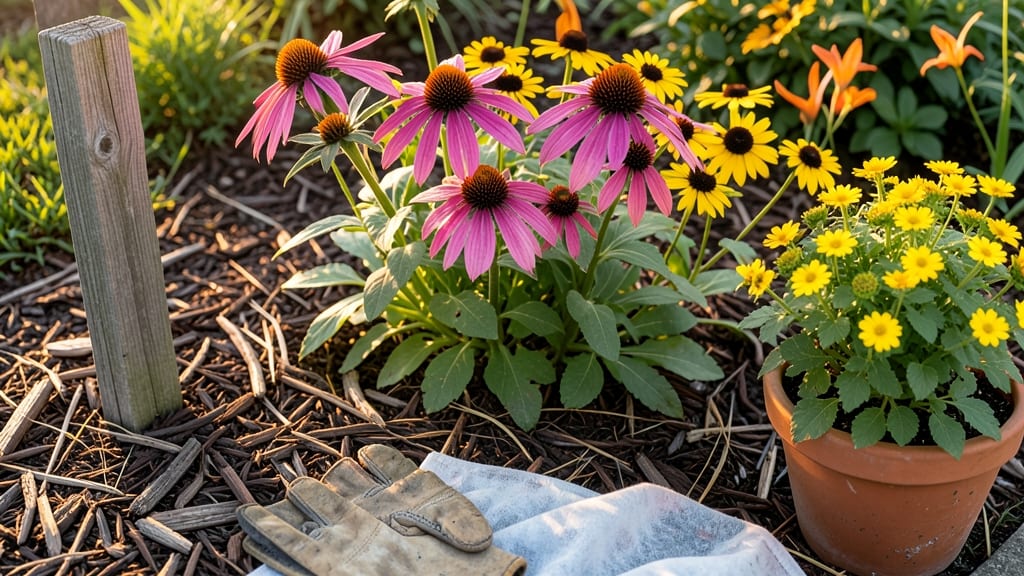
Zone 4 gardening thrives with cold-hardy plants that endure winters down to -30°F, featuring resilient perennials like lavender and coneflowers alongside shrubs such as lilacs. Time cool-season crops like kale for early spring or late summer, while warm-season plants require indoor starts before the last frost (around mid-May).
Gardening in Zone 4 rewards patience and planning with stunning results.
The key is leveraging microclimates—protected spots near walls or under trees can add 1-2 weeks to your growing season, while mulch and snow cover act as natural insulation. 🌱 I’ve seen tomato plants thrive in sheltered beds when started indoors by April 1st, beating the typical frost date.
For perennials, focus on native species like Russian sage or black-eyed Susans, which bounce back reliably after harsh winters.
Seasonal timing separates success from frustration. Cool-loving crops like broccoli handle light frosts and can be sown as soon as soil is workable (usually late April), while peppers need 85°F soil to germinate—hence the indoor head start.
Pro tip: Use row covers to extend harvests into October for greens like spinach.
💡 In This Article
- Understanding Zone 4 Plant Hardiness and Microclimates
- Best Zone 4 Plants for Perennials, Vegetables, and Flowers
Understanding Zone 4 plant hardiness and microclimates
The USDA Zone 4 designation means your garden must handle winters where temperatures plunge to -30°F (-34°C) or lower. This zone's hardiness is determined by the average annual minimum temperature, but what really matters is how plants adapt to rapid temperature swings and soil freezing.
Many Zone 4 plants survive because they enter dormancy early, storing energy in roots and stems. For example, lavender and Russian sage develop woody bases that act like natural insulation, protecting tender growth from extreme cold.
Microclimates are your secret weapon in Zone 4. A south-facing wall can create a 5-10°F warmer microclimate compared to open areas, allowing you to plant tomatoes or peppers 2-3 weeks earlier.
Windbreaks like evergreen hedges or fences reduce drying winds that stress plants, while snow cover provides a 10-15°F insulating blanket during winter. I've seen asparagus crowns emerge through snow in March, proving how protective coverage extends growing seasons.
Mulching with 4-6 inches of straw or wood chips maintains soil temperatures 5-10°F warmer in spring and prevents freeze-thaw cycles that damage roots.
Frost dates are your planting calendar. In Zone 4, the last spring frost typically occurs around May 15th, while the first fall frost arrives by September 20th. However, these dates vary by 1-2 weeks depending on elevation and local topography.
For warm-season crops like cucumbers, start seeds indoors 6-8 weeks before the last frost date to ensure they're large enough to transplant. Cool-season crops like spinach can handle light frosts and should be sown 4-6 weeks before the first expected frost for a fall harvest.
Soil composition plays a crucial role in cold hardiness. Well-draining soil prevents water from freezing and expanding, which can rupture plant roots. Amending clay soils with compost or sand improves drainage, while organic matter increases water retention during dry spells.
Native plants like wild bergamot thrive in Zone 4 because their deep root systems access moisture and nutrients even when surface soil freezes. These roots also store carbohydrates that fuel early spring growth before top growth emerges.
Another key factor is plant placement. Tall perennials like coneflowers benefit from being planted where they receive morning sun and afternoon shade, which prevents soil from overheating in summer while still capturing winter sunlight for warmth.
Grouping plants with similar water needs creates a self-regulating microclimate that maintains consistent moisture levels. For instance, black-eyed Susans and daylilies planted together create a protective canopy that reduces evaporation and protects against late spring frosts.
What most gardeners don't realize is how plant size at planting time affects cold hardiness. Larger, more established plants handle winter better than small seedlings. For example, roses planted in fall (when they're dormant) establish stronger root systems before winter, while spring-planted roses struggle to adapt.
This is why many Zone 4 gardeners follow the rule of planting perennials in fall or early spring—giving roots time to establish before extreme temperatures arrive.
Finally, consider the 3-year rule for perennials: it typically takes this long for plants to fully establish and reach their cold-hardy potential. During these years, focus on building soil health and providing consistent moisture.
Once established, many Zone 4 plants become nearly indestructible, like catmint or bee balm, which return year after year with minimal care. 🌿