
Planting
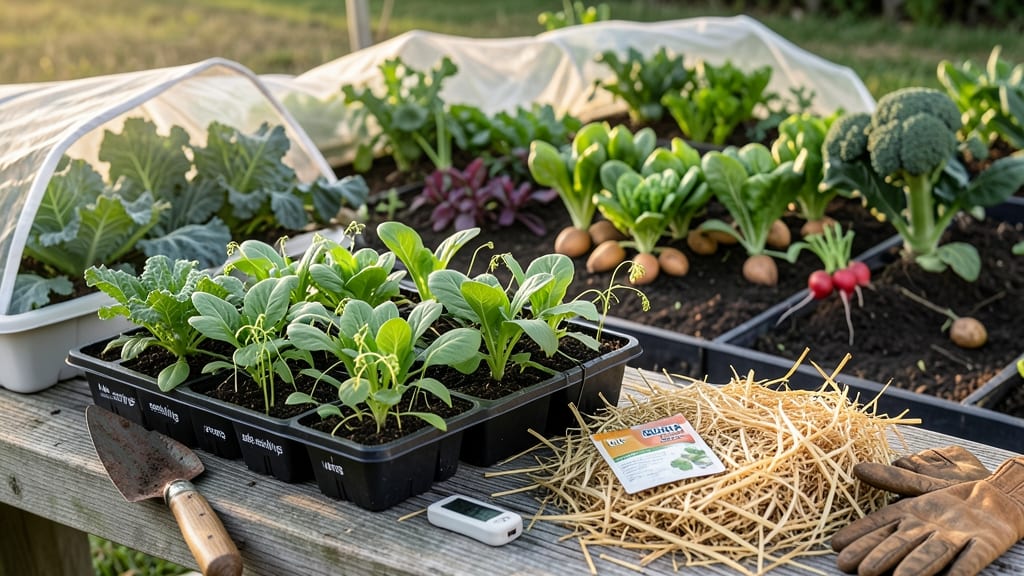
Planting a garden in Minnesota means timing is everything—get the dates right, and you’ll enjoy fresh veggies all season; get them wrong, and frost or heat ruins your hard work.
Minnesota’s short growing season (just 120-160 frost-free days) demands precision. Plant too early, and a late frost wipes out your seedlings. Too late, and summer crops like tomatoes never mature.
But with the right cold-hardy crops and a clear planting schedule, you can stretch your harvest from spring to fall.
This guide breaks down the best times to plant General Garden Plants (Minnesota) 🌱—from peas in early April to tomatoes in late May—plus how to adjust for your zone (3b-5b) and protect your garden from Minnesota’s unpredictable weather.
You’ll learn the exact dates for spring, summer, and fall planting, which crops thrive in your area, and how to extend your season with row covers or succession planting—so you’re never left with empty garden beds.
Minnesota planting timeline: exact dates for cold-hardy crops by last frost
Minnesota’s Zone 4B climate demands precision when planting—your last frost dates can vary by 2-3 weeks between northern and southern regions. In the Twin Cities, the average last frost falls around May 15, while northern areas like Duluth may see frost until June 1.
Planning ahead ensures your cool-season crops thrive before summer heat arrives.
Southern Minnesota gardeners can start warm-season crops like tomatoes and peppers 2-3 weeks earlier than northern growers. Always check local frost forecasts—the University of Minnesota Extension provides updated frost-free date maps tailored to your county. For example, Mankato typically warms up 10 days earlier than International Falls.
| Plant Type | Planting Window | Notes |
|---|---|---|
| Cool-Season Crops (Peas, Lettuce, Spinach) | April 15 - May 1 (Northern MN) April 1 - April 15 (Southern MN) |
Direct sow 4-6 weeks before last frost. Use row covers for late frosts. |
| Warm-Season Crops (Tomatoes, Peppers, Cucumbers) | May 20 - June 1 (Northern MN) May 10 - May 20 (Southern MN) |
Start indoors 6-8 weeks before transplanting. Use black plastic mulch to warm soil. |
| Herbs (Basil, Cilantro, Parsley) | May 1 - May 15 (All Regions) | Basil needs warm soil—wait until night temps stay above 50°F. Cilantro bolts in heat. |
| Fall Crops (Kale, Carrots, Radishes) | August 1 - August 15 | Sow 10-12 weeks before first frost. Radishes mature in 30 days—perfect for late-season harvests. |
| Perennials (Asparagus, Rhubarb, Strawberries) | April 1 - April 30 | Plant crowns when soil reaches 50°F. Asparagus takes 2-3 years to establish. |
For early spring planting, focus on cold-hardy vegetables like peas, spinach, and kale. These can handle light frosts and even snow cover. I start my peas in early April under frost cloth, which gives me a 3-week head start on the growing season.
If you’re in northern Minnesota, wait until May 1 to plant lettuce—earlier sowings often rot in cold, wet soil.
Warm-season crops like tomatoes and peppers need consistent warmth, so I wait until after Memorial Day (around May 25) to transplant seedlings. To extend the season, I use black plastic mulch to raise soil temperatures by 5-10°F.
For southern Minnesota, you can push this to mid-May, but always monitor soil temperatures—they should stay above 55°F for 2 weeks before planting.
Herbs like basil and cilantro have opposite preferences. Basil bolts in cold and needs soil temps above 60°F, while cilantro goes to seed in heat.
I plant basil in late May and cilantro in early September for a fall harvest. Parsley, however, is biennial and handles Minnesota winters—plant it in early spring for a year-round harvest.
Don’t overlook fall planting—it’s a game-changer for extending your harvest. I sow radishes in early August for a September-October crop, and kale and carrots by mid-August to mature before first frost.
Use row covers to protect tender crops like spinach until Thanksgiving. In southern Minnesota, you can even squeeze in a second planting of bush beans in mid-July for a late-summer harvest.
Pro tip: Mark your planting dates on a garden calendar and adjust based on microclimates. A south-facing wall can warm soil by 10°F, letting you plant 2 weeks earlier in that spot.
Similarly, low-lying areas may frost later—keep these in mind when choosing plant locations. For high-value crops like tomatoes, I always have a backup planting date ready in case of late frosts.
Remember, Minnesota’s growing season is short but productive when timed right. By following these <
Best cold-hardy crops for Minnesota’s short season: what to prioritize
Minnesota’s Zone 4B climate demands smart choices—focus on cold-hardy crops that thrive in cool temperatures and short seasons. These high-yield, low-maintenance plants maximize your harvest before frost. Whether you're a beginner or seasoned gardener, prioritizing these frost-resistant varieties ensures success even with late springs or early falls.
From leafy greens that survive light frosts to root vegetables storing well for winter, these crops deliver reliable results. Pair them with succession planting or row covers to stretch your harvest window even further.
Let’s dive into the top 10 cold-hardy crops that will keep your Minnesota garden productive all season long.
Don’t overlook herbs like cilantro and parsley, which also handle Minnesota’s cool climate beautifully. Cilantro bolts in heat but thrives in spring and fall, while parsley grows slowly but reliably.
For extended harvests, use low tunnels or row covers to protect crops like broccoli and cabbage from early frosts.
Succession planting is your secret weapon—sow radishes or lettuce every 2 weeks to ensure a steady supply. This space-saving technique works even in small gardens. Pair it with cold frames for late-season greens like swiss chard, which stays productive until hard frosts.
For maximum yield, prioritize kale, potatoes, and peas as your top 3 crops—they’re highly productive and adaptable to Minnesota’s unpredictable weather. With these cold-hardy champions, you’ll enjoy fresh harvests well into October or even November.