
Tools
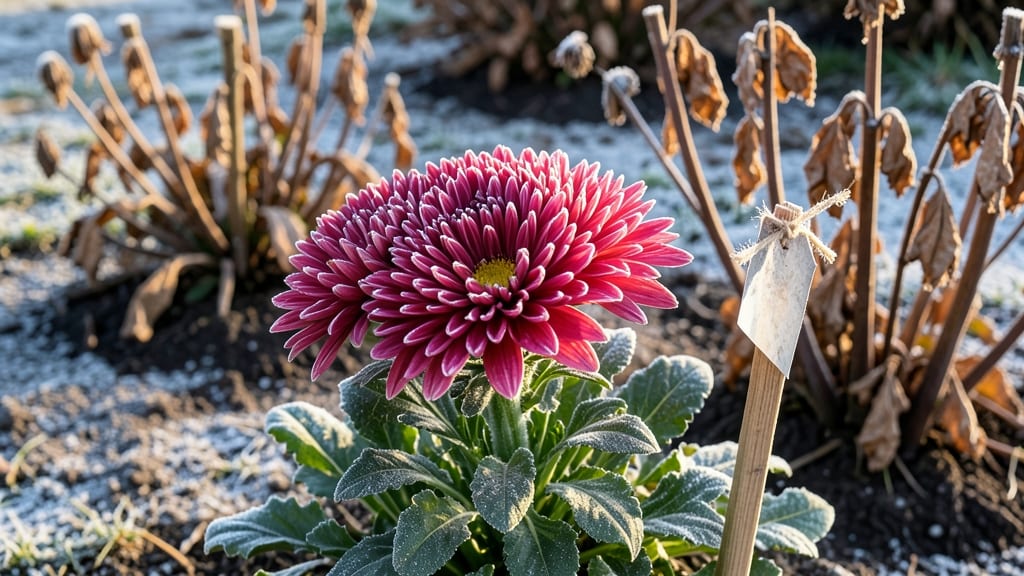
Whether garden mums come back every year depends on their variety and your climate—most are grown as annuals, but hardy perennial types can return if properly cared for in zones 5-9+.
Most garden mums you buy at nurseries are annual varieties that won't survive winter, but some cold-hardy types like 'Hardy Golden Ball' are bred to regrow each spring. 🌱 The key is proper fall preparation: cutting back stems, mulching heavily, and protecting them from harsh freezes.
Even then, their success depends on your specific zone and how well you shelter them during winter months.
For example, in zone 6, I've had perennial mums return for 3-4 years with consistent mulching and light frost protection, while zone 7 gardens often see them thrive with minimal intervention. The difference comes down to how well you mimic their natural growing conditions and protect their roots during dormancy.
If you're in a colder zone (below 5), treat them as annuals or grow them in containers you can move indoors. The good news is that even annual mums produce thousands of seeds, so you can often collect and replant them for next year's blooms.
💡 In This Article
- Perennial vs. Annual Chrysanthemum Varieties Explained
- How to Overwinter Garden Mums for Year-Round Blooms
Perennial vs. annual chrysanthemum varieties explained
Most garden mums sold in nurseries are annual varieties, bred for vibrant blooms but lacking cold hardiness. These tender types, like 'Crimson King' or 'Yellowstone', thrive in warm seasons but succumb to frost, dying back completely each winter.
Their roots don't survive below 20°F, which is why they're treated as annuals in zones 3-5. In contrast, hardy perennial mums (such as 'Hardy Golden Ball' or 'Dakota Gold') have been selectively bred to withstand temperatures down to -20°F to -30°F, making them true perennials in zones 5-9+.
The difference lies in their genetic makeup. Annual mums focus on rapid flowering and vibrant colors, while perennial varieties develop deeper root systems and thicker stems that store energy for regrowth. For example, 'Dakota Gold' can reach 2-3 feet tall with sturdy stems that bend but don't snap under snow.
These hardy types also have a longer bloom window, often flowering from late summer through frost, compared to annuals that typically bloom for just 6-8 weeks before dying back.
Climate plays a crucial role in their survival. In zone 6, I've seen perennial mums return reliably when protected with 6-8 inches of mulch, while in zone 7, they often regrow without extra care. The key factor is how well the roots can remain dormant yet protected during winter.
Annual mums, meanwhile, prioritize quick growth and showy blooms over winter survival, which is why they're the default choice in most garden centers. Their bright colors make them irresistible, but their lack of hardiness means they'll need replacing each spring.
Here's what to look for when choosing varieties:
- Perennial types: Check labels for 'hardy' or 'cold-resistant' markings. Examples include 'Dakota Gold', 'Hardy Golden Ball', and 'Mound City Mum'. These typically cost 20-50% more than annuals but pay off with years of blooms.
- Annual types: Look for varieties labeled 'tender' or 'warm-season'. These include 'Crimson King', 'Yellowstone', and 'Bright Golden Anne'. They're perfect for short-season gardens but won't survive winter.
- Hybrid varieties: Some newer hybrids (like 'Sahin's Early Wonder') bridge the gap, offering moderate cold tolerance while still producing abundant blooms.
The science behind their hardiness involves antifreeze proteins that prevent ice crystal formation in their cells, similar to how some trees survive winter. Perennial mums also develop a thicker cuticle layer on their stems, which provides additional protection against freeze damage.
This biological adaptation is what allows them to push through the soil each spring, while annuals simply don't have these survival mechanisms.
What most gardeners don't realize is that even annual mums can sometimes return if they produce seeds that germinate naturally. I've seen 'Yellowstone' mums self-seed in protected microclimates, creating new plants the following year.
However, these seedlings won't have the same vigor or consistent blooming as true perennial varieties, which have been bred specifically for cold resilience.