
Plants
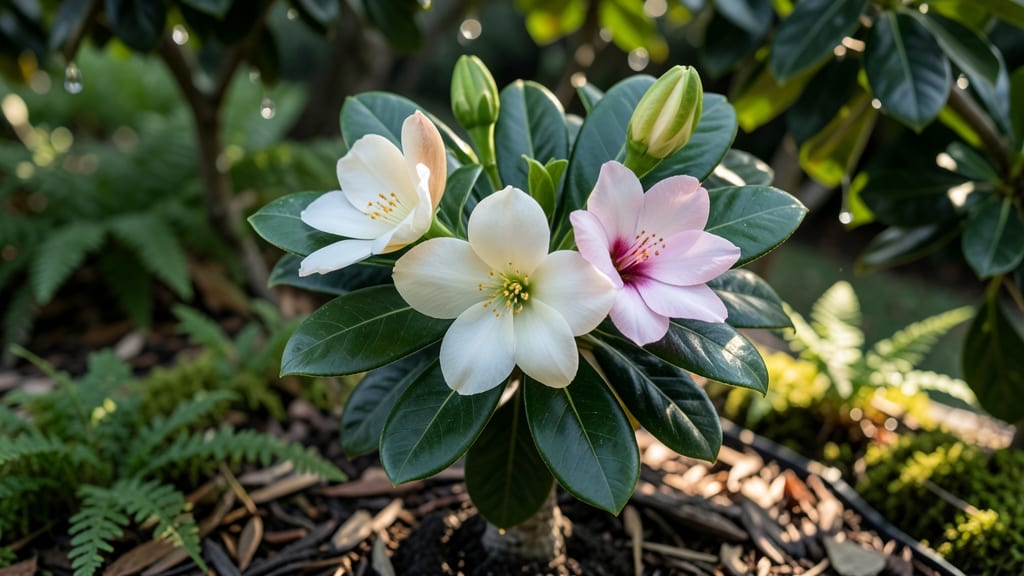
Gardenias do come in different colors beyond classic white, including rare varieties like blush pink, pale yellow, and deep cream, though pure white remains the most common and sought-after shade in cultivation.
While white gardenias dominate nurseries, nature and selective breeding have produced stunning alternatives. 🌸 The blush pink 'Kleim's Hardy' and golden 'Radicans' varieties showcase how pigmentation shifts through genetic crossbreeding, though these require precise growing conditions to maintain their hues.
Many gardeners overlook these rarer options because they demand more care—think consistent moisture and partial shade—but the payoff is flowers that stand out in any bouquet or landscape.
Color variations often depend on soil pH and sunlight exposure, with acidic soil and filtered light encouraging deeper tones. For example, 'Mystery' gardenias develop a soft peach tint when grown in well-draining, slightly acidic soil, while 'Veitchii' can shift from pale yellow to creamy white depending on seasonal light.
The key to growing these less common varieties lies in patience and attention to detail, as their vibrant colors fade under harsh conditions or improper care.
💡 In This Article
- Natural Color Variations in Gardenia Flowers
- Rarest Gardenia Varieties by Color and Where to Find Them
Natural color variations in gardenia flowers
The stunning diversity in gardenia hues stems from complex pigmentation science rooted in anthocyanins and carotenoids. While white gardenias produce no visible pigments (their petals reflect all light wavelengths), colored varieties develop through selective breeding that introduces these compounds.
For instance, blush pink 'Kleim's Hardy' contains anthocyanin pigments that react with pH levels in the plant's sap, creating its signature soft hue. 🌸 The deeper the pink, the more acidic the cellular environment must be during flower development.
Environmental factors play a crucial role in color expression. Sunlight intensity directly impacts pigment production—too much direct sun can bleach anthocyanins, while filtered light preserves their vibrancy. Soil pH between 5.5-6.5 (slightly acidic) enhances color development, as gardenias absorb more iron and manganese, which act as cofactors for pigment synthesis.
For example, 'Mystery' gardenias grown in alkaline soil (pH 7+) may produce paler blooms, while the same variety in acidic conditions develops richer peach tones.
Breeding techniques have expanded color possibilities through targeted cross-pollination. Hybridizers like Dr. John Fairey created 'Radicans' by introducing yellow carotenoid pigments from related species, though these require 18-24 months of careful cultivation to stabilize.
The challenge lies in maintaining color consistency—many colored varieties revert to white if not grown under precise conditions. 🌿 This explains why rare colors often appear in specialized nurseries rather than big-box stores.
Temperature also affects color development. Gardenias need consistent warmth (65-75°F) to metabolize pigments properly. Below 60°F, anthocyanin production slows, resulting in washed-out blooms. This is why tropical gardenias often display more vibrant colors than their temperate counterparts.
The interplay between genetics, environment, and climate creates the spectrum of gardenia colors we see today.
Color stability varies by variety. 'Kleim's Hardy' maintains its pink hue reliably when given 4-6 hours of morning sun daily, while 'Veitchii' may shift between yellow and cream depending on seasonal light exposure. Understanding these nuances helps gardeners select varieties that match their growing conditions and desired aesthetic outcomes.
For those curious about experimenting with color, starting with established cultivars like 'Radicans' (yellow) or 'Kleim's Hardy' (pink) provides the best foundation. These varieties are more forgiving than experimental hybrids while still offering dramatic color contrasts to the classic white gardenia. 🌺