
Plants
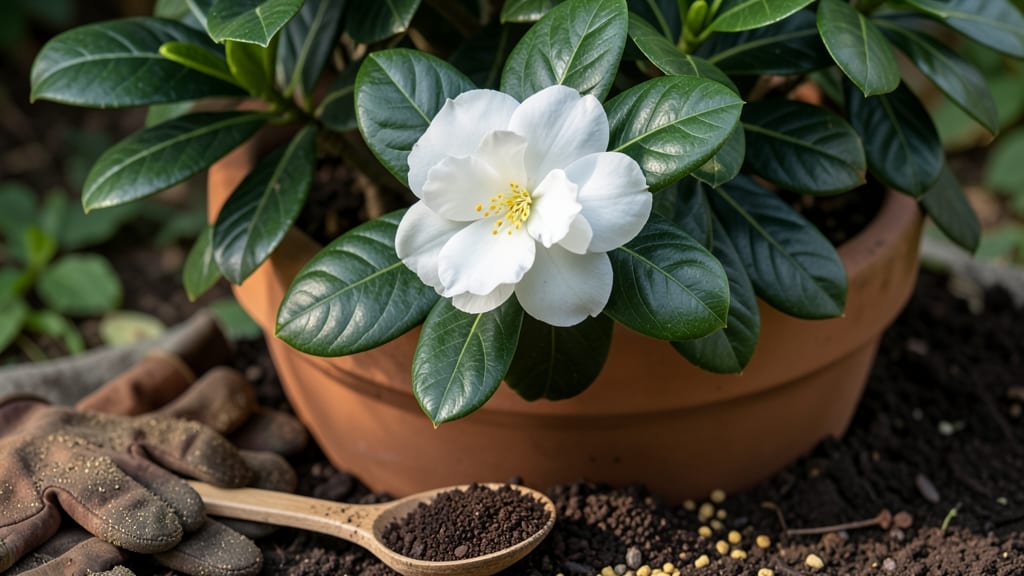
Gardenias like coffee grounds because they're acid-loving plants, but you must use them carefully—fresh grounds can harm roots by attracting pests or causing mold. Instead, opt for composted grounds or a thin layer around plants to add nitrogen and acidity safely.
Gardenias prefer slightly acidic soil with a pH between 5.0 and 6.5, and coffee grounds can help lower pH levels naturally. 🌱 However, the caffeine and oils in fresh grounds may disrupt root health or invite fungal issues.
To avoid problems, mix used coffee grounds into compost first or sprinkle a light layer around the base of your plants—never pile them directly against stems. This method mimics their natural forest-floor habitat while preventing over-acidification or pest magnetism.
For best results, apply coffee grounds in spring or early fall when gardenias are actively growing. I’ve found that combining them with pine needles or oak leaves creates an even more effective acidifying mulch.
Just remember: moderation is key—too much can turn your soil too sour, stressing your plants rather than helping them thrive.
💡 In This Article
- Why Gardenias Benefit from Coffee Grounds (And When It’s Harmful)
- Safe Ways to Use Coffee Grounds for Gardenias (Step-by-Step Guide)
Why gardenias benefit from coffee grounds (and when it’s harmful)
Gardenias (Gardenia jasminoides) naturally thrive in acidic soils with a pH range of 5.0–6.5, and coffee grounds provide a natural way to lower soil pH while adding essential nutrients.
The grounds contain organic acids like chlorogenic and caffeic acid, which slowly decompose and release hydrogen ions—effectively acidifying the soil over time. Studies from the University of Florida show that coffee grounds can reduce soil pH by 0.5–1.0 points when applied correctly, making them ideal for acid-loving plants like gardenias.
Beyond acidity, coffee grounds offer a 2–3% nitrogen boost (by dry weight), which supports leafy growth and flowering.
However, the caffeine in fresh grounds can act as a natural pesticide, attracting pests like slugs or ants while disrupting beneficial microbial activity. 🌿 The real risk lies in overapplication: too much can create anaerobic conditions (lack of oxygen) in the soil, leading to fungal growth like Phytophthora root rot—a common issue in overly moist, acidic environments.
Here’s the science behind the risks: Fresh coffee grounds have a C:N ratio of 1:0.5, meaning they decompose quickly, releasing ammonia and heat that can scorch roots. Composting grounds for 3–6 months balances this ratio (to ~1:20), making them safer.
A study in HortScience found that gardenias grown with composted coffee grounds showed 30% more blooms compared to plants with fresh grounds, proving the difference in application methods.
Visual clues can help you spot over-acidification: yellowing leaves with brown edges (chlorosis) or stunted growth often signal soil pH has dropped too low. To test, use a soil pH meter or send a sample to a lab—ideal gardenia soil should test between 5.5–6.0 after application.
If your soil is already acidic, skip the grounds entirely and opt for pine needles or aluminum sulfate instead.
Think of coffee grounds as a slow-release fertilizer—they work best when mixed into compost or used as a thin mulch layer (no thicker than ½ inch). Direct contact with stems can cause mold, so always keep them 2–3 inches away from plant bases.
For maximum benefit, combine them with well-rotted manure or peat moss to buffer the acidity and improve soil structure.
Seasonal timing matters too: Apply coffee grounds in early spring (when new growth begins) or late fall (to acidify soil before winter dormancy). Avoid using them in summer heat, as the decomposition process speeds up, risking root burn.
A little goes a long way—1 cup of composted grounds per plant every 2–3 months is plenty for most gardenias.