
Companion Plants
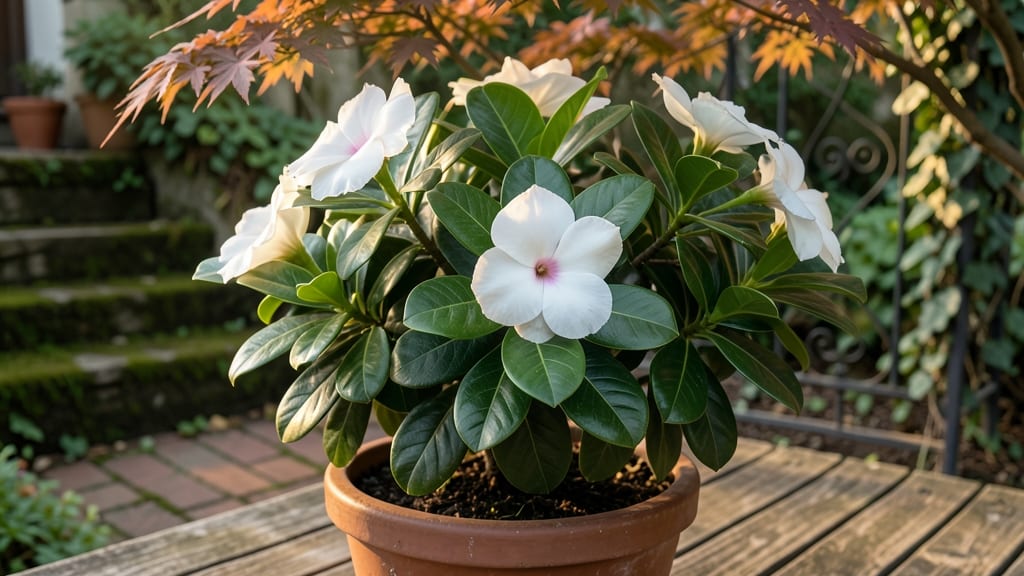
Gardenias smell good to most people, creating a luxurious floral aroma that blends creamy sweetness with subtle vanilla and citrus undertones—but their intensity can feel overwhelming in enclosed spaces.
This intoxicating fragrance comes from complex chemical compounds like jasmone and linalool, which are naturally produced by the flowers. 🌸 What makes gardenias unique is how their scent evolves—starting delicate in the morning but deepening into a richer, almost creamy perfume as the day progresses.
However, some people find the aroma too heavy, especially in small rooms or when multiple plants are grouped together. The key to enjoying their fragrance lies in placement: gardeners often recommend planting them near seating areas or walkways where the breeze can carry the scent naturally without trapping it.
Interestingly, gardenias also release their fragrance most strongly in warm, humid conditions, which explains why they often smell best in late summer or early fall. If you're growing them indoors, misting the leaves regularly can help simulate these ideal conditions.
The trade-off? Their scent tends to fade in cooler weather, so if you love that gardenia perfume, timing your planting and care around their natural blooming cycles will give you the best results.
💡 In This Article
- The Science Behind Gardenia Fragrance
- How to Maximize Gardenia Scent in Your Garden
The science behind gardenia fragrance
Gardenias produce their signature aroma through a fascinating chemical process involving over 40 volatile compounds, with jasmone and linalool being the primary scent drivers. These compounds are synthesized in specialized cells within the flower petals through a metabolic pathway that converts fatty acids into aromatic molecules.
The jasmone compound, in particular, creates that creamy, almost buttery base note that gardenias are famous for, while linalool contributes the floral sweetness. 🌸 What's remarkable is how these compounds are released in a diurnal pattern—concentrations peak during late afternoon, which explains why gardenias often smell strongest in the evening hours.
The intensity of gardenia fragrance is also heavily influenced by genetics. Some cultivars, like the 'Radicans' variety, are bred specifically for their potent scent, while others like 'Kleim's Hardy' produce a more subtle aroma.
The difference lies in the density of scent-producing cells in the petals—high-scent varieties can have up to 30% more aromatic glands than low-scent types.
Environmental factors play an equally crucial role: gardenias release 2-3 times more fragrance in temperatures between 75-85°F with humidity levels above 60%, which is why they often smell strongest in tropical or subtropical climates.
Here's what happens chemically when you smell a gardenia: the volatile compounds evaporate into the air and bind to olfactory receptors in your nose, particularly those sensitive to floral and sweet notes.
The brain then processes these signals through the limbic system, which is why gardenia scents are often associated with feelings of relaxation and nostalgia. 💫 Interestingly, the same compounds that make gardenias so appealing to humans can actually repel certain insects—like aphids—while attracting pollinators like bees and moths that are drawn to their sweet, heavy fragrance.
The creamy quality of gardenia scent comes from the presence of benzyl acetate and phenethyl alcohol, which create that luxurious, almost perfumey quality. These compounds are also found in many commercial fragrances, which is why gardenia-scented products often aim to replicate this exact chemical profile.
The citrus notes in gardenia aroma actually come from trace amounts of limonene and citronellol, which are byproducts of the same metabolic pathways that produce the primary scent compounds.
This chemical complexity is why gardenia fragrance can be so polarizing—some people love the layered sweetness, while others find the combination of floral and creamy notes overwhelming.
What most people don't realize is how gardenias actually "engineer" their scent release. The flowers have specialized structures called osmophores on their petal surfaces that concentrate and release the aromatic compounds.
These structures are most active during the day when temperatures are warmest, which is why you'll rarely get that full gardenia experience in cool morning air.
The scent molecules are also relatively large, which means they don't disperse as quickly as lighter floral scents—this is why gardenia fragrance tends to linger in the air for hours after the flowers have been picked. 🌿
For those who find gardenia scent cloying, the issue often comes down to concentration. In open garden spaces, the fragrance disperses naturally, but when gardenias are grown in containers or small gardens, the scent can become concentrated enough to feel heavy.
This is why professional perfumers often use gardenia extracts sparingly—just 2-5% of the total fragrance blend—to create that signature luxurious note without overpowering other elements.