
Light Requirements
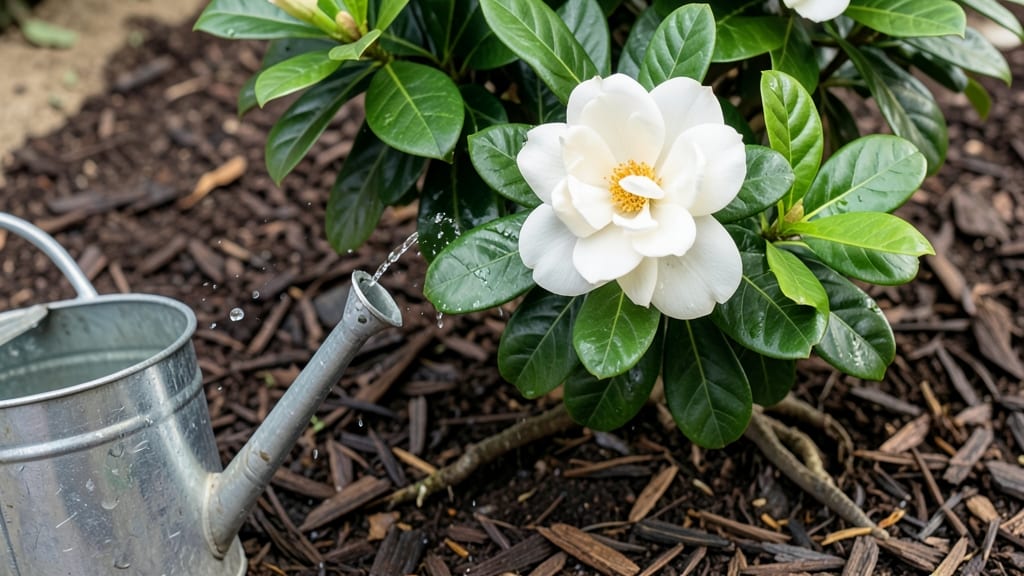
Gardenias need consistent moisture to thrive, but the idea that they demand a lot of water is a common misconception that can actually harm them.
Picture this: your 🌸 gardenia is wilting despite daily watering, or its leaves turn yellow and drop even when the soil feels damp. These are classic signs of overwatering—not thirst.
The key is keeping the soil evenly moist, not soggy, which is why many gardeners in Zone 6 default settings struggle to strike the right balance.
What you’ll learn here is how to water gardenias the right way—when to adjust for summer heat or winter dormancy, how to test soil moisture without guesswork, and the subtle signs that tell you it’s time to water (or hold off).
With these science-backed tips, you’ll avoid the two biggest watering mistakes that stifle blooms and keep your gardenia lush, fragrant, and full of flowers.


How much water do gardenias really need (and when to adjust)
Gardenias thrive with consistent moisture but despise soggy roots—a delicate balance most gardeners miss. Unlike drought-tolerant succulents, these tropical shrubs need 1-2 deep waterings weekly, adjusted by season and climate. The key? Keeping the top 2-3 inches of soil evenly moist without waterlogging.
Think of gardenias like a thirsty tea lover: they crave hydration but wilt if overindulged. In summer heat, you might water every 2-3 days, while winter slows their needs to bi-weekly waterings. The secret lies in monitoring soil moisture and adjusting before stress signs appear.
🌱 Did You Know? Gardenias are native to tropical Asia, where humidity hovers near 80%. Mimic this with morning waterings (before 10 AM) to reduce evaporation and fungal risks. Night watering? A recipe for disaster.
| Season | Watering Frequency | Soil Moisture Goal | Signs of Stress |
|---|---|---|---|
| Spring | Every 3-4 days | Top 2" moist | Wilting leaves, bud drop |
| Summer | Every 2-3 days | Top 2-3" moist | Yellowing leaves, root rot risk |
| Fall | Every 5-7 days | Top 1-2" moist | Slow growth, leaf curl |
| Winter | Every 10-14 days | Top 1" slightly dry | Dry, crispy leaf edges |
💧 Pro Tip: Use a moisture meter or stick your finger 2" deep—if dry, water deeply.
To test soil moisture like a pro, use the "finger test": stick your index finger 2 inches into the soil. If it feels dry, it's time to water.
For container gardenias, check daily in summer—they dry out faster than in-ground plants. Pro move? Use a self-watering pot with drainage holes to maintain consistency.
Overwatering is the #1 killer of gardenias, causing root rot and yellowing leaves. If your plant's leaves turn yellow and feel mushy, you're likely drowning it. Underwatering? Leaves will curl inward and buds may drop before opening. Both extremes stress the plant, reducing those fragrant blooms you love.
Seasonal adjustments are critical. In summer's heat, increase frequency to every 2-3 days but water deeply—aim for 1-2 gallons per mature plant. In winter dormancy, reduce to bi-weekly waterings unless you're in a frost-free zone.
Humidity matters too: in dry climates, mulch with pine bark to retain moisture; in humid areas, ensure proper drainage to prevent fungal issues.
Mulching isn't just for looks—it's a water conservation hack. Apply 2-3 inches of organic mulch (like pine straw) around your gardenia's base to lock in moisture and regulate soil temperature.
Just keep mulch 2 inches away from the trunk to prevent rot. Pair this with drip irrigation for precision watering that delivers moisture straight to the roots.
For potted gardenias, size matters. A 1-gallon pot may need watering every 1-2 days in summer, while a 5-gallon container can stretch to every 4-5 days.
Always water until excess drains from the bottom, then empty the saucer to avoid root suffocation. 🪴 Container Tip: Group pots together to create a microclimate that retains humidity.
Watch for these early warning signs of watering woes: drooping leaves (underwatered), yellowing leaves (overwatered), or buds falling off (stress from either extreme). Act fast—gardenias bounce back quickly when you correct the issue. A light trim of affected leaves can also help the plant redirect energy to recovery.
Remember, gardenias aren't high-maintenance—they're high-reward when you nail their watering routine. With consistent moisture, proper drainage, and seasonal adjustments, you'll enjoy those glossy leaves and intoxicating blooms all season long. Now go check that soil—your gardenia's thirst might surprise you! 🌸
5 Common watering mistakes that kill gardenias (and how to fix them)
Gardenias thrive on consistent moisture, but even well-intentioned gardeners often overcorrect—leading to root rot or drought stress. The key lies in balancing hydration without drowning their delicate roots.
I’ve seen gardenias wilt from overwatering just as quickly as from neglect, so let’s diagnose the most critical mistakes and fix them.
First, many gardeners assume gardenias need daily watering during summer, but this is rarely true. Their root systems prefer deep, infrequent soaking rather than shallow, frequent drinks. A quick soil check with your finger—1-2 inches deep—will tell you if it’s time to water.
If it’s dry, water thoroughly; if damp, wait another day.
Gardenias in containers or heavy clay soil are most at risk. Overwatering suffocates roots, causing yellow leaves and stunted growth. Always check for drainage holes and avoid watering until the top 1-2 inches of soil feel dry.
Another mistake? Inconsistent watering schedules. Gardenias despise fluctuations—think of them like a diva’s routine. If you water deeply one day and skip the next, their roots struggle to adapt.
Stick to a 2-3 day schedule in summer and extend to weekly in winter. Use a drip irrigation system or soaker hose for steady moisture.
Many gardeners also ignore the mulch layer, which is crucial for moisture retention. A 2-3 inch layer of organic mulch (like pine bark or shredded leaves) keeps soil cool and locks in hydration.
Without it, gardenias dry out faster, especially in hot, windy climates. Replenish mulch annually to maintain its effectiveness.
If your gardenia’s leaves are drooping or curling, it’s often a sign of underwatering. But before reaching for the hose, check the root zone. Gently scratch the soil surface—if roots look shriveled or brown, they’re thirsty.
For revival, soak the soil until water drains from the bottom, then reduce frequency to prevent shock.
Finally, avoid watering at night or late afternoon. Wet foliage invites fungal diseases like powdery mildew. Always water in the early morning so leaves dry quickly.
Pair this with pruning dead blooms to redirect energy to root health. With these fixes, your gardenia will reward you with lush blooms and vibrant growth.