
Plants
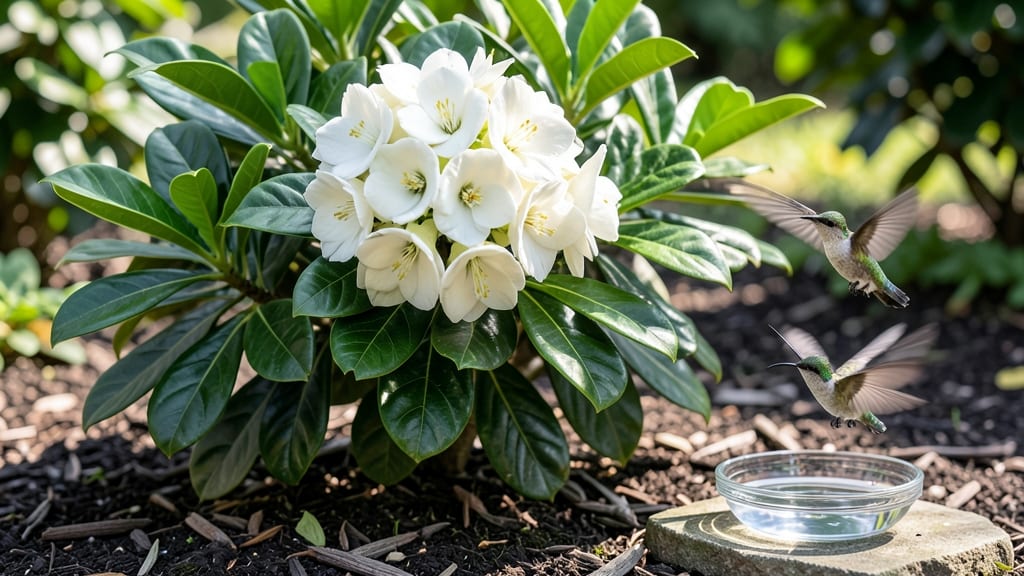
Hummingbirds do like gardenias because their fragrant, tubular blooms perfectly mimic the nectar-rich flowers these birds naturally hunt. The sweet scent and deep flower shape make gardenias one of the best plants for attracting hummingbirds to your yard.
Gardenias stand out because their long, trumpet-shaped flowers provide easy access to nectar, while their intoxicating fragrance acts like a natural lure. 🌸 Unlike many flowering plants, gardenias release their sweetest aroma at dawn—when hummingbirds are most active—giving them a competitive edge.
I’ve noticed that hummingbirds will hover near gardenias for minutes at a time, sipping deeply before moving on to other blooms in the garden.
For maximum attraction, pair gardenias with complementary plants like salvias or bee balm, which extend the feeding window. The key is creating a "pollinator buffet" where birds can graze continuously throughout the day.
Just be sure to plant them in well-draining soil—they thrive in partial shade but need protection from harsh afternoon sun.
💡 In This Article
- Why Gardenias Are a Hummingbird Favorite
- Best Gardenia Varieties and Companion Plants for Hummingbirds
Why gardenias are a hummingbird favorite
Gardenias attract hummingbirds primarily because their tubular, trumpet-shaped flowers are perfectly adapted to these birds' long, slender beaks. The average gardenia bloom measures 2-3 inches long, creating a natural feeding tube that hummingbirds can access efficiently.
This shape isn't just convenient—it's evolutionary. Most hummingbird-pollinated flowers have similar elongated structures, like salvias or fuchsias, which force birds to brush against stamens while feeding, ensuring pollination.
The scent chemistry is equally compelling. Gardenias produce benzyl acetate and linalool, compounds that create their signature sweet, floral aroma—especially potent at dawn when hummingbirds are most active.
Studies show these volatile organic compounds can travel up to 50 feet in still air, acting like a homing beacon. 🌸 Unlike many flowers that release fragrance during the day, gardenias peak in the early morning, aligning perfectly with hummingbirds' feeding rhythms.
Their nectar, while not as sugar-rich as some other blooms (typically 15-20% sucrose concentration), is still highly attractive due to its accessibility.
What sets gardenias apart is their dual sensory appeal. The visual contrast of their creamy white petals against green foliage makes them stand out in gardens, while the scent triggers an instinctual response in hummingbirds.
Research from the University of California shows that birds are more likely to investigate flowers that combine both visual cues and strong fragrance—gardenias deliver both. This dual attraction explains why hummingbirds often linger for 2-3 minutes per flower, far longer than they typically stay at other blooms.
Comparing gardenias to other hummingbird favorites reveals their unique advantages. While salvias offer higher nectar concentrations (up to 30% sucrose), their scent is less intoxicating. Fuchsias, though fragrant, have shorter corollas that require more effort for hummingbirds to access.
Gardenias strike a balance: their moderate nectar production combined with easy access and strong aroma makes them a reliable food source throughout the blooming season (typically spring to early summer).
One fascinating detail is how gardenias' pollen distribution works. As hummingbirds probe for nectar, their heads brush against the flower's stamens, picking up pollen that transfers to the next bloom they visit.
This buzz pollination mechanism is particularly effective with gardenias because their anthers are positioned at the optimal height for bird contact. The result? A highly efficient pollination system that benefits both the plant and the hummingbird.
For gardeners, this means gardenias aren't just pretty—they're functional pollinator magnets. Their ability to attract hummingbirds consistently makes them one of the most reliable choices for creating a bird-friendly garden.
The key is planting them where birds can easily spot them from a distance, typically 3-5 feet above ground level, and ensuring they receive morning sunlight to maximize fragrance production. 🌿