
Tools
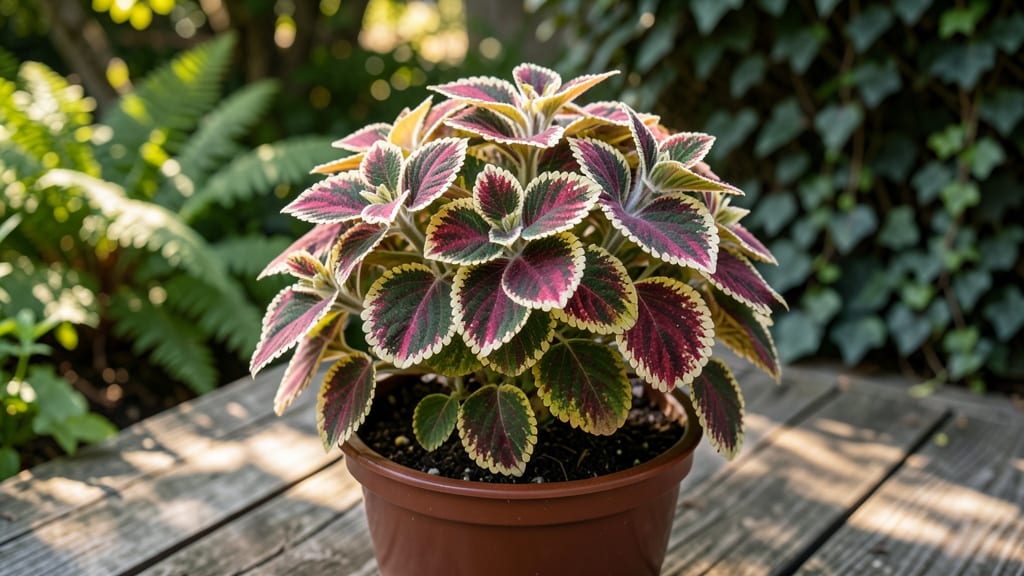
Transforming your garden with enchanted garden colors starts with the right palette—one that feels like stepping into a fairy tale 🌸.
Picture this: soft lavender borders that glow at dusk, sunlit roses in blush and gold, and twilight blooms that shimmer under moonlight. These aren’t just colors; they’re moods waiting to unfold with every season.
The magic lies in how hues shift with the light, how textures deepen the illusion, and how even a single plant can turn an ordinary space into a dreamy escape.
But here’s the secret: it’s not about picking the brightest blooms. The most enchanting gardens layer colors like a painter’s brushstrokes—cool blues to calm the mind, fiery oranges to invite warmth, and deep purples to add mystery.
And the best part? You don’t need a sprawling estate. Even a small balcony or a corner bed can become a portal to another world with the right choices.
In this guide, you’ll discover seasonal color schemes that harmonize with nature’s rhythms, plus the plants and design tricks to make your garden feel alive—whether you’re basking in summer’s golden hour or wrapped in winter’s quiet silver glow.
Seasonal enchanted garden color palettes for every month
Transforming your garden into a year-round masterpiece starts with understanding how seasonal color palettes can create enchantment. Each season offers unique opportunities to layer vibrant hues and soft tones that harmonize with nature’s cycles.
Whether you’re dreaming of spring’s pastel whispers or autumn’s fiery embrace, intentional color choices can elevate your outdoor space into a magical retreat.
I’ve curated month-by-month palettes that align with nature’s progression, ensuring your garden remains a visual delight throughout the year. These schemes aren’t just about aesthetics—they’re designed to attract pollinators, enhance moods, and celebrate seasonal transitions seamlessly.
Let’s dive into how to layer colors for depth and harmony while keeping your garden feeling alive in every season.
For spring, I love starting with pastel pinks and lavenders to evoke a sense of renewal. Pair these with mint green foliage and butter yellow blooms to create a dreamy, ethereal effect.
Plants like tulips and bleeding heart thrive in this palette, while their delicate petals attract early-season pollinators like butterflies.
As summer arrives, shift to bold, sun-drenched hues like coral and magenta. These colors create a vibrant energy that’s perfect for outdoor entertaining. Sunflowers and dahlias become the stars here, while hydrangeas add lush green foliage for contrast. Don’t forget to incorporate golden accents with ornamental grasses for texture.
Autumn calls for rich, warm tones that celebrate the season’s natural palette. Burnt orange and deep red create a cozy atmosphere, while mustard yellow adds a pop of cheerfulness. Chrysanthemums and sedum are excellent choices, and their long-lasting blooms ensure color well into late fall.
Winter gardens might seem limited, but cool blues and silvers can create a magical, icy elegance. Hellebores and snowdrops bloom early in the season, offering delicate color against bare branches. Add evergreen shrubs like holly for structure, and your winter garden will feel like a serene sanctuary.
To create harmony between seasons, I recommend layering perennials and annuals. For example, plant lavender in spring for its soft purple blooms, but leave it in place through summer and autumn—its silvery foliage will complement warm tones beautifully. Similarly, ornamental grasses add movement and texture year-round.
Lighting plays a crucial role in enhancing your enchanted garden colors, especially during shorter winter days. String fairy lights or install solar-powered lanterns to cast a soft glow on foliage and flowers. This not only extends the usability of your garden but also creates a magical ambiance after sunset.
Remember, the key to a cohesive seasonal color palette is balance. Use the 60-30-10 rule: 60% dominant colors, 30% secondary hues, and 10% accent shades. This approach ensures your garden feels intentional and harmonious, no matter the season.
Start small—perhaps with one bed or container—and expand as you experiment with different combinations.
Your garden can be a living tapestry of color that changes with the seasons. By thoughtfully selecting plants and layering hues, you’ll create a space that feels like a magical escape year-round. Happy planting! 🌸
How to use color psychology in your enchanted garden design
Colors in your garden do more than catch the eye—they shape your emotions and transform spaces into magical realms. Soft blues whisper tranquility, vibrant purples invite mystery, and warm yellows spark joy. These hues don’t just decorate; they create experiences.
For instance, a lavender border can turn a stress-filled afternoon into a serene retreat, while crimson roses add drama for romantic evenings. The key is balancing these colors strategically to evoke the mood you desire.
Start by identifying the primary emotion you want your garden to evoke. A calming retreat? Pair sky-blue delphiniums with silver foliage. Crave energy? Sunflowers and orange marigolds will energize the space. For whimsy, mix pastel pinks with deep magentas—like a fairy’s palette.
Each color triggers a response, so choose plants that align with your vision. Even foliage colors play a role; purple-leafed plants add depth without overwhelming.
Lighting amplifies color magic, especially in evening gardens. String lights cast a warm glow on white roses, making them appear ethereal, while solar-powered spotlights highlight deep reds for a moody, cinematic effect.
Test your palette at different times of day—morning sunlight brings out vibrant yellows, while twilight hues deepen blues and purples. This dynamic shift keeps your garden feeling alive and ever-changing.
Enchanted Garden Colors: Pros & Cons
Pros: Calming, attracts pollinators, works well in shade
Cons: Can feel cold in excess; pairs best with warm accents
Pros: Mystical, draws hummingbirds, versatile for borders
Cons: Some varieties fade in full sun; may clash with bright greens
Pros: Energizing, sun-loving, cheerful
Cons: Can feel overwhelming; best in moderation
Pros: Dramatic, attracts butterflies, great for evening gardens
Cons: May require more maintenance; can look harsh in small spaces
Don’t underestimate the power of textural contrast. Pair smooth petals like peony blooms with spiky foliage such as ferns or ornamental grasses to add dimension. This interplay creates visual interest and makes colors pop.
For example, velvety black dahlias against silver-blue foliage feel like a painter’s masterpiece. Even mulch colors matter—dark brown grounds bright flowers, while light gray gravel makes pastels stand out.
Seasonal transitions are where color psychology truly shines. Swap spring’s pastels for summer’s fiery hues, then transition to autumn’s golds and oranges. Use perennials with long bloom times to bridge seasons seamlessly.
For instance, coneflowers bloom from summer to fall, while heather adds winter interest with its soft purples. This continuity keeps your garden feeling magical year-round without constant replanting.
Finally, trust your instincts. The most enchanting gardens often break “rules” by mixing unexpected colors—like electric blue salvias with chartreuse foliage. Experiment with unusual pairings and observe how they make you feel.
Maybe a moonlit garden needs silver and white, or a whimsical corner thrives with hot pinks and mint greens. The best color schemes are the ones that resonate with you—because magic starts with joy.