
Tools
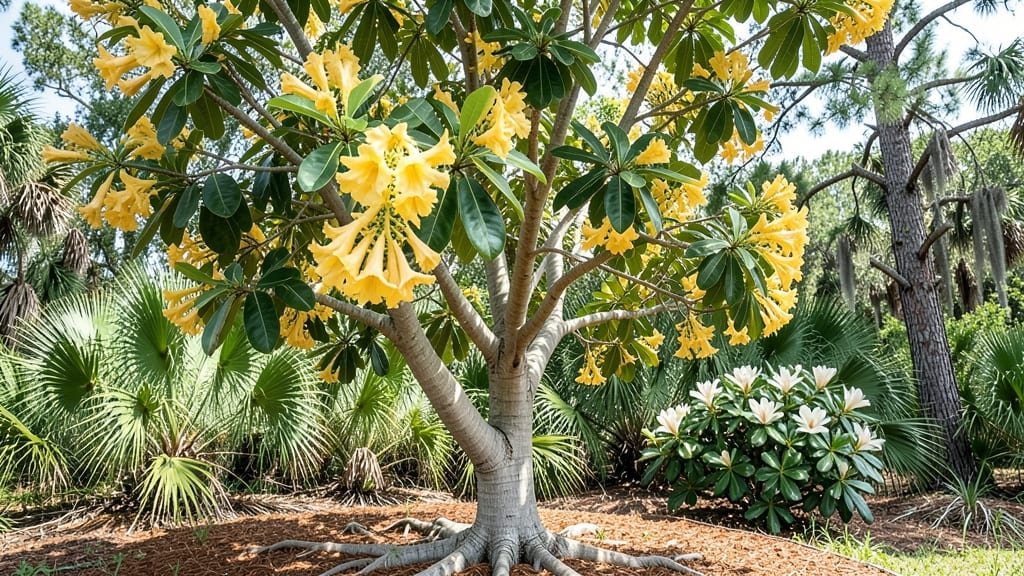
Florida botanical gardens offer immersive experiences with native plants, orchids, and towering palms across stunning landscapes like Fairchild Tropical Botanic Garden and Marie Selby Botanical Gardens, where conservation meets breathtaking beauty for nature lovers.
These gardens aren't just green spaces—they're living classrooms showcasing Florida's ecological diversity. 🌿 At Fairchild, for example, you'll find rare bromeliads and cycads thriving alongside rescued orchids, all while supporting vital research programs.
The Marie Selby Gardens in Sarasota offers a magical canopy walkway through a cloud forest, where epiphytes cling to ancient trees in a way you won't see anywhere else.
What makes these places special is how they balance education with pure wonder, making complex conservation efforts feel accessible to visitors of all ages.
Each garden has its own personality—whether it's the tropical vibrancy of Fairchild or the delicate orchid collections at Selby. The best part? You don't need to be a botanist to appreciate them.
Many gardens offer family-friendly tours that make complex plant relationships fun to explore, from how pitcher plants trap insects to why Florida's native palms are so uniquely adapted to our climate. These are places where every season reveals something new, from spring wildflower displays to fall butterfly migrations.
💡 In This Article
- Florida’s Native Plants and Ecosystems in Botanical Gardens
- Best Times and Tips for Visiting Florida Botanical Gardens
Florida’s native plants and ecosystems in botanical gardens
Florida’s botanical gardens serve as critical hubs for preserving the state’s unique native flora, many of which are found nowhere else in the world.
Take the Fairchild Tropical Botanic Garden in Coral Gables, where over 1,200 species of palms thrive—including endangered varieties like the Florida torreya, a conifer so rare that fewer than 100 mature trees exist in the wild.
These gardens maintain controlled microclimates that mimic Florida’s diverse ecosystems, from cypress swamps to pine flatwoods, allowing delicate species like the ghost orchid (Dendrophylax lindenii) to flourish in conditions that would be impossible to replicate outdoors.
The real magic happens in the canopy walkways and glasshouse environments, where epiphytic plants—like bromeliads and orchids—demonstrate their remarkable adaptations. At Marie Selby Botanical Gardens in Sarasota, for example, the 35-foot-tall canopy tower lets visitors observe how air plants (epiphytes) absorb nutrients from humidity and debris rather than soil.
The garden’s 10,000+ orchid collection includes hybrids developed through their Orchid Conservation Alliance, which works to save endangered species like the ghost orchid—a plant so elusive it was once thought to be purely mythical. 🌿
What sets these gardens apart is their dual role as both research laboratories and public education spaces. Fairchild’s Plant Rescue Center has saved over 1,000 species from extinction, while Selby’s seed bank preserves genetic material for future restoration projects.
Visitors often don’t realize they’re walking through a living archive—where every bromeliad or cycad has a story tied to Florida’s environmental history. The gardens also host citizen science programs, like pollinator counts, where guests can contribute to real conservation efforts while learning about Florida’s 24 native bee species.
Florida’s native plants have evolved incredible survival strategies to thrive in extreme conditions—from fire-resistant bark in slash pines to water-storing leaves in pitcher plants.
At Tropical Fruit Gardens in Homestead, you’ll see mangroves with specialized aerial roots that filter saltwater, while the Florida royal palm (Roystonea regia) grows up to 60 feet tall with a trunk that can live for 200+ years.
These adaptations are on full display in the gardens’ wetland exhibits, where you can observe how plants like the cabbage palm (Sabal palmetto) dominates coastal dunes while the swamp tupelo thrives in flooded forests.
The gardens also highlight Florida’s endangered ecosystems, such as the scrublands of central Florida, where plants like the scrub plum (Prunus serotina) grow in xeric soils with only 10-20 inches of rain annually.
At Archbold Biological Station’s gardens, researchers study how these plants have adapted to wildfires and hurricane winds, offering lessons for global conservation.
The interplay between these species creates a symbiotic web—where orchids rely on specific pollinators, and palms provide habitat for red-cockaded woodpeckers, a federally endangered bird. 🌱
For those curious about Florida’s ecological quirks, these gardens offer a front-row seat to nature’s ingenuity.
Whether it’s the carnivorous plants of the Everglades or the epiphytic ferns clinging to cypress knees, each species tells a story of survival in Florida’s unique climate—where hurricane season and freezing fronts create constant evolutionary pressure.
The gardens don’t just display plants; they teach visitors how to protect them, making every visit a step toward preserving Florida’s natural heritage.