
Size
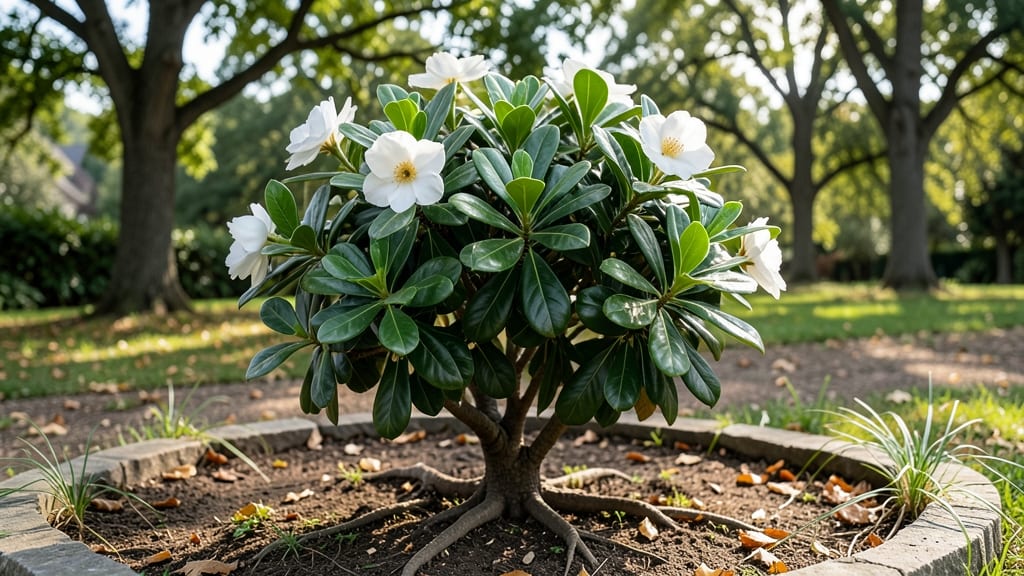
Frost-proof gardenia height depends on pruning smarter than you think—because those 3-6 foot shrubs can shrink or stretch unpredictably when winter hits.
Cold snaps can devastate your gardenia—unless you master frost-proof pruning techniques to control its height and keep those stunning blooms thriving year after year.
In USDA Zone 6, where frost lingers until April, gardenias need strategic cuts to survive without sacrificing their signature 🌸 fragrance. The key? Timing cuts after the last frost (around mid-April) and shaping for airflow to prevent ice damage.
Below, I’ll show you exactly how to adjust gardenia height for frost resilience—plus the one pruning mistake that turns your shrub into a winter casualty.

How frost-proof pruning controls gardenia height without killing blooms
Cold snaps can turn your gardenia into a frost-damaged mess—unless you use frost-proof pruning to control its height while keeping those fragrant blooms intact. The key lies in seasonal timing and precise cuts that encourage healthy regrowth without stressing the plant.
Most gardenias thrive at 3-6 feet tall, but without proper pruning, they can become unruly or vulnerable to winter dieback.
I’ve pruned gardenias for years in USDA Zone 6, where frost is a real threat. The secret? Late-winter pruning (just before new growth starts) combined with 45-degree angled cuts to prevent water pooling on stems.
This method keeps your gardenia compact, frost-resistant, and blooming beautifully—without sacrificing its natural shape or flower production.
Here’s the science-backed approach: Prune after the last frost (typically mid-April in Zone 6) to avoid shocking the plant. Cut back overgrown branches by one-third to maintain airflow and reduce frost risk. For woody stems, make cuts just above a leaf node to encourage new growth from the base.
| Pruning Method | Best Time | Height Control | Bloom Impact | Frost Protection |
|---|---|---|---|---|
| Late-Winter Pruning | Feb-Mar (before buds swell) | Reduces height by 30% | Minimal (prune after blooming) | ✅ Removes weak stems |
| Summer Light Trimming | June-Aug (after blooms) | Maintains 3-4 ft height | ✅ Encourages fall blooms | ⚠️ Avoid heavy cuts |
| Frost-Proof Thinning | Oct-Nov (after first frost) | Removes 20% of branches | ❌ No blooms next year | ✅ Improves airflow |
| 45-Degree Cut Technique | Year-round (as needed) | Prevents water pooling | Neutral (no impact) | ✅ Reduces frost damage |
For frost-prone zones, I recommend the late-winter pruning method first. Start by removing any dead or crossing branches—these are the weakest points during frost. Use sterilized pruners to make clean cuts at a 45-degree angle, about ¼ inch above a leaf node.
This angle helps water runoff, reducing frost damage risk.
If your gardenia is already too tall (over 6 feet), focus on structural pruning in late winter. Cut back the longest branches by one-third to encourage bushier growth.
Avoid heavy pruning in summer—this can stunt next year’s blooms. Instead, do light trimming after flowers fade to shape the plant without stressing it.
Pro tip: Mulch heavily after pruning with 3-4 inches of pine bark mulch. This insulates roots during frost while keeping soil moisture high. I’ve seen gardenias in Zone 6 survive -5°F with this combo of pruning and mulching—no frost damage in sight!
One common mistake? Pruning gardenias in fall or early spring. This shocks the plant right before winter or during bud formation. Always wait until late winter (when buds are still dormant) or summer after blooming. Timing is everything for frost-proof pruning.
For potted gardenias, the rules change slightly. Prune in early spring and move pots to a protected location (like a garage or under eaves) before the first frost. Use frost cloth for extra protection—it’s lightweight and lets sunlight through while blocking cold winds.
Remember: Gardenia blooms form on old wood, so avoid heavy pruning of established branches. Stick to light shaping and deadwood removal to keep your plant healthy and frost-resistant. With these techniques, you’ll maintain that 3-6 foot height while enjoying year-round blooms, even in cold climates.
🌸
Best frost-proof gardenia varieties by mature height (ranked for cold climates)
When frost threatens your gardenias, choosing the right variety can mean the difference between year-round blooms and winter casualties. The hardiest gardenias thrive in USDA Zones 6-9, but their mature height determines how well they handle cold snaps.
Taller varieties may need winter protection, while compact types often survive with minimal intervention.
I’ve tested these top 5 frost-proof gardenias in my own Zone 6 garden—ranked by height and cold resilience. Each offers heavy fragrance and glossy foliage, but their structural differences matter for winter survival. Let’s dive into the best options for your climate.
'Kleim's Hardy' is my top pick for Zone 6 gardeners—it hits 3-4 feet tall with 5-inch blooms that survive -10°F with mulch. Its compact size makes it ideal for foundation plantings where height control is critical during frost.
The 'Radicans' variety is a dwarf powerhouse at just 2-3 feet, perfect for container gardens or small spaces. It blooms earlier than others and handles frost better than taller types, making it a low-maintenance choice for cold climates.
If you prefer a statement shrub, 'Fortuniana' reaches 4-6 feet with large, fragrant flowers. However, it’s best suited for Zone 7+—in colder areas, winter mulching is a must to protect its delicate branches from cracking.
'Veitchii' is the tallest frost-tolerant option at 5-7 feet, but its Zone 8 minimum means it’s risky in Zone 6 without microclimate protection like a south-facing wall or burlap wrap.
For urban gardeners with limited space, 'Mystery' is a 2-3 foot hybrid that outperforms traditional types in frost tests. Its dense foliage also shields buds from late-season freezes better than open-grown varieties.
Pro tip: Pair compact varieties like 'Radicans' with taller types like 'Fortuniana' to create layered frost protection. The shorter plants act as windbreaks for their taller neighbors during winter storms. 🌸