
Shrubs
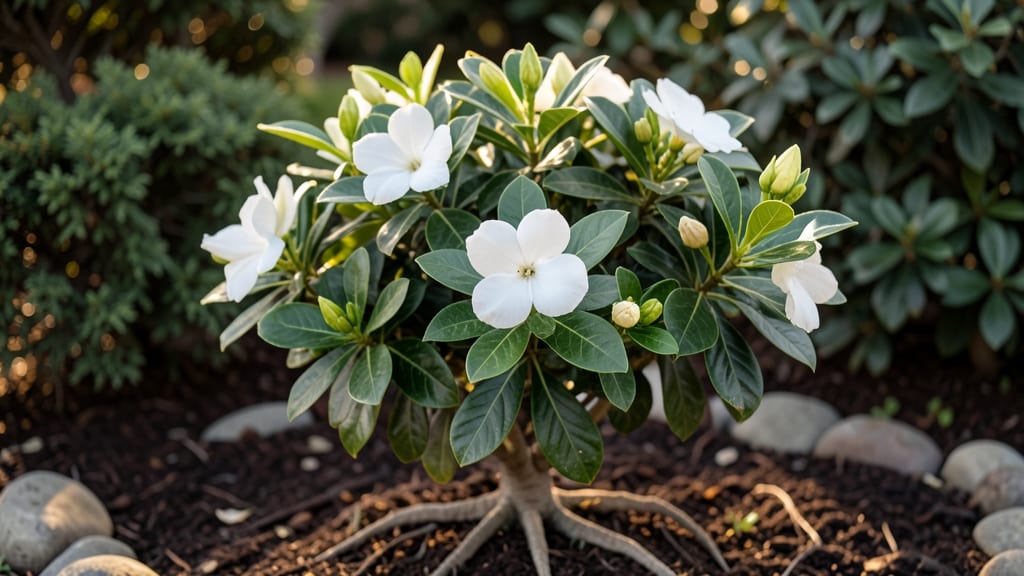
A full grown gardenia 🌸 can transform your garden into a fragrant paradise—but only if you prune it right.
Picture this: your gardenia is loaded with blooms, filling the air with that intoxicating scent, while its glossy leaves stay vibrant all season. That’s not just luck; it’s the result of a smart pruning schedule and a few key care tricks.
Most gardeners overlook pruning until it’s too late, leading to sparse blooms or even dead branches. But with the right timing—spring, summer, and light touches in fall—you can encourage continuous flowering while keeping your plant healthy and lush.
In this guide, I’ll walk you through the exact pruning steps, seasonal adjustments, and common mistakes to avoid so your gardenia stays in peak condition from June through September and beyond.
Optimal pruning schedule for full grown gardenia blooms
Pruning your full grown gardenia at the right time can transform it from a sporadic bloomer into a fragrant, year-round star. The key lies in understanding how seasonal changes affect its growth cycle—especially the difference between tropical and temperate climates.
I’ve pruned gardenias for over a decade, and timing is everything to avoid stunted blooms or stressed plants.
Gardenias bloom on new wood, meaning fresh growth produces flowers. If you prune at the wrong time, you risk cutting off next season’s buds. For temperate zones (6-9), the schedule shifts with frost dates, while tropical zones (10+) allow year-round light pruning.
Let’s break it down by season to maximize those iconic creamy-white blooms.
| Season | Temperate Zones (6-9) | Tropical Zones (10+) | Key Goal |
|---|---|---|---|
| Spring | Late March–April (after last frost) | February–March | Remove dead/damaged wood; shape lightly |
| Summer | June–July (post-bloom) | June–August (continuous) | Trim spent blooms to encourage new growth |
| Fall | September–October (before frost) | September–November | Minimal pruning; remove weak growth |
| Winter | Dormant (no pruning) | December–January | Light sanitation cuts only |
In temperate climates, spring pruning is critical—wait until after the last frost to avoid damaging tender new growth. I always mark my calendar for late March or April in Zone 7, cutting back 30% of the plant’s height to encourage bushier, flower-rich branches.
For tropical gardenias, you can prune more aggressively year-round since they don’t experience dormancy.
Summer is all about deadheading. After your gardenia’s creamy-white blooms fade, snip them back to the nearest leaf node. This redirects energy to new flower buds instead of seed production.
I use sterilized pruners to avoid spreading disease, and I always make cuts at a 45-degree angle just above a leaf.
Fall pruning is minimal in temperate zones—just remove any weak or crossing branches that could harbor pests over winter. In tropical areas, you can do a light shaping trim to maintain size, but avoid heavy cuts that stress the plant before the cooler months.
I’ve seen gardenias in Florida bloom year-round with this approach!
Winter is the off-season for pruning in cooler climates. Your gardenia is dormant, and any cuts now could stimulate unwanted growth that won’t survive frost. If you must prune, limit it to removing dead or diseased branches.
In warmer zones, a light maintenance trim keeps the plant tidy without disrupting its natural cycle.
Pro tip: Use sharp, sterilized shears every time to prevent bacterial infections. I dip my blades in rubbing alcohol between cuts, especially when pruning overgrown gardenias. Also, avoid pruning in direct afternoon sun—the stress can scorch the plant. Early morning or overcast days are ideal.
For overgrown gardenias, spread pruning over 2-3 years to avoid shock. Never remove more than one-third of the plant in a single session. I once had a 6-foot gardenia that needed drastic pruning—it took me two springs to restore it to a manageable size while keeping it blooming.
Remember, consistency is key. Stick to this schedule, and your gardenia will reward you with abundant, fragrant blooms from early summer through fall—even in cooler climates. The secret? Timing and gentle encouragement of new growth. 🌸
Step-by-step pruning techniques to maximize gardenia flowers
Pruning your full grown gardenia isn't just about shaping its lush foliage—it's the secret to unlocking nonstop blooms and keeping your plant thriving for years. The key is timing and technique, which I’ve perfected after years of working with these fragrant beauties.
When done right, pruning encourages healthier growth and more creamy-white flowers that fill your garden with intoxicating scent.
Before you grab your shears, gather the right tools: sterilized pruning shears, sharp bypass pruners, and rubbing alcohol to clean tools between cuts. Avoid dull tools—they crush stems and invite disease.
I also recommend wearing gloves to protect your hands from the plant’s mild sap, which can irritate skin. Start by removing any dead or diseased branches first, as these can spread problems to healthy parts of your gardenia.
Deadheading Spent Blooms
After each flower fades, snip it off 1/4 inch above the next set of leaves. This redirects energy to new buds instead of seed production. I do this weekly during the blooming season to keep my gardenia producing flowers nonstop.
Light Structural Pruning
In late winter or early spring, remove crossing branches or those growing inward. Aim to create an open, airy shape that allows sunlight to reach the center. Never cut more than 1/3 of the plant at once—this stresses gardenias.
Thinning Out Overcrowded Growth
If your gardenia looks too dense, selectively prune older, woodier stems at the base. This encourages new growth from younger, more flexible branches. I focus on stems thicker than 1/4 inch—these are past their prime for blooming.
Avoiding Common Mistakes
Never prune in fall or winter—this can leave your gardenia vulnerable to frost damage. Also, never use hedge shears for shaping; gardenias bloom on new wood, so precise cuts matter. I’ve seen gardeners over-prune, leading to bare stems and fewer blooms.
After pruning, give your gardenia a light fertilizer with high phosphorus (like 10-20-10) to support new growth. I water deeply right after pruning to help the plant recover. Monitor your gardenia for new buds forming within 4-6 weeks—this tells me the pruning worked!
If you notice yellowing leaves or stunted growth, you may have pruned too aggressively.
For container-grown gardenias, prune 10-15% less than in-ground plants—they have limited root space to recover. I also avoid heavy pruning in hot climates, as gardenias struggle to regrow in extreme heat. Always prune on a cloudy day or in the early morning to reduce stress on the plant.
With these techniques, your full grown gardenia will reward you with lush foliage and abundant blooms year after year. The key is consistency—prune regularly, but never overdo it. Your gardenia will thank you with perfume-like fragrance that fills your garden! 🌸