
Fertilization
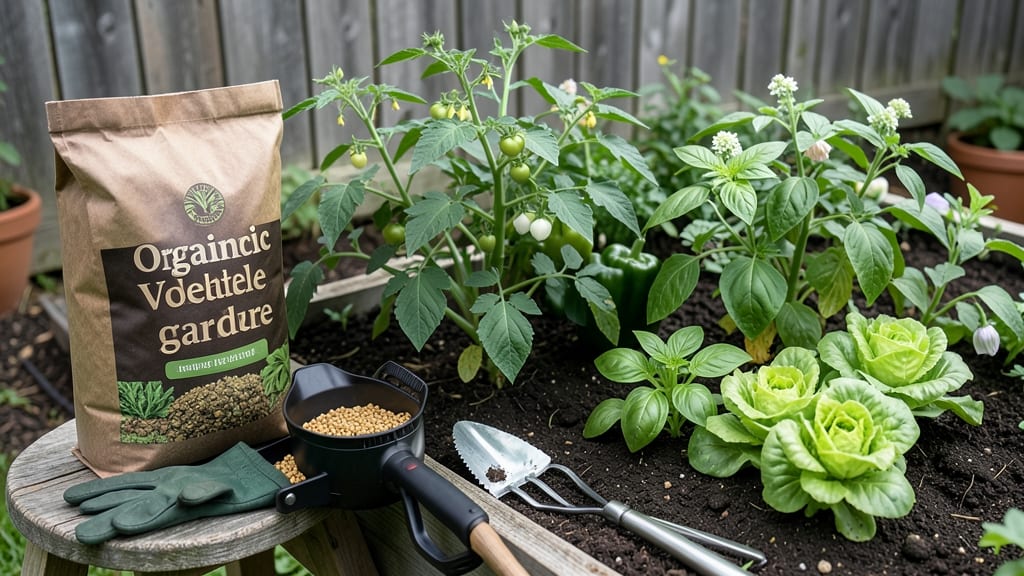
Reviews of garden fertilizers consistently recommend Miracle-Gro All Purpose Plant Food for its balanced NPK formula, Espoma Organic Garden Food for its compost-based nutrition, and Jobe’s Organics Fertilizer Spikes for their slow-release benefits. These top choices help gardeners match nutrient needs to specific plant types and growing conditions.
When selecting garden fertilizers, understanding NPK ratios (nitrogen, phosphorus, potassium) is key—each plays a distinct role in plant growth. 🌱 For instance, nitrogen promotes leafy growth, while phosphorus supports root development and flowering.
Organic options like Espoma break down naturally, enriching soil long-term, whereas synthetic blends like Miracle-Gro deliver fast results but may require more frequent application. Many gardeners swear by Jobe's spikes for their convenience, especially in large lawns or vegetable gardens where even distribution matters.
Beyond the top three, other factors like soil type and plant species influence your choice. For example, acid-loving plants like blueberries need specialized fertilizers, while general-purpose options work well for vegetables and flowering plants.
Always check the label for application rates—over-fertilizing can harm plants just as much as under-fertilizing. Testing your soil first gives you a baseline to work from, ensuring you're addressing specific deficiencies rather than guessing.
💡 In This Article
- How to Choose the Right Fertilizer for Your Garden Plants
- Top 5 Garden Fertilizer Comparison: Organic vs Synthetic Options
How to choose the right fertilizer for your garden plants
Understanding NPK ratios is the foundation of smart fertilization. Nitrogen (N) fuels leafy growth, phosphorus (P) strengthens roots and flowers, while potassium (K) enhances disease resistance and overall plant vigor. For example, a 10-10-10 ratio like in Miracle-Gro delivers equal parts of each, making it ideal for general garden use.
However, vegetables like tomatoes thrive with higher phosphorus (e.g., 5-10-10) to support fruit production, while lawns benefit from nitrogen-heavy blends (e.g., 30-0-4) for lush green growth. The key is matching the ratio to your plants' current growth stage and needs.
Organic and synthetic fertilizers work through different mechanisms. Organic options like Espoma break down slowly, releasing nutrients over time and improving soil structure through microbial activity. This process, called mineralization, can take weeks but results in long-term soil health.
Synthetic fertilizers, on the other hand, dissolve quickly, providing immediate nutrients but often lacking secondary minerals like calcium or magnesium. For instance, Miracle-Gro's synthetic formula delivers 15% nitrogen instantly, while Espoma's organic blend might take 4-6 weeks to fully activate but enriches the soil microbiome for years.
Soil tests reveal what your garden truly needs. A test kit measures pH and nutrient levels, helping you avoid over-fertilizing—too much nitrogen can scorch leaves, while excess phosphorus harms waterways.
For example, if your soil test shows low phosphorus (20 ppm or less), a bone meal fertilizer (high in P) would be ideal for flowering plants. Always follow the test's recommendations, as they often suggest specific NPK ratios or organic amendments like compost or manure.
This precision ensures your plants get exactly what they need without waste.
Plant type dictates the best fertilizer approach. Vegetables like lettuce and spinach need nitrogen-rich fertilizers early in growth, while fruiting plants (tomatoes, peppers) benefit from phosphorus-heavy feeds when flowering begins. Flowers often respond best to balanced or phosphorus-potassium blends (e.g., 5-10-10) to encourage blooms.
Lawns, meanwhile, require consistent nitrogen applications every 6-8 weeks during growing seasons. Understanding these cycles helps you time applications perfectly, avoiding nutrient deficiencies or toxic buildup.
Consider application methods too. Granular fertilizers like Miracle-Gro spread evenly with a drop spreader, while spikes (like Jobe's) offer targeted nutrition for individual plants. Liquid fertilizers provide quick uptake but require more frequent applications.
For example, a 30-second spray of diluted fish emulsion can give plants an instant nitrogen boost, but it won't replace the long-term benefits of organic matter. The right method depends on your garden's scale—small plots benefit from hand-spreading, while large areas need mechanical tools for efficiency.
Don't overlook secondary nutrients like calcium, magnesium, and sulfur. Many synthetic fertilizers lack these, leading to hidden deficiencies (e.g., blossom end rot in tomatoes from calcium lack). Organic fertilizers often include these naturally through compost or greensand.
For instance, 1 cup of greensand (potassium source) per 100 sq ft can prevent potassium deficiencies in fruit trees. Balancing primary and secondary nutrients ensures your plants grow strong from root to tip.