
Planting
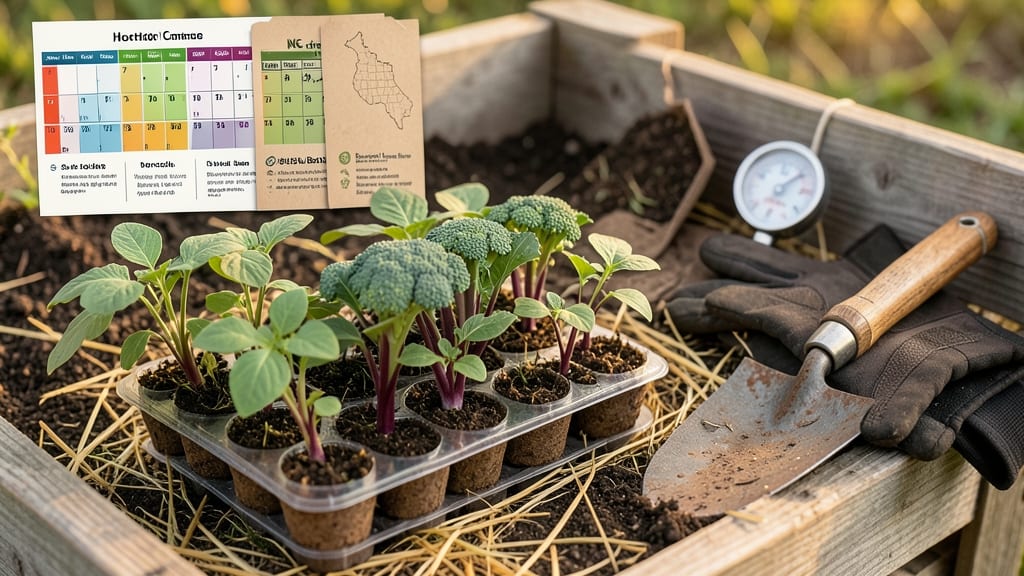
Planting a garden in North Carolina at the right time means the difference between lush, thriving crops and wasted effort. The state’s varied climate—from the cool mountains to the humid coast—demands precision, or you risk stunted growth or even crop failure.
Miss the ideal planting window, and you’ll battle pests, heat stress, or early frosts. But get it right, and you’ll enjoy faster harvests of tomatoes, herbs, and flowers—sometimes months ahead of schedule. Here’s how to nail the timing for your zone.
North Carolina’s USDA zones (7a-8b) dictate when to start seeds indoors, transplant seedlings, or sow directly. Cool-season crops like peas and kale can handle early spring, while heat-lovers like basil and okra need to wait until after the last frost.
Below, I’ll break down the exact deadlines by region, plus tips to extend your growing season with row covers and succession planting—so you can harvest longer and avoid common mistakes.
NC planting zones explained: when to start seeds indoors vs. direct sowing outdoors
North Carolina spans USDA zones 5b through 8a, creating wildly different planting windows from the cool mountain valleys to the humid coastal plains. In zone 5b (mountains), gardeners face late frosts until May 15, while zone 8a (coastal areas) enjoys frost-free soil by March 1.
These differences mean your basil and okra timing in Raleigh won’t match Asheville’s kale and peas schedule.
Understanding these zones helps you decide between starting seeds indoors (for heat-lovers like tomatoes) or direct sowing outdoors (for cold-hardy spinach). The key? Planting at the right time ensures your seedlings survive transplant shock and mature before heatwaves or first frosts strike.
Below is your zone-by-zone planting guide, including exact last frost dates, indoor seed-starting windows, and outdoor sowing deadlines. Use this to maximize your harvests while avoiding common NC gardening mistakes like overcrowded seedlings or bolting greens.
| Zone | Last Frost Date | Start Seeds Indoors | Transplant Outdoors | Direct Sow Outdoors |
|---|---|---|---|---|
| 5b (Mountains) | May 15 | March 1 - April 15 | April 15 - May 1 | April 15 - May 15 (cold-hardy crops) |
| 6a (Piedmont) | April 1 | February 15 - March 30 | March 15 - April 15 | March 1 - April 15 (cold-hardy); April 15 - May 1 (warm-season) |
| 7a (Central NC) | March 15 | January 15 - February 28 | February 15 - March 30 | February 1 - March 15 (cold-hardy); March 15 - April 15 (warm-season) |
| 7b (Coastal Plain) | February 28 | January 1 - February 15 | February 1 - March 15 | January 15 - February 28 (cold-hardy); February 28 - March 30 (warm-season) |
| 8a (Outer Banks) | January 15 | December 1 - January 15 | January 1 - February 15 | December 15 - January 31 (cold-hardy); January 31 - March 1 (warm-season) |
For cold-hardy crops like kale, peas, and spinach, you can often direct sow outdoors as soon as soil temperatures hit 40°F. In zone 5b, that might mean late March, while zone 8a gardeners can start by January.
These plants thrive in cool weather and even light frosts, making them ideal for early spring or fall harvests.
On the other hand, heat-sensitive plants like basil, cucumbers, and squash need warm soil (60°F+) and consistent temperatures above 50°F. That’s why you’ll see indoor seed-starting recommendations 6-8 weeks before transplanting.
In zone 6a, that means starting basil seeds indoors by February 15 and transplanting by March 15.
One common mistake NC gardeners make is planting warm-season crops too early. For example, tomatoes and peppers transplanted before May 1 in zone 5b often suffer from cold soil and slow growth.
Instead, wait until soil temperatures reach 60°F—usually late April to early May in the mountains and March to April in the Piedmont.
Pro tip: Use row covers or cold frames to extend your direct sowing window for heat-lovers like okra and sweet potatoes. These tools can push your last frost protection by 2-4 weeks, giving you an earlier start on warm-season crops.
Just remove covers once nighttime temps stay above 55°F to avoid heat stress.
For herbs like basil, always start seeds indoors unless you live in zone
Best month-by-month planting calendar for NC gardens (with heatwave & rainy season warnings)
North Carolina’s three distinct climate zones—Coastal Plain, Piedmont, and Mountains—create wildly different planting windows. The Piedmont’s heatwaves can scorch seedlings by June, while Coastal humidity invites fungal diseases if you plant too late.
Meanwhile, Mountain frost pockets delay spring planting by weeks. To avoid these pitfalls, I’ve mapped out month-by-month deadlines tailored to each region, with warnings for high-risk periods.
Start with cool-season crops like spinach and peas in February-March (Coastal) or March-April (Mountains). By late April, shift to warm-season staples—tomatoes, peppers, and okra—once soil hits 60°F.
But here’s the catch: Piedmont gardeners must act fast—by mid-May, heatwaves can stall germination. Miss these windows, and you’ll face bolting greens or soggy roots from relentless Coastal rains.
🔥 HEATWAVE & RAINY SEASON WARNINGS
Piedmont (Zones 7a-7b): Avoid planting heat-sensitive crops (basil, cucumbers) after May 15. Soil temps can hit 95°F by June, cooking seeds before they sprout.
Coastal Plain (Zones 8a-8b): June-August brings 90% humidity—perfect for fungal diseases. Space plants 12+ inches apart and use mulch to prevent soil-borne pathogens.
Mountains (Zones 6a-7a): Late frosts can hit until May 10. Protect seedlings with row covers or wait until after Mother’s Day for warm-season crops.
For fall planting, prioritize August-September in all zones. This gives crops like kale and carrots time to mature before first frost (typically November 15). In the Coastal Plain, hurricane season (June-November) demands elevated beds to prevent waterlogging.
Meanwhile, Mountain gardeners can squeeze in a second fall crop of radishes by early September.
Pro tip: Use succession planting to stretch yields. For example, sow bush beans every 2 weeks from May-July in the Piedmont. This ensures a steady harvest before July heatwaves reduce productivity. Pair this with drip irrigation to conserve water during drought-prone summers.
Don’t overlook perennials and herbs. Plant asparagus crowns in early spring (March-April) for a 3-year harvest. Meanwhile, rosemary and thyme thrive when planted in fall (September-October), establishing roots before winter. These drought-tolerant plants are perfect for Piedmont’s clay soil once established.
Track your local microclimate with a soil thermometer. In Coastal NC, aim for 70°F soil to plant warm-season crops; in the Mountains, wait for 65°F.
Adjust for shade variations—a north-facing bed may need 2-3 weeks earlier planting than a south-facing one. With these adjustments, you’ll double your harvests while dodging NC’s climate curveballs.