
Planting
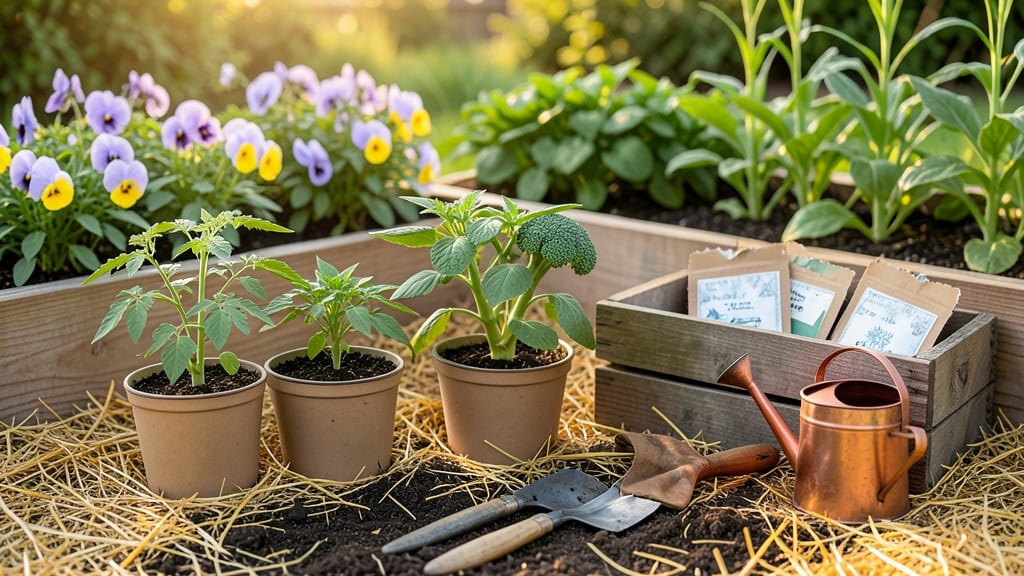
Planting your garden in Kentucky at the right time ensures fast growth and bountiful harvests—think late March for cool-season crops and early May for heat-lovers like tomatoes and peppers.
Kentucky’s mild climate and fertile soil make it a gardener’s paradise—but planting at the wrong time can mean stunted growth or wasted seeds. Mastering Zone 6B’s precise deadlines ensures your tomatoes, peppers, and flowers thrive from seed to harvest.
If you’ve ever watched seedlings struggle in chilly soil or seen summer crops bolt in the heat, you know timing is everything. The key is aligning your planting schedule with Kentucky’s last frost dates—typically mid-April—and adjusting for microclimates, whether you’re in Louisville, Lexington, or rural areas.
In this guide, I’ll break down the exact months to plant everything from lettuce to lavender, plus pro tips to extend your growing season and avoid common Kentucky gardening mistakes that slow down growth.
Kentucky zone 6B planting calendar: exact dates for vegetables, flowers, and herbs
Kentucky’s Zone 6B climate offers a 165-day frost-free season, giving you ample time to grow everything from cool-season greens to heat-loving tomatoes. The key? Timing your plantings around Kentucky’s average last frost (mid-April) and first frost (mid-October).
Miss these windows, and you risk stunted growth or frost damage—especially for tender annuals like peppers and basil.
For cool-season crops like spinach and broccoli, start seeds 4-6 weeks before your last frost date (around March 1st in most of Kentucky). Meanwhile, warm-season plants such as tomatoes and squash need to wait until 2-3 weeks after the last frost (typically mid-May) to avoid cold snaps.
Below, I’ve broken down the exact planting windows for Kentucky’s most popular crops, so you can maximize your harvest.
If you’re growing cool-season crops like lettuce or peas, don’t wait until the last minute—start seeds indoors in late February for an early spring harvest. For warm-season crops, like eggplant or okra, wait until the soil temperature reaches at least 60°F (usually mid-May) to avoid poor germination.
Pro tip: Use a soil thermometer to check—cool soil delays growth and invites pests.
For fall planting, aim to sow seeds 6-8 weeks before the first frost (around September 1st). This gives crops like kale, radishes, and carrots enough time to mature before winter sets in.
If you’re tempted to extend the season with row covers, remember that heavy frost (below 25°F) can still damage even the hardiest plants like spinach and Swiss chard.
Kentucky’s humidity and clay-heavy soils can also affect planting times. For example, tomatoes and peppers often need extra time to establish in Kentucky’s dense soil, so starting them indoors in late March gives them a head start.
Meanwhile, fast-growing crops like radishes or bush beans can handle direct sowing as soon as the soil is workable, even if it’s a bit chilly.
Don’t overlook herbs like cilantro and dill, which thrive in Kentucky’s cooler springs and falls. Plant them in early spring (April) or late summer (August) to avoid bolting (going to seed
How to adjust planting times for Kentucky’s microclimates and soil conditions
Kentucky’s diverse microclimates mean your neighbor’s thriving garden might struggle in your backyard. Urban Louisville’s heat islands can push planting dates 2 weeks earlier than rural Bowling Green’s cooler valleys. Meanwhile, clay-heavy soils common across the state slow germination unless amended properly.
Don’t let these challenges derail your garden dreams. With the right adjustments—like extending seasons with row covers or prepping clay soil with compost—you can create ideal conditions for faster germination and stronger plants.
I’ll show you how to fine-tune your planting schedule based on where you live and what’s growing in your soil.
🌱 Kentucky Microclimate Adjustments for Planting Times
- Urban Areas (Louisville, Lexington): Plant warm-season crops 2 weeks earlier (late April) due to heat retention. Use shade cloth for heat-sensitive plants like lettuce.
- Rural Valleys (Berea, Corbin): Delay planting by 1-2 weeks—cooler microclimates mean later last frosts. Start cold-hardy crops like kale in early March under row covers.
- Clay Soil Regions (Western KY): Amend with compost or sand 4-6 weeks before planting. Test soil pH—aim for 6.0-7.0 for most vegetables.
- Extended Season Tricks: Use cold frames to start seeds 6 weeks before last frost. Row covers add 2-4°F warmth for fall crops like spinach.
- Humidity Hotspots (Northern KY): Space plants 10-15% wider to improve airflow. Choose disease-resistant varieties like ‘Celebrity’ tomatoes.
For urban gardeners, microclimates can be your secret weapon. A south-facing balcony in Louisville might hit 85°F by May 1st, letting you plant basil and peppers 3 weeks earlier than traditional schedules suggest. Monitor local weather stations—sites like Kentucky Mesonet track real-time heat islands.
If you’re dealing with clay soil, don’t panic. Mix in 3 inches of compost or coarse sand before planting. For faster germination, soak seeds overnight in lukewarm water before sowing. This trick works especially well for slow starters like beans and peas.
To extend your growing season, invest in a low-cost cold frame (a clear plastic box with a lid). Place it over seedlings in early spring or late fall—it can add 4-6 weeks of growing time.
For example, I’ve grown baby carrots until mid-November using this method in my Zone 6B garden.
Pro tip: Keep a gardening journal to track your microclimate’s quirks. Note when frost hits your specific spot—it might be 2 weeks later than the county average. Over time, you’ll create a custom planting calendar tailored to your Kentucky backyard.