
Tools
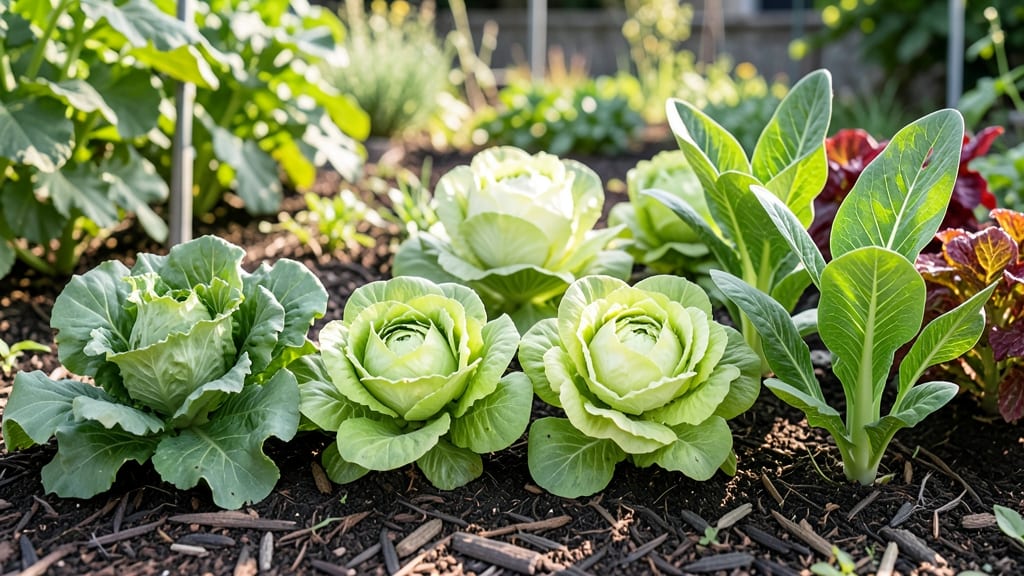
Garden lettuce types include fast-growing varieties like leaf lettuce (e.g., Black Seeded Simpson), romaine (e.g., Little Gem), butterhead (e.g., Bibb), and looseleaf (e.g., Oakleaf), each thriving in cool seasons with 30-50 days to harvest. Choose based on growth speed, texture, and heat tolerance for home gardens.
When selecting garden lettuce types, you're choosing between four main categories that differ in both appearance and growth habits.
Leaf lettuce varieties like Black Seeded Simpson grow quickly and can be harvested leaf by leaf, making them perfect for continuous harvests. Romaine types such as Little Gem offer a crisp texture and stand up better to heat, while butterhead lettuces like Bibb deliver a tender, sweet flavor ideal for salads.
Looseleaf varieties like Oakleaf are the most heat-tolerant and bolt-resistant, extending your growing season. 🌱
For home gardeners, the key is matching your climate and growing conditions to the right type. Leaf lettuces bolt quickly in hot weather, so they're best for spring or fall planting. Romaine and looseleaf varieties handle warmer temperatures better, while butterhead types thrive in cooler conditions.
I always recommend starting with a mix of these categories to ensure a steady harvest throughout the season.
💡 In This Article
- How Lettuce Varieties Differ in Growth and Flavor
- Best Fast-Growing Lettuce Varieties for Small Spaces
How lettuce varieties differ in growth and flavor
Lettuce varieties fall into four distinct botanical categories, each with unique growth patterns and flavor profiles shaped by their genetic makeup. Leaf lettuces like Black Seeded Simpson grow in loose, open heads with individual leaves that can be harvested sequentially, allowing for a 30-40 day harvest window.
Their rapid growth makes them ideal for early spring or fall plantings when temperatures hover between 45-65°F. The flavor tends to be slightly bitter and peppery, especially in cooler weather, which is why many gardeners prefer to harvest leaves in the morning when sugars are highest.
Romaine lettuce varieties such as Little Gem develop elongated, upright heads with crisp, sturdy leaves that resist bolting better than other types. These varieties thrive in 50-70°F conditions and take about 60-70 days to mature, making them perfect for late spring or early summer plantings.
The flavor is milder and more refreshing, with a slightly sweet undertone that makes it a favorite for Caesar salads. What sets romaine apart is its ability to tolerate slightly warmer temperatures, though prolonged heat above 80°F will still cause it to bolt.
The tender, buttery texture of butterhead lettuces like Bibb comes from their delicate, overlapping leaves that form soft, pale green heads. These varieties are particularly sensitive to heat, thriving best in 50-65°F conditions with a 50-60 day harvest window.
The flavor is sweet and mild, almost custard-like when fresh, but can develop a slightly bitter aftertaste if left in the heat. Their slow growth makes them less ideal for hot climates, but perfect for cool-season gardens where they can be harvested whole or leaf by leaf as they mature.
Looseleaf varieties like Oakleaf are the most heat-tolerant and bolt-resistant, making them the workhorse of summer gardens. These varieties grow in open rosettes with individual leaves that can be harvested continuously over 40-50 days, even in temperatures up to 85°F.
The flavor is mild and slightly sweet, with a texture that's crisp yet tender. Their ability to regrow after cutting makes them incredibly efficient for home gardens, especially in containers where space is limited.
The trade-off is that they're less cold-hardy than other types, so they perform best in warmer months.
What most gardeners don't realize is how soil temperature affects these growth patterns. Lettuce seeds require soil temperatures between 40-50°F to germinate properly—any warmer and they'll sit dormant in the soil. Once sprouted, cooler night temperatures (50-60°F) promote sweeter flavors, while warmer days (> 75°F) accelerate bolting.
This is why succession planting every 2-3 weeks in spring and fall ensures a continuous harvest, regardless of which variety you choose.
For those growing in containers, looseleaf and leaf lettuces excel due to their shallow root systems, while romaine varieties need slightly deeper pots (8-12 inches) to support their upright growth.
Butterhead types benefit from shade cloth during peak summer to prevent bolting, as their delicate leaves can scorch in direct sunlight above 80°F. Understanding these nuances lets you tailor your garden to your local climate and growing conditions for the most successful harvests.