
Tools
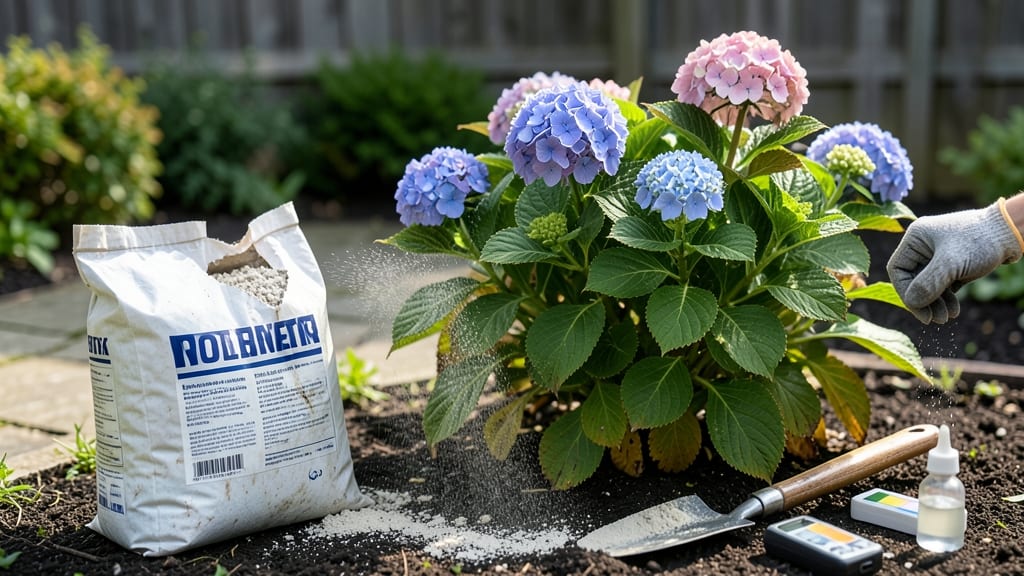
Garden lime for hydrangeas transforms soil chemistry to encourage blue blooms by raising pH levels, since varieties like Hydrangea macrophylla flourish in slightly alkaline conditions between 6.0 and 7.0. For best results, spread 1–2 pounds per 100 square feet each spring after testing soil pH to prevent over-liming.
Hydrangeas change color based on soil pH, and garden lime (calcium carbonate) is the secret weapon for coaxing those stunning blue blooms.
The lime neutralizes acidic soil, making essential nutrients like phosphorus more available while reducing aluminum toxicity that can stunt growth. 🌿 Think of it like adjusting the pH balance in your garden—just like how your body needs the right acidity levels, plants thrive when their environment is perfectly tuned.
I always recommend testing soil first because over-liming can actually harm plants by locking out other vital nutrients like iron or manganese.
Timing matters too—early spring application gives roots time to adjust before the growing season kicks into high gear. Spread the lime evenly and water it in well to help it integrate into the soil.
For large hydrangea bushes, you might need to repeat this process every 2–3 years, especially in acidic soils common to many garden regions. The key is patience and monitoring—your hydrangeas will thank you with vibrant blue flowers come summer.
💡 In This Article
- How Garden Lime Affects Hydrangea Soil Chemistry
- Step-by-Step Guide to Applying Lime for Blue Hydrangeas
How garden lime affects hydrangea soil chemistry
Garden lime—primarily made of calcium carbonate (CaCO₃)—works like a chemical buffer when applied to acidic soil. When you sprinkle it around your hydrangeas, it reacts with hydrogen ions (H⁺) in the soil, converting them into water (H₂O) and carbon dioxide (CO₂).
This neutralizes acidity, raising the pH from potentially harmful levels (like 5.0 or lower) toward the ideal 6.0–7.0 range for blue blooms. The reaction is gradual but powerful: just 1 pound of lime can raise the pH of 100 square feet of soil by 1–2 points over a few months.
The real magic happens below ground. Acidic soils often contain high levels of soluble aluminum (Al³⁺), which becomes toxic to hydrangea roots at pH levels below 5.5. Lime binds with this aluminum, forming insoluble aluminum hydroxide (Al(OH)₃) that plants can't absorb—effectively removing the toxin.
This is why hydrangeas in acidic soil may show yellowing leaves or stunted growth before flowering. 🌱 Meanwhile, the increased calcium from lime improves soil structure, helping roots access water and nutrients more efficiently.
Here’s where the color connection comes in: hydrangeas produce blue pigments (delphinidin-based anthocyanins) when soil pH is 6.0–7.0, while pink (cyanidin-based) dominates in acidic conditions. Lime doesn’t directly alter pigment production—it creates the ideal pH environment for the plant’s natural chemistry to shine.
Think of it like adjusting the pH of a pool to make chlorine work better; the lime sets the stage for the hydrangea’s genetic blueprint to fully express itself.
Micronutrient availability also shifts dramatically with pH changes. For example, phosphorus (critical for flower development) becomes more soluble in slightly alkaline soil, while iron (needed for chlorophyll) can become locked out if pH rises too high.
That’s why soil testing before liming is non-negotiable—overdoing it could create nutrient imbalances that harm your plants. A pH test kit (costing around $10–$20) gives you precise numbers to work with.
Consider this real-world example: In the Pacific Northwest, where acidic soils are common, gardeners often see hydrangeas shift from pink to blue within 6–8 weeks after proper liming. The transformation isn’t instant—it takes time for roots to adjust and new growth to emerge—but the results are dramatic.
For best outcomes, pair lime application with a balanced fertilizer (like 10-10-10) to replenish any micronutrients that might become less available as pH changes.
What most people overlook is that lime’s effects aren’t permanent. Organic matter in soil gradually re-acidifies over time, so you’ll typically need to reapply lime every 2–3 years in most climates. This ongoing maintenance is why professional gardeners recommend treating lime like a seasonal supplement rather than a one-time fix.