
Tools
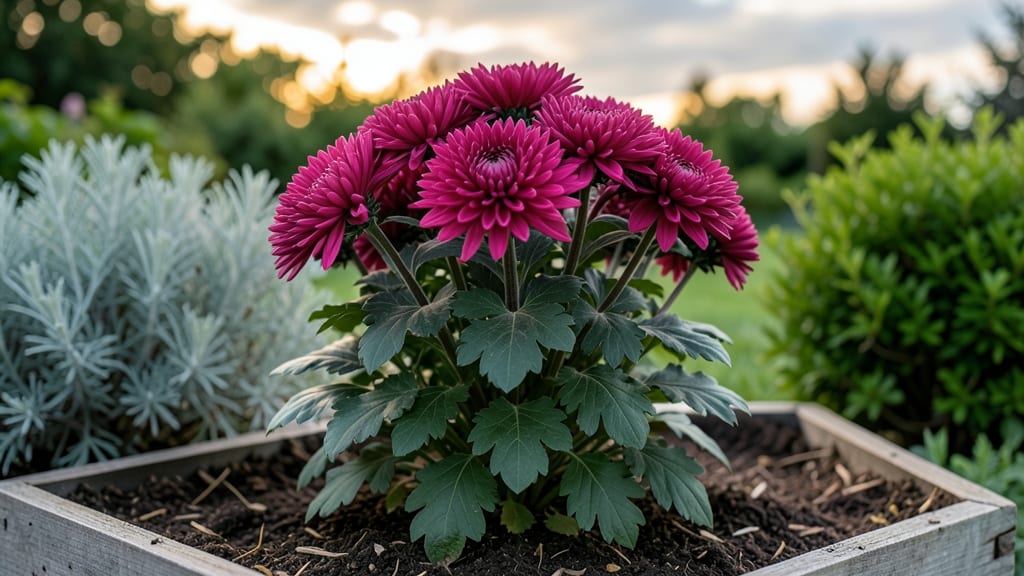
To grow garden mums as perennials, cut back faded blooms in fall, apply a thick layer of mulch (straw or leaves), and shield roots with frost cloth or burlap. Reduce watering before frost, then trim back in early spring to encourage fresh growth.
Garden mums thrive as perennials in USDA zones 5-9, where their hardy root systems naturally enter dormancy when temperatures drop. 🌱 The key to overwintering success lies in protecting these roots—mulch acts like a thermal blanket, insulating against freezing while allowing moisture to linger.
I’ve found that cultivars like 'Autumn Joy' or 'Purple Dome' handle cold better than hybrid varieties, which may need extra protection in marginal zones. Timing matters too: wait until the first hard frost to mulch, and avoid overwatering, which can weaken stems before dormancy sets in.
💡 In This Article
- Why Garden Mums Survive Winter as Perennials
- Step-by-Step Overwintering Guide for Perennial Garden Mums
Why garden mums survive winter as perennials
Garden mums (Chrysanthemum × grandiflorum) are surprisingly resilient perennials because they’ve evolved to handle seasonal dormancy. Their hardiness spans USDA zones 5 through 9, meaning they can endure winter temperatures as low as -20°F with proper care.
The secret lies in their deep root systems, which store energy in fibrous rhizomes—similar to how daylilies or peonies survive harsh winters. These roots act like natural batteries, converting stored sugars into energy for spring regrowth once temperatures rise.
Cold tolerance varies dramatically between cultivars. Native varieties like 'Autumn Joy' or 'Purple Dome' can handle 10-15°F colder temperatures than hybrid annuals, which often lack the same hardy genetic traits.
The key difference is in their growth cycles: perennials enter a natural dormancy phase when daylight shortens, while annuals would die off completely. Mulching becomes critical here—adding 4-6 inches of straw or leaves mimics the insulating effect of snow, keeping root zones 5-10°F warmer than ambient air temperatures.
The science of dormancy is fascinating: as temperatures drop below 40°F, garden mums trigger a hormonal shift that halts top growth and redirects resources to roots. This process, called vernalization, primes the plant for spring reblooming.
Without proper dormancy, mums may produce weak stems or sparse flowers the following season. Think of it like hibernation—just as bears need deep sleep to regenerate, mums need cold exposure to reset their biological clocks.
Water management plays a subtle but vital role in winter survival. Overwatering before frost can cause stems to rot at the base, while too little moisture leaves roots vulnerable to desiccation.
Aim for 1-2 inches of water every 2-3 weeks until the ground freezes, then reduce to just enough to prevent soil from drying out completely. The mulch layer helps maintain this balance by slowing evaporation while allowing excess moisture to drain away.
One common misconception is that all garden mums are equally cold-hardy. In reality, many commercial varieties sold as annuals are bred for summer blooms rather than winter resilience. For true perennial performance, look for labeled hardy cultivars or ask local nurseries which varieties thrive in your specific microclimate.
In my zone 6 garden, I’ve found that 'Bonanza Series' mums consistently outperform others after winter.
Visual cues can help you gauge a mum’s winter readiness. Healthy perennial mums will have sturdy stems that stand upright even after frost, while annuals often flop over. The leaves may turn brown but should remain attached to the stems—this indicates successful dormancy.
If you see blackened stems or mold at the base, it’s a sign of poor winter prep that could lead to rot.
Here’s what happens if you skip proper overwintering: without mulch, roots can freeze and thaw repeatedly, causing cell damage. This phenomenon, called frost heave, can uproot plants entirely. Even if stems survive, weak roots mean fewer blooms next season.
The payoff for proper care? Mums that return with 20-30% more vigorous growth and often larger, more abundant flowers than their first-year counterparts. 🌿