
Tools
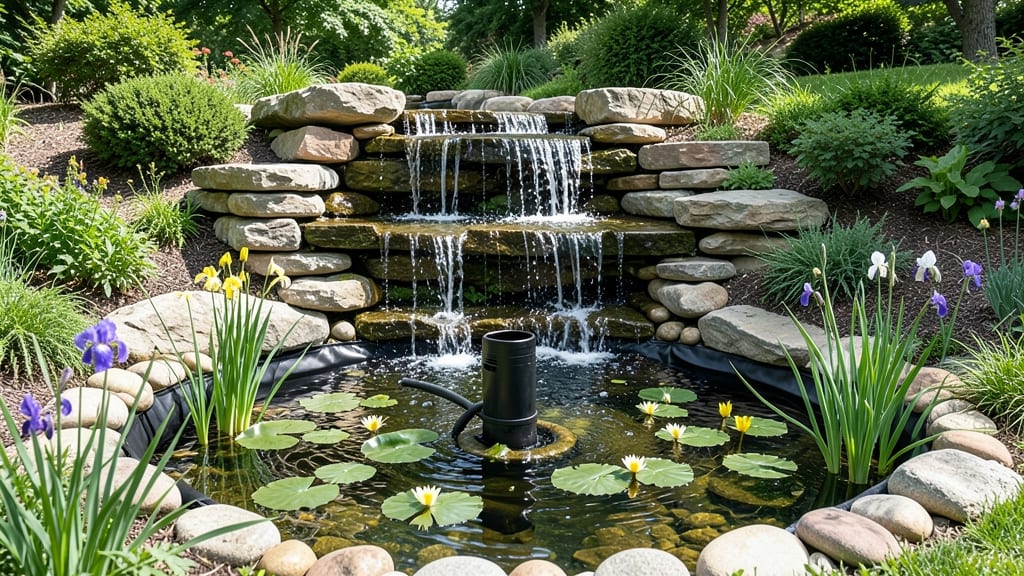
A garden pond waterfall creates natural movement and serenity by integrating harmoniously with your outdoor space. Select a layout that matches your pond's dimensions, using natural materials like stones and plants to form layered cascades or a flowing stream for both visual appeal and water circulation.
A garden pond waterfall does more than just look beautiful—it transforms your pond into a thriving ecosystem. 💫 The cascading water naturally aerates the water, which is crucial for fish health and plant growth, while the movement itself creates a soothing ambiance.
Tiered designs encourage better water filtration by distributing flow across multiple levels, while single-stream layouts offer a sleek, modern look that still promotes circulation.
When planning your design, consider your garden's existing features. A multi-tiered waterfall works beautifully in larger spaces, creating dramatic visual interest, while smaller areas might benefit from a subtle sheet fall or curved stream.
Native plants like water lilies or irises can soften the edges and provide additional ecological benefits by supporting local wildlife.
💡 In This Article
- How Waterfall Design Impacts Pond Ecosystem Balance
- 5 Natural Flow Waterfall Layouts for Different Garden Spaces
How waterfall design impacts pond ecosystem balance
A garden pond waterfall serves as a natural water circulation system that directly impacts the health of your aquatic environment. The cascading water introduces oxygen through aeration, which is essential for fish and beneficial bacteria that break down organic waste.
This process mimics natural streams, where dissolved oxygen levels typically range between 6-10 mg/L—ideal for maintaining a balanced ecosystem. Without this movement, stagnant water can develop harmful algae blooms and deplete oxygen levels below 3 mg/L, creating stressful conditions for aquatic life.
The design of your waterfall plays a crucial role in determining how effectively it oxygenates the water. Tiered waterfalls create multiple entry points where water splashes into the pond, increasing surface area exposure to air.
Each tier can add approximately 10-15% more oxygen compared to a single-stream design, which relies on one concentrated flow. The turbulence at each cascade level also helps distribute nutrients throughout the pond, supporting submerged plants like pondweed that thrive in well-oxygenated environments. 🌊
Beyond oxygenation, waterfalls create microhabitats that support diverse aquatic life. The varying water velocities at different tiers attract different species—faster flows may attract dragonfly nymphs, while slower areas become homes for small fish and amphibians.
The rocks used in construction also provide surfaces for algae and moss growth, which serve as food sources for invertebrates. In contrast, single-stream designs offer less habitat diversity but can be more effective at creating a continuous flow that mimics natural rivers.
Water circulation patterns differ significantly between tiered and single-stream designs. Tiered systems distribute water more evenly across the pond's surface, preventing dead zones where organic matter might accumulate. This even distribution helps maintain consistent water quality throughout the pond.
Single-stream designs, however, can create stronger currents in specific areas, which may be beneficial for certain fish species that prefer faster-moving water but could displace sensitive plants. The choice between designs should consider your pond's specific needs and the types of aquatic life you want to support.
Plant growth is another critical factor influenced by waterfall design. Tiered systems with multiple entry points create more opportunities for oxygen to reach submerged plants, promoting healthier root systems. Plants like water lilies and hornwort benefit from this increased oxygenation, as their roots can more effectively absorb nutrients.
In contrast, single-stream designs might require additional aeration mechanisms if your pond has dense plant coverage, as the oxygenation benefits are more concentrated in specific areas. 🌿
Consider the size of your pond when selecting a design. Larger ponds with surface areas exceeding 100 square feet can support more complex tiered systems that create dramatic visual effects while maintaining excellent water quality.
Smaller ponds may benefit from simpler designs that still provide adequate circulation without overwhelming the space. The key is to balance aesthetic appeal with functional benefits for your pond's ecosystem.
Remember that proper maintenance is essential for preserving the ecological benefits of your waterfall. Regularly check for debris accumulation in the waterfall structure, as blocked flow can reduce oxygenation and circulation. Trim overhanging plants that might shade the waterfall, as reduced sunlight can slow down natural processes in the pond.
With proper design and care, your garden pond waterfall will become a vital component of a thriving aquatic ecosystem. ✨