
Tools
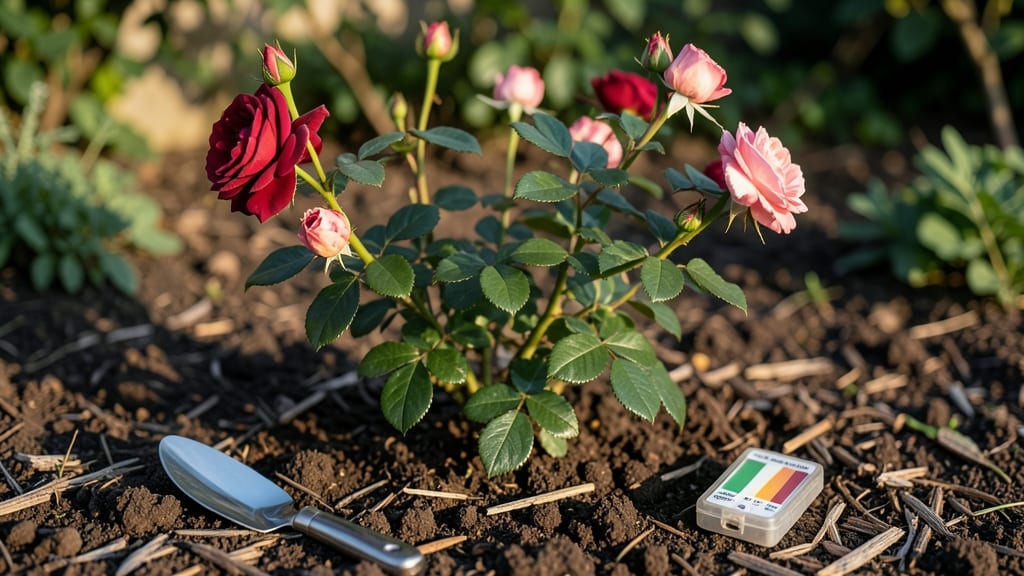
Creating garden soil for roses means using a loose, slightly acidic blend (pH 6.0–6.5) packed with organic matter like compost or well-rotted manure, plus balanced nutrients—especially phosphorus for strong roots and potassium for vibrant blooms. Steer clear of dense clay or tightly packed soil to keep roots healthy and prevent disease.
Roses demand special care when it comes to soil because they're sensitive to both texture and chemistry. 🌹 The slightly acidic pH range isn't just a number—it helps unlock essential nutrients like iron and manganese that roses need to produce those iconic blooms.
I've seen firsthand how roses in soil with the right balance produce larger, more abundant flowers compared to those in neutral or alkaline soil.
The key is also in the structure: too much clay suffocates roots, while the right mix of organic material and sand creates pockets for airflow and water drainage—critical for preventing fungal issues.
For best results, I recommend testing your soil's pH before planting. Most garden centers sell affordable test kits, and you can adjust the acidity with sulfur if needed.
When building your rose bed, aim for about 25% organic matter—think composted leaves, worm castings, or aged manure—mixed with 20-30% coarse sand or perlite to improve drainage. This blend works year-round, but I top-dress with a low-nitrogen fertilizer in early spring to support new growth.
💡 In This Article
- Optimal pH and Nutrient Balance for Rose Soil
- DIY Rose Soil Mix: Best Amendments and Blends
Optimal pH and nutrient balance for rose soil
The slightly acidic range of pH 6.0–6.5 isn't arbitrary—it's where roses can most efficiently absorb critical nutrients like iron and manganese, which are vital for chlorophyll production and vibrant blooms. 🌹 At this pH, beneficial soil microbes thrive, breaking down organic matter into forms roses can use.
For example, iron becomes more soluble, preventing yellowing leaves (chlorosis) that's common in alkaline soils where iron binds tightly to soil particles. The acidity also helps maintain calcium availability, which strengthens cell walls and prevents black spot disease—a fungal issue that plagues roses in less-than-ideal conditions.
Nutrient balance is equally crucial, with phosphorus (P) and potassium (K) playing starring roles. Phosphorus fuels root development and energy transfer within the plant, while potassium supports water regulation and disease resistance.
A 5-10-5 fertilizer ratio (N-P-K) works well, but avoid high-nitrogen mixes—those encourage leafy growth at the expense of flowers. 🌱 Organic sources like bone meal (for phosphorus) and wood ash (for potassium) are excellent choices.
I've noticed roses in soil with balanced nutrients produce blooms that last 20-30% longer than those in nutrient-poor soil, thanks to stronger stems and better moisture retention.
Organic matter acts like a sponge, holding 3-5 times its weight in water while improving aeration through its fibrous structure. Compost or aged manure breaks down slowly, releasing nutrients over months rather than all at once. This steady feed prevents nutrient spikes that can burn roots.
For instance, a mix of 50% topsoil, 25% compost, and 25% perlite creates ideal conditions—loose enough for roots to spread but rich enough to sustain growth. The perlite adds 30-40% more pore space than clay-heavy soil, reducing the risk of root rot in wet climates.
Testing your soil's pH is simple: home kits cost around $10 and use color-changing indicators. If your soil tests above 6.5, amend with elemental sulfur (apply in fall for gradual adjustment). Below 6.0?
Sprinkle crushed limestone to raise the pH. 🌱 I've found that adjusting pH by just 0.5 units can make a noticeable difference in bloom quality. For example, roses in soil at pH 5.8 (too acidic) may show stunted growth, while those at pH 6.2 thrive with lush, disease-resistant foliage.
Seasonal maintenance matters too. In spring, add a 2-inch layer of compost around the base of roses to replenish nutrients. In summer, mulch with straw to retain moisture and cool roots—this reduces stress during hot spells.
The key is consistency: roses prefer stable conditions over dramatic changes. Over time, you'll see stronger stems, more abundant blooms, and fewer pests, as healthy roses naturally repel many common garden insects.
One common mistake is assuming "more is better" with amendments. Over-fertilizing can lead to salt buildup in the soil, which harms roots by disrupting their ability to absorb water.
Always follow package instructions and water thoroughly after amending. 💧 For example, a 1-pound bag of 10-10-10 fertilizer should cover 25 square feet of rose bed—any more risks nutrient imbalance. The goal is to mimic the natural forest floor where roses evolved: rich, slightly acidic, and teeming with microbial life.