
Tools
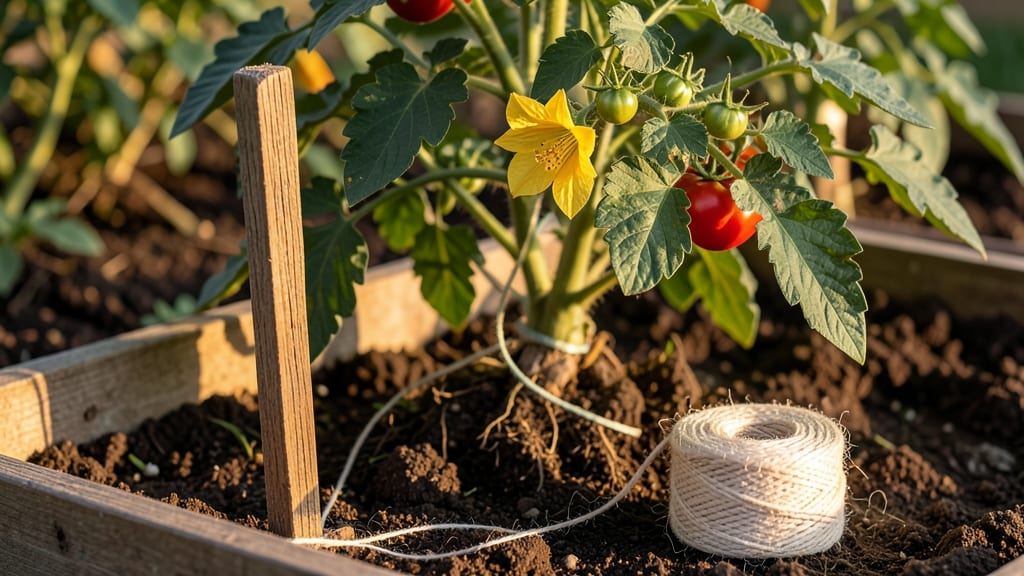
Choosing the right garden twine for tomatoes means selecting 1.5–2.5mm thick twine with UV resistance to handle 10–20 lb weight without breaking, especially for indeterminate varieties that can grow over 10 feet tall. Always pick biodegradable or recyclable options to keep your soil clean.
Tomatoes need sturdy support, and the right twine makes all the difference. 🌱 Thicker twine prevents sagging, which keeps fruit off the ground and reduces disease risk. I’ve found that UV-resistant twine lasts through multiple growing seasons, saving you money and hassle.
For indeterminate varieties—like cherry or beefsteak tomatoes—that climb continuously, 2.5mm twine is worth the investment. Plus, biodegradable options break down naturally, so you won’t have to dig them out later.
When staking, loop the twine gently around the main stem every 12–18 inches to avoid damaging young plants. Replace twine if it stretches or weakens mid-season, as broken support can lead to snapped stems or poor fruit development.
For heavy vines, consider doubling up twine or using twist ties for extra security.
💡 In This Article
- How Tomato Plant Growth Affects Twine Strength Requirements
- Step-by-Step Tomato Staking with Twine: Best Practices
How tomato plant growth affects twine strength requirements
Tomato vines grow differently based on their variety, and this directly impacts the twine strength you need. Determinate tomatoes—like Roma or Celebrity—grow to a fixed height (typically 3–5 feet) and produce fruit in clusters at the top.
Their weight load is concentrated near the top, so 1.5mm twine usually suffices. Indeterminate varieties, however, keep growing indefinitely (often 6–12+ feet) and produce fruit along the entire stem, distributing weight unevenly.
This is why they demand 2.0–2.5mm twine—the extra thickness prevents snapping under the cumulative weight of 10–20 lbs of fruit and foliage.
The mechanics of vine growth matter too. As indeterminate tomatoes climb, their stems develop lateral branches that bear fruit, creating a "weight ladder" effect. Wind adds another challenge: a 10 mph breeze can exert 5–10 lbs of lateral force on a 6-foot vine, testing even sturdy twine.
UV resistance becomes critical here—standard twine degrades in 3–6 months under sunlight, losing up to 50% of its tensile strength. Biodegradable options like hemp or corn-based twine break down naturally but may weaken faster in wet conditions.
Think about how twine thickness translates to real-world support. A 1.5mm twine can handle about 5–7 lbs per loop, while 2.5mm twine doubles that capacity.
For a 10-foot indeterminate vine with 20 lbs of tomatoes, that means your twine must distribute weight across 5–6 loops to avoid stress points. Poor support leads to stem breakage or fruit rot from touching the ground—a common issue with insufficient twine strength.
Here’s what happens when twine fails: the vine sags, causing blossom-end rot from uneven water absorption or sunscald on exposed fruit. The plant also wastes energy trying to stay upright instead of producing fruit.
For heavy varieties like Brandywine or Black Krim, I’ve seen 2.5mm UV-resistant twine prevent these issues entirely. The key is matching twine thickness to both vine height and fruit load.
Consider these factors when choosing twine:
- Vine height: 3–5 ft (determinate) → 1.5mm; 6–12+ ft (indeterminate) → 2.0–2.5mm
- Fruit weight: 1–2 lbs per cluster → 1.5mm; 3+ lbs per cluster → 2.5mm
- Wind exposure: High-wind areas need 20–30% thicker twine for lateral support
- Season length: Longer growing seasons require UV-resistant twine to prevent mid-season failure
For example, a Sungold cherry tomato vine (indeterminate, 8–10 ft) with 1 lb clusters needs 2.0mm twine—but if it’s in a windy spot, 2.5mm is safer. The right twine isn’t just about preventing breaks; it’s about maximizing your harvest by letting the plant focus on growth, not survival.