
Tools
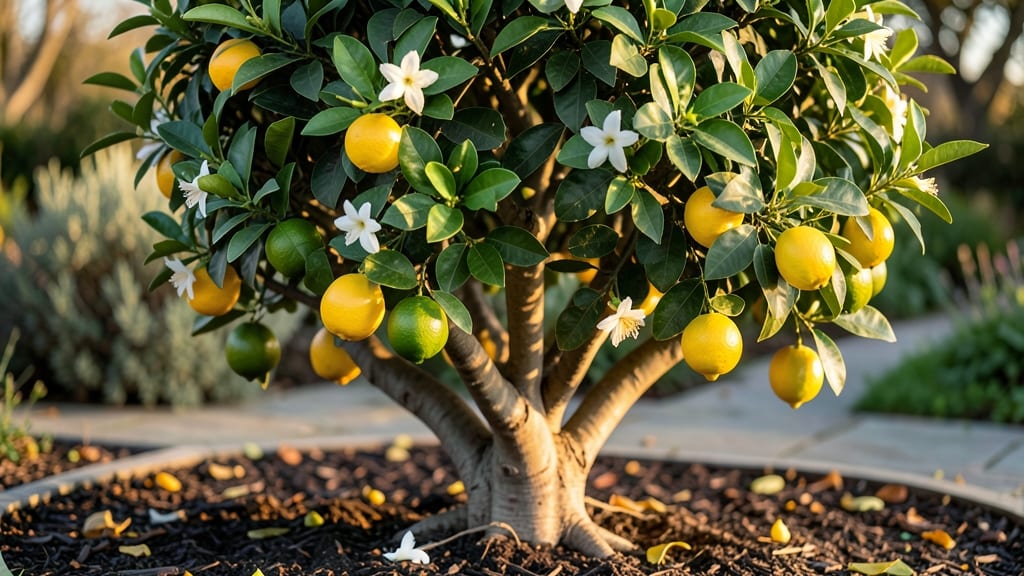
Tomatoes are to gardens what trees are to forests: foundational plants that define the ecosystem's structure, provide food, support biodiversity, and shape the environment's health through their growth patterns and ecological roles.
This analogy highlights how tomatoes act as the backbone of garden ecosystems, much like trees do in forests. 🌱 They create vertical space for other plants to thrive, attract pollinators that boost overall plant health, and improve soil quality through their deep root systems.
Unlike many ornamental plants, tomatoes produce edible fruit while simultaneously supporting the garden's ecological balance—similar to how forest trees provide food for wildlife while maintaining soil stability.
What makes this comparison especially valuable is how both systems rely on interconnected relationships. In forests, trees form the canopy that regulates sunlight and temperature, while in gardens, tomato plants can serve as natural trellises that maximize space efficiency.
Both systems also depend on symbiotic relationships with other organisms—whether it's mycorrhizal fungi for trees or companion plants like basil for tomatoes—to thrive in their respective environments.
💡 In This Article
- How Tomatoes and Trees Shape Their Ecosystems
- Designing a Balanced Garden Ecosystem Like a Forest
How tomatoes and trees shape their ecosystems
Tomatoes and trees share a fundamental role in their ecosystems by creating vertical structure that transforms flat spaces into thriving habitats.
In gardens, tomato vines can grow 6-10 feet tall when properly trellised, forming a living canopy that provides shade for heat-sensitive plants below—just like forest trees regulate sunlight penetration through their layered canopies.
This vertical growth pattern also increases air circulation, reducing fungal diseases in tomatoes while mimicking the forest understory's cooler, more humid microclimate.
The root systems of both plants perform similar ecological functions. Tomato roots extend 2-3 feet deep, breaking up compacted soil and creating channels that improve water infiltration—similar to how tree roots prevent erosion and create underground water reservoirs.
What's particularly fascinating is how tomato roots release organic compounds that suppress harmful pathogens while attracting beneficial soil microbes, much like forest trees form mycorrhizal relationships that enhance nutrient cycling across entire ecosystems.
Both tomatoes and trees act as keystone species that support food webs. A single tomato plant can attract 10-20 different insect species including bees, hoverflies, and parasitic wasps, creating a mini food chain that controls pests naturally.
In forests, trees provide food and shelter for countless species, from squirrels to birds to fungi.
The parallel extends to fruit production: just as forest trees produce nuts and berries that feed wildlife, tomato plants offer sustenance to both humans and beneficial insects through their edible fruit and pollen-rich flowers.
There's also a chemical communication aspect worth noting. Tomato plants release volatile organic compounds when stressed (like from herbivore attacks), which can repel pests or attract their predators—similar to how forest trees emit chemical signals that coordinate defense responses across entire communities.
This chemical signaling creates a form of "plant internet" that enhances ecosystem resilience in both garden and forest environments.
Perhaps most surprisingly, both tomatoes and trees influence their ecosystems through their lifecycle. When tomato plants senesce, their fallen leaves become green manure, enriching the soil with nitrogen—just as fallen leaves from forest trees decompose to create nutrient-rich humus.
This nutrient cycling is crucial for maintaining soil fertility, demonstrating how both plants contribute to long-term ecosystem health through their growth and decay processes.
The structural differences become apparent when comparing indeterminate tomato varieties (which grow continuously) to forest trees that grow seasonally. However, both systems rely on this growth pattern to create stable, multi-layered environments where diverse species can coexist.
The key takeaway is that whether you're looking at a 10-foot tomato trellis or a 100-foot oak tree, these plants are architectural engineers of their respective ecosystems.