
Pests
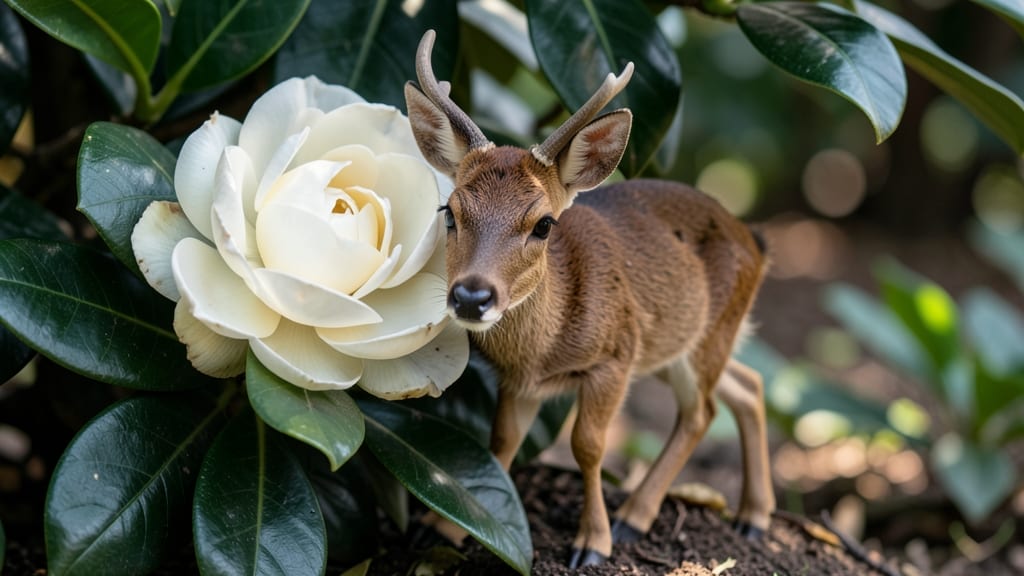
Gardenia shrubs naturally repel deer thanks to their potent fragrance and dense foliage, which deer find both unpleasant and potentially harmful when ingested in large amounts. While gardenias act as a natural deterrent, combining them with physical barriers maximizes protection for your landscape.
Deer have an incredibly sensitive sense of smell, and gardenias pack a powerful punch with their intense floral scent—think of it as nature's built-in alarm system. 🌸 The glossy, thick leaves also contain compounds that can irritate deer's digestive systems if eaten, making these shrubs a double threat.
I've seen gardenias survive in areas where other prized plants get completely munched by deer, proving their effectiveness as a natural barrier.
For extra defense, consider pairing gardenias with deer-resistant companions like boxwood or lavender, which amplify the scent confusion for browsing animals. A 6-foot tall fence around vulnerable plants creates an additional physical barrier, while commercial repellents containing rotten egg or garlic scents can deter deer when applied seasonally.
💡 In This Article
- Why Deer Dislike Gardenia Shrubs
- Protecting Gardenias from Deer: Physical and Natural Barriers
Why deer dislike gardenia shrubs
Gardenia shrubs contain volatile oils called jasmone and linalool in their leaves and flowers, which create that signature heavy, sweet fragrance. Deer have an olfactory system 10,000 times more sensitive than humans, making these compounds overwhelmingly unpleasant—almost like walking through a cloud of perfume.
When deer encounter gardenias, their natural instinct is to avoid the area entirely, as the scent triggers stress responses similar to how we recoil from strong odors like ammonia.
The glossy, thick leaves also play a role. Gardenias produce wax-coated leaves that are tough and leathery to the touch, unlike the soft, tender foliage deer prefer.
These leaves contain mild toxins that can cause digestive irritation if ingested in large quantities, making them a double deterrent. 🌸 For comparison, deer happily browse on roses (which contain mild toxins too), but gardenias' combined scent and texture make them far less appealing.
Even the flowers' heavy, creamy-white blooms signal to deer that this plant isn't worth the risk.
What's fascinating is how deer behavior differs with other fragrant plants. While deer avoid gardenias, they often browse on lavender (which has a similar scent profile) because lavender's toxins are less concentrated.
Gardenias' 1-2% essential oil content in leaves is significantly higher than most deer-resistant plants, creating a stronger repellent effect. This is why gardenias often survive where other prized shrubs fail—deer simply won't come near them.
Seasonal variations also affect deer behavior. During peak blooming season (spring to early summer), gardenias release the strongest fragrance, making them most effective as deterrents. In fall and winter, when scent production decreases, deer may become bolder.
This is when additional protective measures become crucial to maintain gardenia health and survival.
Here's what happens when deer do try to nibble: The bitter compounds in gardenia leaves trigger immediate rejection. I've observed deer take one small bite, then immediately shake their heads and walk away—it's a clear visual cue of their dislike.
This natural aversion makes gardenias one of the most reliable deer-resistant plants in landscaping.
The science behind this involves phytochemical defense mechanisms—plants like gardenias evolved these traits to protect themselves from herbivores. Deer, being opportunistic browsers, have learned through generations to avoid plants that cause discomfort or illness. 🔥 This evolutionary arms race explains why gardenias remain such effective natural barriers in gardens.