
Advice
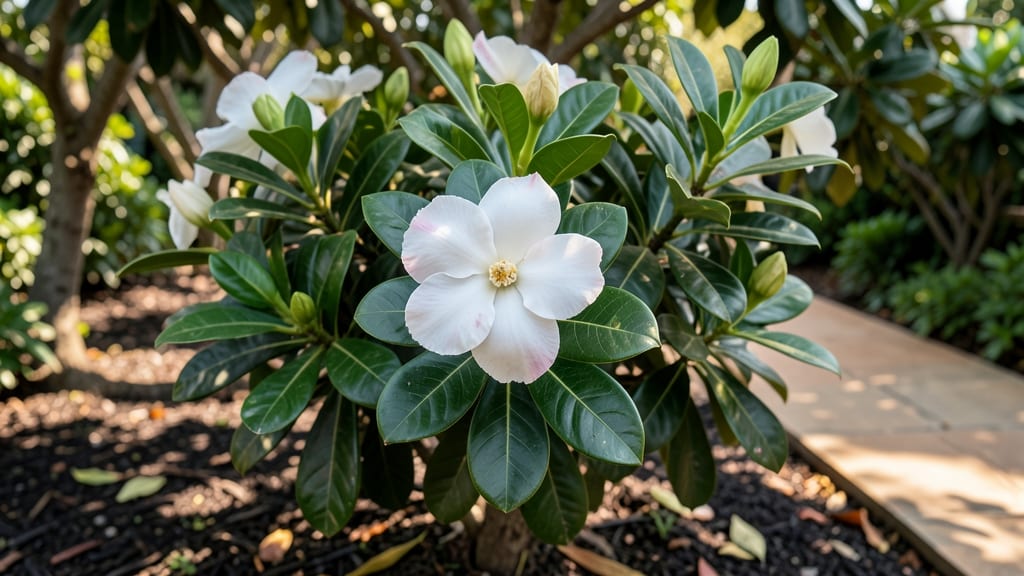
Gardenia plants are not dog-safe—their leaves, flowers, and stems contain toxic compounds like saponins and cyanogenic glycosides that can cause vomiting, diarrhea, and lethargy in pets if ingested. Keep gardenias out of reach of curious dogs and opt for pet-friendly alternatives like roses or sunflowers instead.
If your dog has access to your garden or indoor plants, gardenias pose a serious risk. 🌸 The toxic compounds in these flowers can trigger severe reactions, including excessive drooling, abdominal pain, or even more dangerous symptoms like dilated pupils or difficulty breathing.
Even small amounts of chewed leaves or petals can make your pup sick, so it's best to remove them from your home entirely. For a safe floral display, consider pet-friendly options like sunflowers or marigolds, which won't harm your furry friend.
Creating a dog-safe garden starts with research—many common flowers and plants are actually toxic. 🐕 For example, lilies (even the petals) are deadly to cats, while azaleas and oleander can cause heart issues in dogs. Always double-check before adding new plants to your yard or home.
If you suspect your dog has ingested gardenia or any other toxic plant, contact your vet or the ASPCA Animal Poison Control Center immediately—they can provide life-saving guidance.
💡 In This Article
- Toxic Compounds in Gardenia Plants and Their Effects on Dogs
- Pet-Friendly Flower Alternatives for Dog Owners
Toxic compounds in gardenia plants and their effects on dogs
Gardenia plants contain two primary toxic compounds that pose risks to dogs: saponins and cyanogenic glycosides. Saponins create soapy-tasting foams when mixed with water, which irritate the mouth, throat, and digestive tract. These compounds disrupt cell membranes, leading to inflammation and tissue damage.
Meanwhile, cyanogenic glycosides release cyanide when metabolized, which interferes with oxygen transport in the body—similar to how it works in bitter almonds or apple seeds.
The effects vary based on the amount ingested and your dog's size. A small dog might experience symptoms after consuming just a few leaves, while larger breeds could tolerate slightly more before showing signs.
Common reactions include excessive drooling, vomiting, diarrhea (sometimes with blood), weakness, or even seizures in severe cases. The scent of gardenias—often sweet and floral—can attract curious dogs, making accidental ingestion more likely indoors or in gardens. 🌿
What most pet owners don't realize is how quickly symptoms can escalate. Within 15-60 minutes of ingestion, you might notice your dog pawing at their mouth or refusing food. The saponins cause immediate irritation, while the cyanogenic glycosides take longer to metabolize into cyanide.
This dual mechanism makes gardenias particularly dangerous compared to plants with only one type of toxin.
Breed-specific risks also play a role. Brachycephalic breeds (like pugs or bulldogs) have narrower airways, making respiratory distress more likely if they inhale gardenia pollen or debris. Meanwhile, dogs with pre-existing liver conditions may process the toxins more slowly, increasing their vulnerability.
Always monitor your dog's behavior after exposure to new plants, even if they seem unaffected at first.
If poisoning is suspected, the ASPCA recommends inducing vomiting only under veterinary guidance—never force it without professional advice. Activated charcoal can help bind toxins in the stomach, but timing is critical.
The faster you act, the better your dog's chances of recovery. Keep a recent photo of the plant handy for your vet, as accurate identification speeds up treatment.
For prevention, consider the placement of gardenias. If you love their fragrance, opt for hanging baskets out of reach or use artificial versions designed for pet safety. The difference in scent between real and synthetic gardenias is minimal, but the risk to your dog is enormous. 🚫