
Vegetables
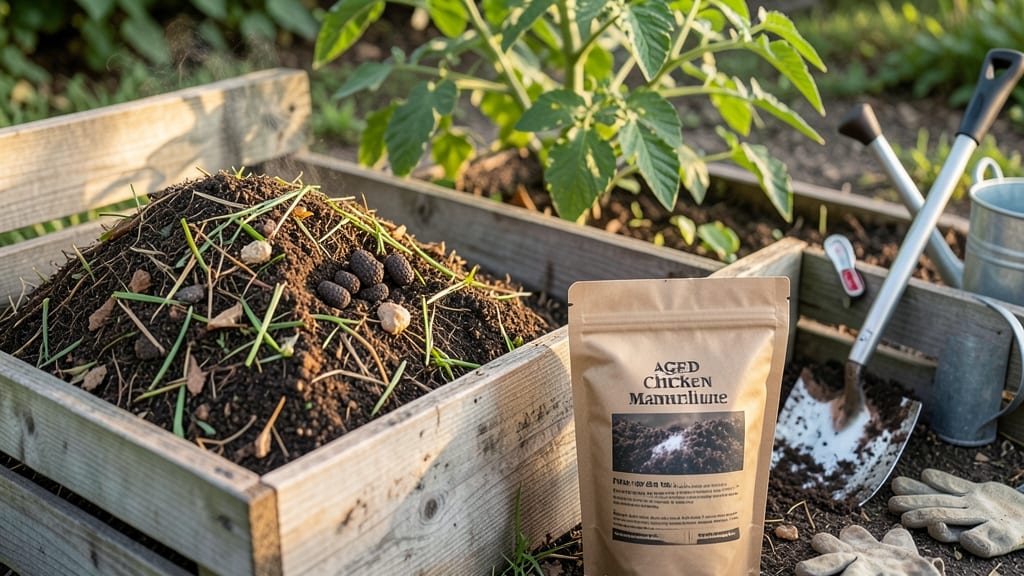
Chicken poop is good for gardens when properly composted, providing valuable nitrogen and organic matter, but raw droppings may harm plants by burning roots or spreading diseases like salmonella. Always compost fully before applying.
Is chicken poop good for gardens? Yes, but with caution—it’s packed with nitrogen and nutrients, but fresh droppings can scorch plants or introduce harmful bacteria. 🌱 The key is patience: composting for at least 6 months transforms it into a safe, nutrient-rich amendment. I've found that nitrogen-loving plants like leafy greens thrive with composted chicken manure, while root vegetables benefit more from aged compost mixed into soil. Never apply fresh manure directly to garden beds, especially near edible crops.
For those without compost piles, consider pre-composted chicken manure available at garden centers. These products are typically aged and safe for immediate use, though they still require proper dilution. The trade-off? While effective, they often cost more than homemade compost. Always prioritize safety—your plants (and your family) will thank you.
💡 In This Article
- Chicken Manure Composition and Plant Nutrition
- Safe Ways to Use Chicken Manure in Gardens
Chicken manure composition and plant nutrition
Chicken manure stands out among organic fertilizers due to its exceptionally high nitrogen content—typically ranging from 1.5% to 4.5% by weight, compared to 0.5% in cow manure or 0.2% in horse manure.
This nitrogen comes primarily from undigested protein and urea in the droppings, which breaks down into ammonia—a potent but potentially harmful compound for plants if not properly managed.
The manure also contains phosphorus (0.6% to 1.5%) and potassium (0.4% to 1.2%), creating a roughly 4-2-1 NPK ratio that makes it ideal for nitrogen-hungry crops like lettuce, spinach, or corn. 🌱
The catch? Fresh chicken manure is so concentrated that its ammonia content can burn plant roots and foliage, causing yellowing leaves or stunted growth. This happens because the high nitrogen converts to ammonia gas when exposed to air, creating a pH spike above 8.0—far too alkaline for most plants.
Even the texture matters: raw manure has a crumbly, almost gritty consistency that can disrupt soil structure, while composted manure becomes dark, crumbly, and earthy, resembling rich humus. The transformation occurs through microbial action, where beneficial bacteria break down pathogens and stabilize nutrients.
When comparing chicken manure to synthetic fertilizers, its advantage lies in the slow-release nature of its nutrients. Unlike chemical fertilizers that provide an immediate but short-lived boost, composted chicken manure feeds plants gradually over 3-6 months, improving soil structure and water retention.
This makes it particularly valuable for sandy soils that drain too quickly or clay soils that compact easily. The organic matter in composted manure also supports beneficial microbes, creating a self-sustaining ecosystem that reduces the need for additional fertilizers over time.
One common misconception is that all manure works the same way. Cow manure, for example, has a milder NPK ratio (0.5-1.0-0.5) and requires only 3-6 months of composting, while chicken manure needs 6-12 months due to its higher ammonia content.
The key difference lies in the animal's diet—chickens consume protein-rich feed, resulting in manure with higher nitrogen levels. This is why gardeners often blend chicken manure with carbon-rich materials like straw or leaves during composting to balance the nitrogen and prevent overheating.
For those considering chicken manure, here’s what the numbers tell us: A 1-gallon bucket of fresh chicken manure contains roughly 1.5 pounds of nitrogen, enough to fertilize about 100 square feet of garden—but only after proper aging. The trade-off?
Raw manure can introduce weeds, pathogens like E. coli, and even parasitic eggs if not heated to 145°F during composting. This is why many gardeners opt for pre-composted products or use manure only in dedicated compost piles rather than directly in vegetable beds. 🌿
Understanding these ratios and processes helps explain why composting isn’t just optional—it’s essential. Without proper aging, the benefits of chicken manure’s nutrient profile are outweighed by the risks of plant damage and disease.
The science behind composting transforms raw manure from a potential hazard into a garden goldmine, making it a resource worth the wait.