
Aphids
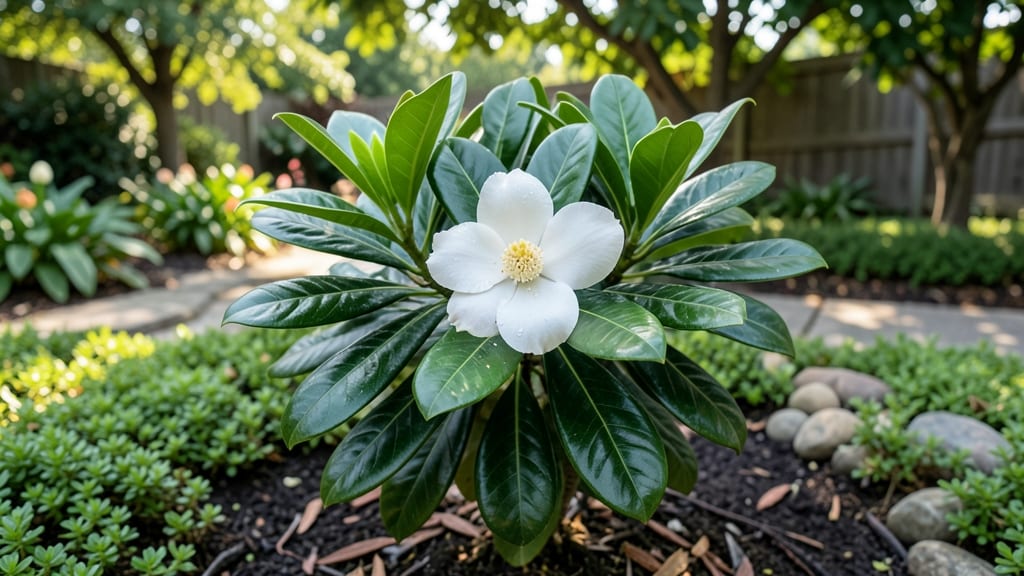
Gardenia plants grow beautifully both indoors and outdoors, but their needs differ significantly: outdoor gardenias flourish in warm climates with full sun and well-draining soil, while indoor gardenias require bright indirect light, humidity control, and regular misting to replicate their tropical habitat. Both environments demand consistent moisture and shelter from drafts.
Gardenia plants are tropical divas that adapt differently depending on whether they're basking in the sun outdoors or thriving under artificial light indoors. 🌿 Outdoors, they love warmth and direct sunlight for at least 6-8 hours daily, which helps trigger those fragrant blooms.
Indoors, however, you'll need to create a microclimate with a humidity tray or pebble tray to keep the air moist—these plants wilt quickly in dry indoor air. I've found that placing them near a bathroom with a hot shower running can work wonders for humidity without extra effort.
The key is understanding that while outdoor gardenias can handle more direct sun, indoor plants need gentle, filtered light to prevent leaf scorch.
Both settings share one critical need: consistent moisture. Gardenias hate soggy roots but also can't tolerate drought. I recommend watering when the top inch of soil feels dry, and always using room-temperature water to avoid shocking the roots.
For outdoor plants, mulching helps retain moisture, while indoor gardeners might benefit from self-watering pots. And remember—these plants despise drafts, so keep them away from windows that open frequently or air vents that blow directly on them.
💡 In This Article
- Climate and Light Needs for Indoor vs Outdoor Gardenias
- Practical Tips for Growing Gardenias in Pots or Gardens
Climate and light needs for indoor vs outdoor gardenias
Outdoor gardenias thrive in USDA Hardiness Zones 8-11, where temperatures stay above 40°F year-round. These plants crave full sun exposure (6-8 hours daily) to fuel their blooming cycles, but they also appreciate afternoon shade in scorching climates to prevent leaf burn.
The ideal outdoor temperature range for active growth is 65-85°F, with nighttime temps above 55°F to prevent bud drop. In their natural tropical habitats, gardenias receive gentle rainfall and high humidity, which is why outdoor plants in dry climates need supplemental watering during drought periods.
Indoor gardenias, however, require a completely different approach to light. While they still need bright, indirect sunlight, direct exposure—especially through south-facing windows—can scorch their delicate leaves. The best indoor locations are near east or west-facing windows where light is intense but filtered.
Artificial grow lights (full-spectrum LEDs) work well if natural light is insufficient, with 12-14 hours of light daily to mimic their outdoor growing season.
The key difference indoors is humidity: these tropical plants need 50-60% relative humidity, which is often lacking in heated homes. 💫 Without proper humidity, leaves develop brown edges and buds fail to open.
Temperature control indoors is equally critical. Gardenias dislike sudden temperature swings, so keep them away from drafts, air conditioning vents, or heating ducts. The ideal indoor range is 65-75°F during the day and 55-65°F at night.
I've noticed that placing indoor gardenias on a heat mat (set to 65°F) during winter helps maintain root warmth, which encourages blooming. Outdoors, gardenias can handle slightly wider temperature fluctuations, but prolonged exposure below 50°F will cause leaf yellowing and bud abortion.
Humidity management is where indoor gardening gets tricky. While outdoor plants benefit from natural rainfall and dew, indoor gardenias often suffer from dry air. Solutions include placing the pot on a pebble tray filled with water, grouping plants together to create a microclimate, or using a humidifier nearby.
Misting leaves daily (especially in winter) helps, but avoid wetting the foliage for extended periods to prevent fungal issues. Outdoors, gardenias in humid climates (like coastal areas) rarely need extra care, but in arid regions, mulching helps retain soil moisture and maintain humidity near the plant's roots.
Both environments share one non-negotiable rule: consistent moisture. Gardenias have shallow root systems that dry out quickly, but they also hate soggy soil. The best approach is to water when the top inch of soil feels dry, using room-temperature water to avoid shocking the roots.
Outdoors, gardenias planted in well-draining soil with organic matter (like compost) thrive with deep waterings once or twice weekly, while indoor plants in pots may need watering every 3-5 days, depending on pot size and humidity levels. 🌿 The key is balance—too little water causes wilting, while overwatering leads to root rot, a common killer of gardenias in both settings.
One often-overlooked factor is airflow. While gardenias dislike drafts, they still need gentle circulation to prevent fungal diseases. Outdoors, this comes naturally from breezes, while indoors, a small fan on low speed (placed a few feet away) helps maintain airflow without creating drafts.
The goal is to replicate their natural tropical environment where they receive dappled sunlight, high humidity, and gentle breezes—just without the risk of sudden temperature drops that come with outdoor growing.