
Planting
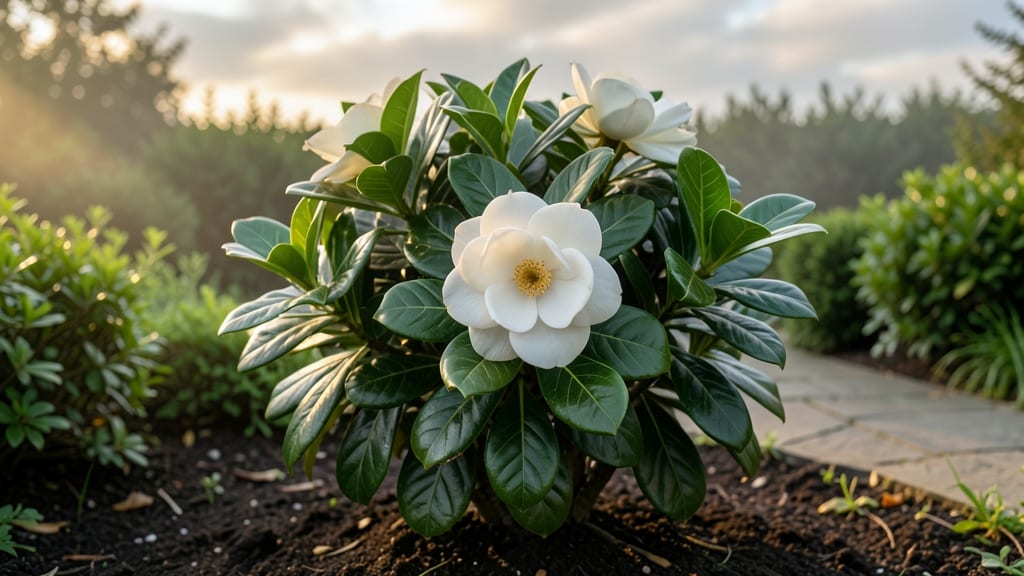
Gardenia plants can thrive in Zone 7 when given the right cold protection: choose sheltered planting spots, apply thick mulch layers, and use frost covers or containers during winter. Light pruning after blooming promotes stronger growth and more abundant flowers next season.
Zone 7 gardenias need special attention because their tropical roots can't handle temperatures below 25°F. 🌱 The key is creating microclimates—plant near south-facing walls or under evergreens to trap heat. For container gardenias, move them to protected garages or wrap pots in insulation.
I've seen gardenias survive winters in Zone 7 when given this extra care, often reblooming even stronger the following spring.
Don't forget that gardenias love acidic soil—amend with peat moss or pine needles if your soil tests neutral. In containers, use a mix of 1/3 peat moss, 1/3 perlite, and 1/2 potting soil to mimic their natural environment.
The right soil prep makes all the difference in how well they handle both heat and cold.
💡 In This Article
- How to Protect Gardenias from Zone 7 Freezes
- Best Practices for Year-Round Gardenia Care in Zone 7
How to protect gardenias from Zone 7 freezes
Gardenia roots are tropical natives that can't tolerate temperatures below 25°F, which is why Zone 7 winters pose a real threat. The damage occurs when cell membranes rupture from ice crystal formation, causing the plant to lose its ability to absorb water and nutrients.
This is particularly dangerous during late fall freezes when gardenias are still semi-dormant but not yet hardened off. 🌱 The key is understanding that gardenias enter a light dormancy in cooler months, but their roots remain sensitive to prolonged cold exposure.
Creating microclimates is your best defense—plant gardenias near south-facing walls or under evergreens where reflected sunlight and trapped heat can raise temperatures by 5-10°F during cold snaps. I've seen gardenias planted against brick walls survive winters with minimal protection, while those in open areas often suffer frost damage.
For container gardenias, move them to protected garages or wrap pots in 2-3 inches of bubble wrap or insulation foam before temperatures drop below 32°F. This extra layer can add 10-15°F of protection to the root zone.
Mulching is another critical technique—apply 4-6 inches of organic mulch like shredded bark or pine straw around the base in late fall. This creates an insulating blanket that maintains soil temperatures 5-8°F warmer than exposed ground.
For container plants, use a 1-inch layer of mulch on top of the soil surface and cover the entire pot with frost cloth or burlap.
The goal is to keep the root zone above 28°F, which is the threshold where gardenias begin showing cold damage symptoms like leaf browning or stem dieback.
What most gardeners don't realize is that gardenias can actually benefit from a light winter pruning—cut back any dead or damaged growth in early spring before new shoots appear. This helps redirect energy to root recovery and encourages more vigorous blooming later in the season.
However, avoid heavy pruning in fall as this stimulates new growth that's vulnerable to winter freezes. The right balance is crucial—too much pruning stresses the plant, while too little leaves it susceptible to fungal issues from dense foliage.
For those extreme Zone 7 winters where temperatures dip below 20°F, consider using heating cables wrapped around the base of container plants or buried in garden beds. These low-wattage cables provide just enough heat to prevent freezing without overpowering the plant.
Pair this with a 2-inch layer of straw mulch on top of your regular mulch for maximum protection. The combination of heat and insulation can make all the difference during those critical 24-hour freeze events that often determine whether your gardenias survive.
Remember that gardenias in containers are particularly vulnerable because their roots have less mass to retain heat. Always use pots with at least 12-inch diameter to give roots room to establish, and choose containers made from terracotta or plastic—both materials provide better insulation than metal.
When moving containers indoors for winter, place them in a location with bright indirect light and maintain 60-65°F temperatures to prevent shock from sudden temperature changes. 💫