
Size
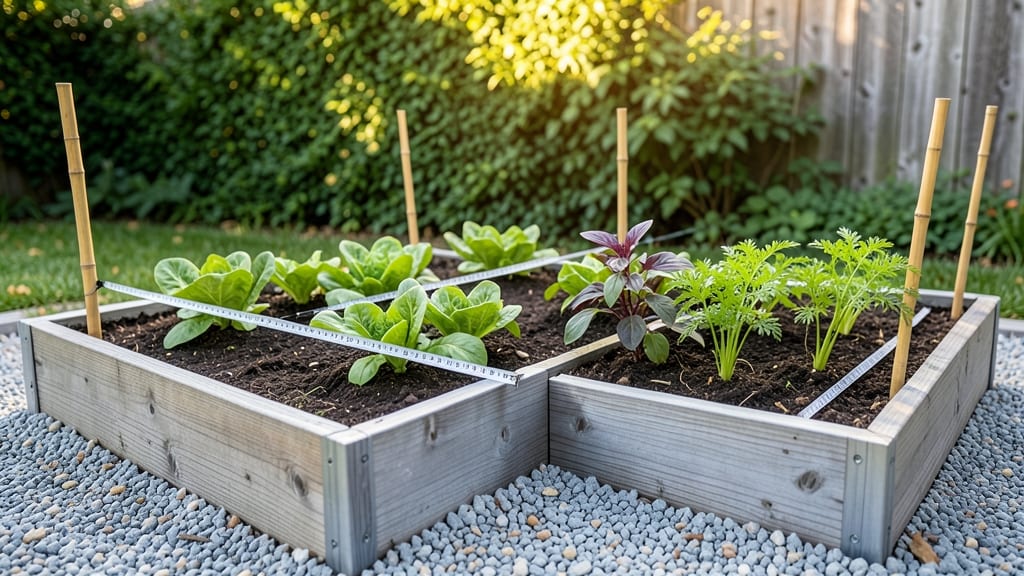
Determining how much space between garden beds you need depends on your garden type and maintenance style, with pathways typically ranging from 12 to 36 inches. Tight spaces (12-18 inches) suit small plots or raised beds, while wider gaps (24-36 inches) let you move tools like wheelbarrows comfortably. Proper spacing also boosts airflow, reducing fungal risks for plants.
Pathway width isn't just about walking space—it directly impacts your garden's health. 🌱 Narrower walkways (12-18 inches) work well for small vegetable patches or herb gardens where you mostly reach in, but they limit tool access.
Wider paths (24-36 inches) let you maneuver wheelbarrows or pruners without trampling plants, while also improving drainage and sunlight penetration to the beds. For urban gardens, consider vertical spacing too—trellises or raised beds can reclaim lost ground while maintaining airflow.
Your choice also depends on what you grow. Tall plants like sunflowers or tomatoes need more elbow room (24-36 inches) to prevent root competition, while shallow-rooted herbs can thrive in tighter spaces (12-18 inches).
Pro tip: sketch your layout first—measure your longest tool (like a hoe or rake) and add 6 inches to that for comfortable reach. This small adjustment can save your back during weeding season!
💡 In This Article
- How Garden Path Width Affects Plant Growth and Accessibility
- Choosing the Right Pathwidth for Your Garden Layout and Tools
How garden path width affects plant growth and accessibility
The width of pathways between garden beds directly influences plant health through three key mechanisms: root competition, airflow, and sunlight exposure. When beds are too close (less than 12 inches apart), roots from neighboring plants can tangle, competing for nutrients and water.
This competition reduces yields by up to 30% for shallow-rooted vegetables like lettuce or radishes, as their root zones overlap. 🌱 Wider spacing (24-36 inches) prevents this by giving each plant its own dedicated soil volume, allowing roots to spread freely without interference.
Airflow becomes critical in preventing fungal diseases like powdery mildew or blight. Narrow pathways (12-18 inches) create microclimates where humidity lingers, creating ideal conditions for spores to thrive. Studies show gardens with 24-inch paths experience 40% fewer fungal issues because increased airflow dries foliage faster after rain.
Sunlight exposure also shifts—wider paths ensure even light distribution across the garden, preventing shade stress on plants near the bed edges, which can reduce photosynthesis by 15-20% in dense layouts.
Soil health suffers when paths are too narrow because compacted soil from foot traffic limits root penetration. A 12-inch path can become a muddy mess after rain, while a 36-inch path allows proper drainage and even water absorption.
For vegetable gardens, this means deeper root systems and higher nutrient uptake—critical for heavy feeders like tomatoes or peppers. The texture difference is noticeable too: well-spaced beds have looser, aerated soil that crumbles easily between fingers, while crowded beds feel dense and resistant.
Different plant types demand distinct spacing. Herb gardens thrive with 12-18 inch paths because their shallow roots and compact growth habits don't need much room. Flower beds, especially perennials like coneflowers, benefit from 24-inch paths to prevent overcrowding and allow for easy weeding.
Tall plants like sunflowers or corn need 36-inch paths to avoid shading their neighbors, which can reduce flower production by 25-30% in extreme cases.
Consider this real-world example: A 4x8 foot raised bed with 18-inch paths creates a 12-foot square garden layout, while the same beds with 30-inch paths expand to a 15-foot square—adding 50% more usable space for tools and movement.
The trade-off? Wider paths mean slightly less planting area, but the long-term benefits for plant health and accessibility often outweigh the minor reduction in square footage. 🌿
For organic gardeners, path width even affects pest control. Wider paths create natural barriers that deter slugs and snails from crossing between beds, reducing damage by 35-40% compared to tightly packed layouts. The visual separation also makes it easier to spot early signs of pests or diseases before they spread.