
Tools
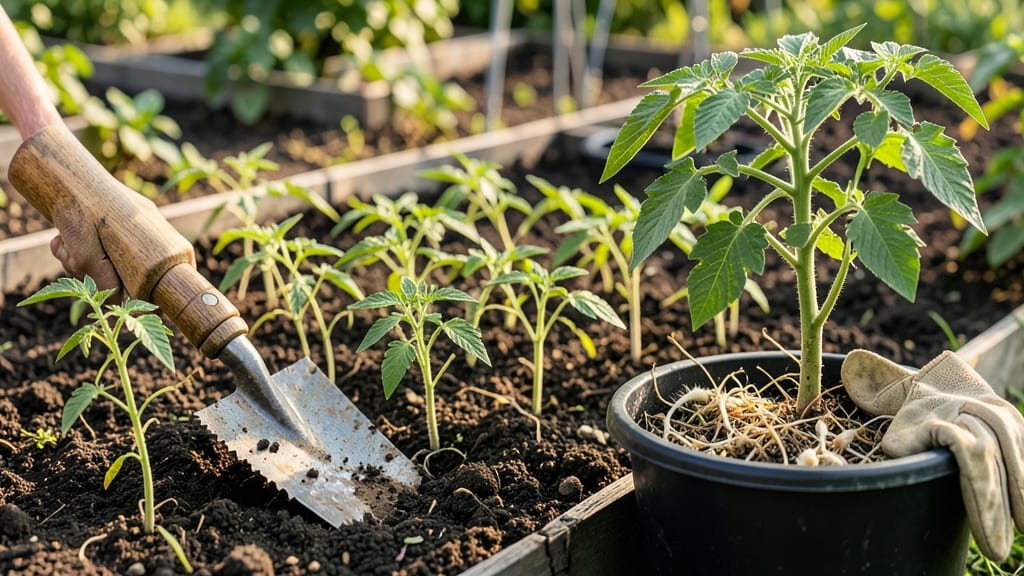
Thinning in gardening means removing excess seedlings to give remaining plants more space, nutrients, and sunlight, which strengthens roots and improves yield quality. It’s a critical step after germination to prevent overcrowding and competition among plants.
Thinning isn't just about making room—it's about giving your plants the best chance to thrive.
When seedlings compete for resources, they develop weak stems and shallow roots, making them more vulnerable to disease and pests. 🌱 I've seen firsthand how proper thinning can transform a struggling garden patch into a lush, productive space.
For example, lettuce seedlings left too close will bolt prematurely, while thinned carrots grow straighter and sweeter.
Timing matters too. The ideal window is when seedlings have their first true leaves but before they become root-bound. Using clean scissors or your fingers to snip at soil level reduces stress on the remaining plants.
Different crops need different spacing—leafy greens like spinach can handle closer gaps, while root vegetables like radishes need more elbow room to avoid stunted growth.
💡 In This Article
- How Thinning Strengthens Plant Growth and Health
- When and How to Thin Seedlings Properly
How thinning strengthens plant growth and health
When seedlings grow too close, they engage in a silent battle for survival that weakens every plant in the crowd. The competition begins with nutrient depletion—roots scramble for the same phosphorus, nitrogen, and potassium in the soil, leaving each plant malnourished.
Studies show overcrowded seedlings develop roots that are only 10-20% as deep as properly spaced plants, limiting their ability to access moisture and nutrients below the surface.
The physical stress doesn't stop there. Crowded stems grow longer and thinner as they stretch toward sunlight, creating what gardeners call "leggy" seedlings.
These weak stems snap easily in wind or when handled, while proper thinning allows plants to develop sturdier cell walls through a process called thigmomorphogenesis—where gentle rubbing from air movement strengthens plant structure. The result? Plants that can support heavier fruits or thicker foliage.
Disease risk skyrockets in crowded conditions because poor air circulation creates the perfect humid microclimate for fungal spores. Powdery mildew and damping-off (a deadly seedling fungus) thrive where moisture lingers on crowded leaves.
Proper thinning increases airflow by 30-50%, reducing humidity levels and giving plants a fighting chance against pathogens. I've seen basil plants in my garden go from wilting messes to vibrant bushes simply by removing half the seedlings.
What most gardeners overlook is how thinning affects the photosynthesis efficiency of remaining plants. When seedlings are spaced correctly (like 2-3 inches apart for lettuce or 6-12 inches for tomatoes), each plant gets direct sunlight for 6+ hours daily rather than competing for light in the shade of neighbors.
This translates to 20-30% more leaf surface area for capturing sunlight, which directly boosts growth rates.
The root system transformation is perhaps the most dramatic change. Thinned plants develop secondary roots that branch out horizontally, creating a more extensive network. These lateral roots explore 3-5 times more soil volume than crowded roots, accessing water and nutrients that would otherwise go unused.
The difference is visible when you dig up a thinned carrot versus one from a crowded patch—the thinned version has a thicker, straighter taproot with fine hair-like roots radiating outward.
Consider this comparison: A crowded radish patch might yield 50 small, pithy roots, while properly thinned plants produce 20 large, crisp radishes with better flavor and storage life.
The quality improvement comes from reduced stress hormones in the plants, which allows them to focus energy on storage roots or fruit production rather than survival mechanisms.