
Planting
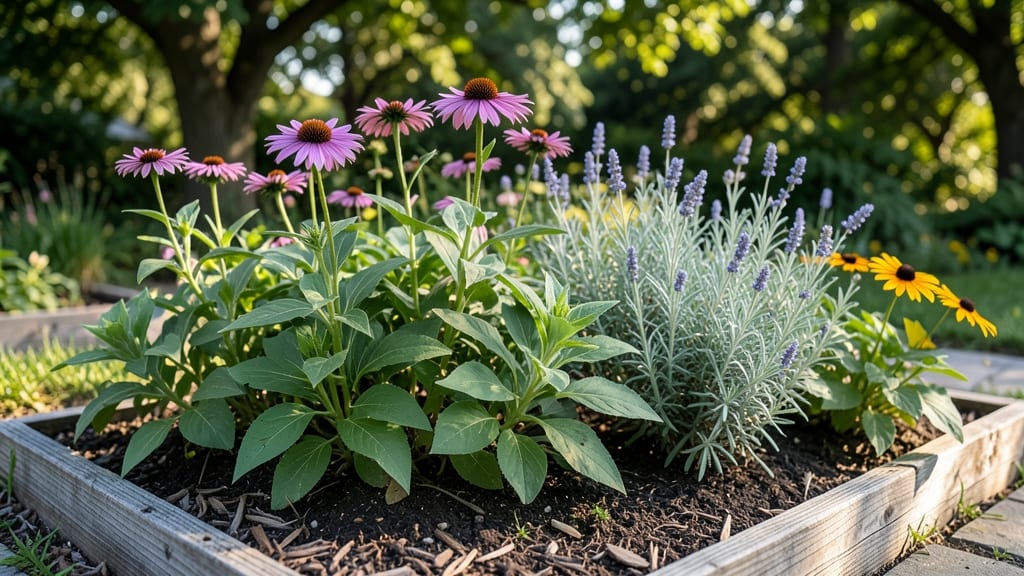
Zone 3 gardening thrives in cold climates with USDA Zone 3’s subzero winter lows, where hardy perennials, cold-tolerant vegetables, and evergreens excel. Focus on resilient plants like coneflowers, kale, and spruce trees to ensure year-round success despite harsh conditions.
Zone 3 gardening isn't just about surviving winter—it's about thriving in it.
The key lies in selecting plants that can handle temperatures dropping below -30°F, while still delivering vibrant blooms and bountiful harvests. 🌿 I've found that perennials like black-eyed Susans and Russian sage become the stars of the show, returning year after year with minimal care.
For vegetables, focus on cold-hardy greens like spinach and Swiss chard, which can often overwinter if protected by mulch.
The secret weapon in Zone 3 is layering plants strategically—tall evergreens behind delicate perennials not only creates visual interest but also provides windbreaks that protect tender plants from harsh winter winds. Dwarf Alberta spruce and blue star juniper are my go-to choices for this purpose, as they maintain their color even in freezing temperatures.
With the right plant selection and a few smart gardening techniques, you can create a landscape that stays beautiful and productive even when your neighbors are bundling up indoors.
💡 In This Article
- Understanding USDA Zone 3 Plant Hardiness
- Top Cold-Resistant Plants for Zone 3 Gardens
Understanding USDA Zone 3 plant hardiness
Zone 3's extreme cold—with average minimum temperatures between -30°F and -40°F—creates unique growing conditions that demand plants with specialized survival mechanisms. Unlike warmer zones, Zone 3 plants must endure prolonged freezing, rapid temperature swings, and short growing seasons (typically 90-120 days between last frost dates).
The USDA Plant Hardiness Map uses these temperature ranges to categorize plants by their cold tolerance, measured by their ability to survive unprotected winter conditions.
What makes a plant thrive in these conditions? The answer lies in their cellular adaptations. Cold-hardy plants produce antifreeze proteins that prevent ice crystal formation in their cells, similar to how some fish survive Arctic waters.
Evergreens like spruce trees also have thick, waxy needles that reduce water loss and insulate against freezing winds.
Perennials like coneflowers store energy in deep root systems, allowing them to regrow quickly once spring arrives. 💫 These adaptations explain why some plants flourish while others struggle in Zone 3's harsh winters.
Soil composition plays a crucial role too. Zone 3 gardens often have heavy clay soils that drain poorly, which can suffocate plant roots. Amending with organic matter like compost improves drainage while retaining moisture during the brief growing season.
The key is creating a balance—soils need to stay moist enough for root development but not waterlogged, as frozen ground prevents proper drainage. Mulching with 4-6 inches of straw or wood chips helps regulate soil temperature and protects roots from extreme cold fluctuations.
Timing is everything in Zone 3. The last spring frost typically occurs between May 10-20, while the first fall frost arrives by September 15-30, giving gardeners just a few months of active growth.
This short window requires careful planning—starting cold-tolerant vegetables indoors 6-8 weeks before the last frost and choosing fast-maturing varieties (like 30-day lettuce) that can produce harvests before winter sets in. The USDA map helps identify which plants have evolved to handle these precise conditions.
One common misconception is that all Zone 3 plants require heavy winter protection. While some delicate perennials benefit from burlap wraps or row covers, many native species—like wild bergamot or butterfly weed—thrive without intervention.
These plants have evolved alongside Zone 3's climate, developing natural resilience that eliminates the need for artificial protection. Understanding these distinctions is key to creating a sustainable, low-maintenance garden.
For those new to Zone 3 gardening, start with the map's 10°F increments to select plants within your specific microclimate. Urban areas often experience slightly warmer conditions than rural zones, so observing your local frost patterns for 3-5 years provides more accurate planting guidance than relying solely on the map.
This practical approach helps match plants to your garden's unique conditions. 🌱