
Light Requirements
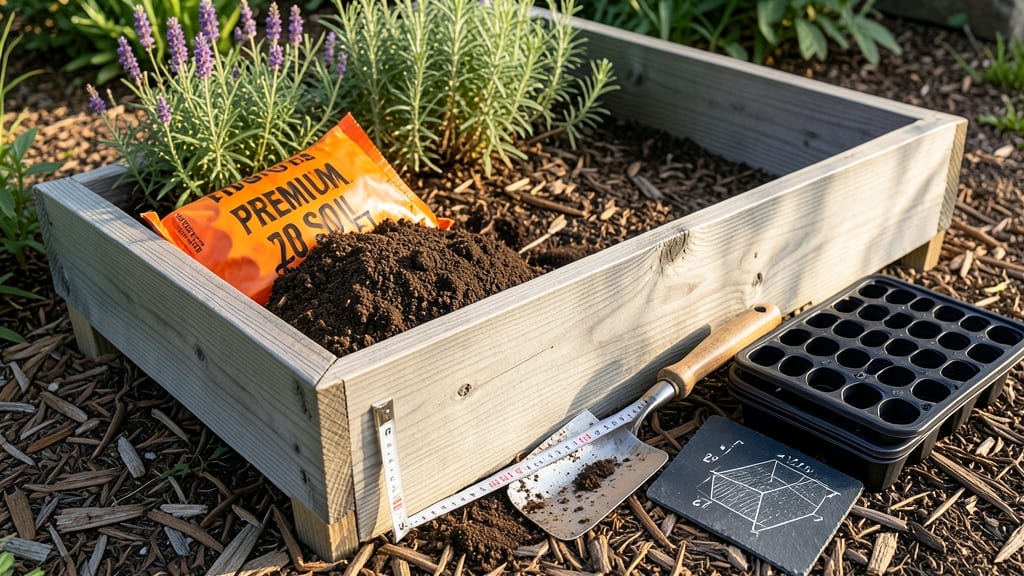
To determine how much dirt you need for your raised garden, calculate cubic feet by multiplying length, width, and depth (e.g., a 4’x8’x12” bed requires 32 cubic feet). Most bags hold 1-2 cubic feet, so plan for 16-32 bags plus 10-20% extra for settling and drainage layers.
Figuring out the right amount of soil for your raised garden starts with simple math, but there's more to it than just the numbers. First, measure your bed's dimensions in feet—most gardeners aim for 10-12 inches of depth to give plant roots plenty of room to grow.
The key is accounting for both the soil itself and the drainage layer (like gravel or rocks) at the bottom, which typically takes up 4-6 inches of that total height. 🌱 For example, if you're building a 4’x8’ bed with 12” of soil depth, you'll need about 32 cubic feet of soil, but you might also want to add 4-6 cubic feet of gravel for proper drainage.
This extra layer prevents waterlogging and helps roots thrive.
Once you've calculated your cubic feet, check bag sizes—most standard bags contain 1-2 cubic feet of soil. Buying a few extra bags is wise because soil settles over time, especially if you're using a mix with compost or organic matter.
Pro tip: if your garden is larger than 8’x4’, consider buying soil in bulk to save money and reduce trips to the store. Just make sure to store any extra soil in a dry, covered area to keep it fresh for your next planting season.
💡 In This Article
- Calculating Raised Garden Soil Volume by Dimensions
- Best Soil Mixes and Bag Quantities for Raised Beds
Calculating raised garden soil volume by dimensions
To calculate your raised bed's soil volume, start by converting all measurements to feet—this is critical because soil is sold by the cubic foot. For example, a 4-foot by 8-foot bed with 12-inch depth (1 foot) requires 32 cubic feet of soil (4 × 8 × 1 = 32).
However, most gardeners add a 4-6 inch drainage layer of gravel or rocks at the bottom, which reduces your usable soil depth by about 0.33-0.5 cubic feet per square foot of bed area. This drainage layer prevents waterlogging and ensures roots get oxygen.
The depth of your soil directly impacts plant health. Most vegetables and herbs thrive in 10-12 inches of soil, while deeper-rooted plants like tomatoes or asparagus need 18-24 inches. The deeper the soil, the more organic matter you can incorporate, which improves moisture retention and nutrient availability.
For instance, a 4’x8’x18” bed would need 48 cubic feet of soil, but you'd subtract 8 cubic feet for the drainage layer, leaving 40 cubic feet of planting soil. Always account for this when ordering!
Here's a pro tip: if your bed has sloped sides or uneven edges, add an extra 10-15% to your calculation to compensate for wasted space.
For example, a 3’x6’x12” bed would normally need 22 cubic feet, but with sloped sides, you might need 24-25 cubic feet to fill it completely. This extra soil ensures you won't run out mid-project and have to make multiple trips to the store.
Another factor to consider is soil compaction. When you first fill your raised bed, the soil may settle by 10-20% over time, especially if you're using a mix with compost or peat moss. To avoid shortages, always buy 10-20% more soil than your calculated volume.
For example, if your bed requires 32 cubic feet, order 36-38 cubic feet to account for settling and drainage layers. This buffer ensures your plants have enough root space from day one.
For visual learners, imagine stacking 12-inch cubes of soil—each cube represents 1 cubic foot. A 4’x8’ bed would require 32 of these cubes for 12 inches of depth. If you're using 2-cubic-foot bags, that's 16 bags, but remember to add extra for drainage and settling.
This mental image helps avoid underestimating your soil needs, especially for larger gardens.
Finally, consider the texture of your soil. Loose, airy mixes (like those with perlite or vermiculite) settle more than dense topsoil. If your recipe includes 30% compost or coconut coir, expect 15-20% more settling than with straight topsoil.
Always check the product label for settling percentages—some bags even advertise "pre-settled" mixes designed for raised beds.