
Light Requirements
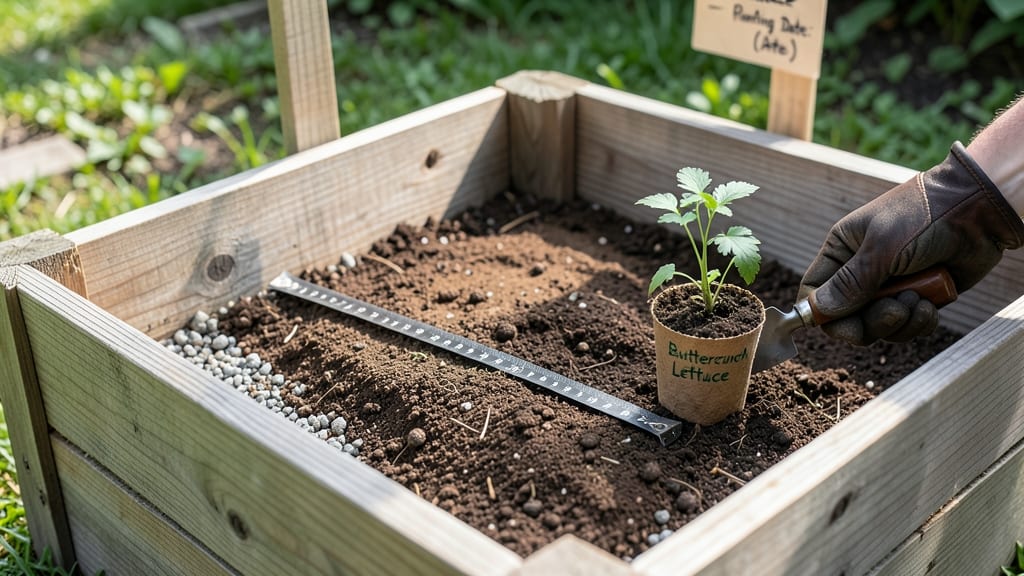
To determine how much dirt for a raised garden bed, multiply length × width × depth (in feet) and add 10% for settling. A 4×8×12-inch bed requires ~3.2 cubic feet, while a 4×4×12-inch bed needs ~2.7 cubic feet of premium gardening soil.
Figuring out how much soil you need starts with your bed's dimensions—most gardeners use 12-inch depth for root space, but deeper beds (18+ inches) may need 20-30% more to account for settling and drainage. 🌱 I always recommend buying 10-20% extra beyond calculations, since soil compresses over time and some brands sell by loose volume rather than settled cubic feet.
For example, a 6×6×12-inch bed would need ~4.3 cubic feet, but if you're using a mix with compost, you might need even more to maintain fertility.
💡 In This Article
- Calculating Soil Volume for Different Raised Garden Bed Dimensions
- Best Soil Mixes and Preparation Tips for Raised Garden Beds
Calculating soil volume for different raised garden bed dimensions
The exact amount of soil needed depends on your bed's dimensions and how you measure depth. Most gardeners use 12 inches as a standard depth because it accommodates deep-rooted vegetables like tomatoes and carrots while preventing soil compaction.
To calculate, convert all measurements to feet first—this is critical because cubic feet (the standard unit for soil sales) requires consistent units.
For example, a 4×8-foot bed with 12-inch depth (which is 1 foot) needs 3.2 cubic feet of soil, but if you use 18-inch depth, that jumps to 4.8 cubic feet.
Here's where most gardeners trip up: soil settles over time, especially if you use organic matter like compost.
A 10% buffer is standard for 12-inch beds, but deeper beds (18+ inches) may need 20-30% extra to account for both settling and drainage layer requirements. 🌱 For instance, a 4×4×18-inch bed would require 5.4 cubic feet of soil before settling, but after accounting for a 25% buffer, you'd need to purchase 6.75 cubic feet.
This extra volume ensures your plants won't suffocate as the soil compresses under watering and foot traffic.
Another key factor is the type of soil you're using. Bagged gardening mixes (like those labeled "raised bed mix") are typically sold by settled volume, meaning you can use the calculated cubic feet directly.
However, if you're mixing your own blend with 50% topsoil, 30% compost, and 20% perlite, the loose volume will be significantly larger before settling. In this case, I recommend buying 30-40% more than your calculation to avoid running short mid-project.
Visualizing this helps: imagine stacking three 12-inch-deep layers of soil in your bed. The bottom layer will compress the most under the weight of the top layers and plants.
This is why professional gardeners often recommend adding a 2-inch layer of coarse sand or gravel at the bottom for drainage—it prevents soil from compacting too tightly at the base. 💫 For example, a 3×6×12-inch bed would need 2.7 cubic feet of soil, but if you add a drainage layer, your total material volume increases to 3 cubic feet before accounting for settling.
Pro tip: always measure your bed's interior dimensions—not the outer frame—since the wood itself takes up space. A 4×8-foot frame might have a 3.5×7.5-foot planting area after accounting for frame thickness. This small difference can mean the difference between needing 3.5 cubic feet versus 4.2 cubic feet of soil.
Double-check with a tape measure before purchasing to avoid costly last-minute trips to the garden center.
For those using raised beds with built-in irrigation systems, factor in the 1-2 inches of space needed for pipes or tubing. This might seem minor, but in a 4×12-foot bed, it could add up to an extra 0.8 cubic feet of soil needed.
Always sketch your bed's layout before calculating to account for these hidden details.