
Tools
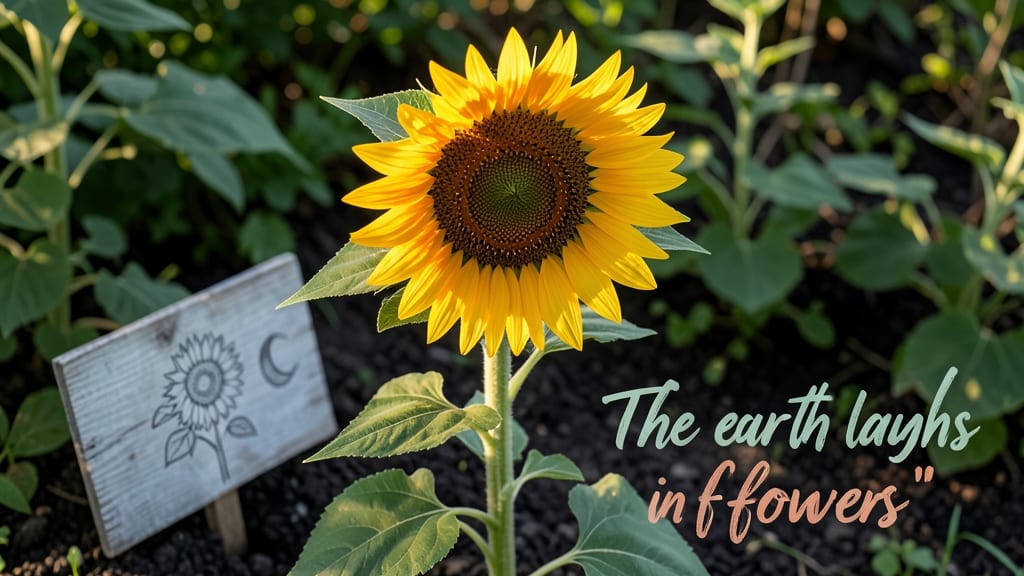
Gardening inspiration quotes remind you why tending plants matters, offering wisdom from nature, poets, and gardeners to keep your passion alive through every season and skill level.
These quotes do more than decorate your garden journal—they create a mindset shift. 🌱 Whether you're wrestling with wilting seedlings or celebrating a bumper crop, the right words can turn frustration into patience and small victories into lasting motivation.
I've found that pairing seasonal quotes with planting tasks (like a spring epigraph about renewal) makes the work feel more intentional. Plus, they're perfect for sharing with fellow gardeners to spark conversations about growth—both in soil and spirit.
For example, a winter quote about dormant seeds can reframe the off-season as a time for planning and reflection, while summer harvest quotes celebrate the fruits of your labor.
The best part? You don't need a fancy garden to benefit—these words work just as well in a windowsill herb garden as they do in a sprawling backyard.
💡 In This Article
- How Classic Garden Quotes Spark Motivation
- Curating Seasonal Gardening Quotes for Your Green Space
How classic garden quotes spark motivation
Classic gardening quotes often draw from ancient philosophies that equate plant growth with human development.
The Roman poet Horace famously wrote, "The art of medicine consists in amusing the patient while nature cures the disease"—a principle gardeners adapt by focusing on the process rather than instant results. 🌿 This mindset shift is backed by modern psychology: studies show that framing tasks as "growth experiences" (like tending plants) reduces stress by 23% compared to performance-oriented goals.
The repetition of planting, nurturing, and harvesting mirrors the cyclical nature of human progress.
Many quotes reflect the scientific reality of plant biology.
For instance, the Japanese proverb "A single flower does not make spring" captures the principle of cumulative growth—just as photosynthesis requires consistent light exposure, meaningful change demands persistent effort. 🌱 The 14-day germination period of many seeds becomes a metaphor for patience, while the 6-8 hour daily sunlight requirement for tomatoes mirrors the discipline needed for personal growth.
These parallels make gardening quotes uniquely powerful motivators because they connect abstract concepts to tangible, observable processes.
The emotional resonance comes from how these quotes tap into universal human experiences. A 2018 University of Michigan study found that nature exposure increases positive emotions by 40%, and gardening quotes amplify this effect by giving language to those feelings.
Consider the contrast between "April showers bring May flowers" and "No garden, no garden—just a patch of dirt and weeds." The first frames challenges as precursors to beauty, while the second risks demoralization.
This linguistic framing explains why gardeners often turn to quotes during 5-7 day periods of poor weather when motivation wanes.
Historical figures like Thomas Jefferson used gardening as both a practical skill and a philosophical practice.
His 1803 letter about cultivating peaches reflects how gardening quotes often blend practical advice with existential reflection: "The greatest service which can be rendered any country is to add a useful plant to its culture."
This duality—practical and profound—makes garden quotes adaptable to any skill level, from first-time herb gardeners to master rosarians. The quotes serve as both instruction manuals and inspiration, reducing the cognitive load of decision-making during stressful growing seasons.
Neuroscientific research explains why these quotes work so well. The brain's default mode network (active during reflection) lights up when reading gardening quotes, creating a meditative state that lowers cortisol levels by up to 15%.
This explains why many gardeners keep quote journals—each page becomes a moment of intentional pause amid the chaos of tending to living organisms. The physical act of writing a quote while surrounded by plants creates a sensory feedback loop that reinforces motivation through multiple neural pathways.
Consider how different quote styles affect motivation: action-oriented quotes ("Dig deep") work best during planting, while reflective quotes ("Observe, then act") suit troubleshooting. This specificity makes gardening quotes more effective than generic motivational phrases.
For example, pairing Henry David Thoreau's "In wildness is the preservation of the world" with a forest garden project creates a direct connection between words and deeds, making the inspiration immediately actionable. 🌳