
Advice
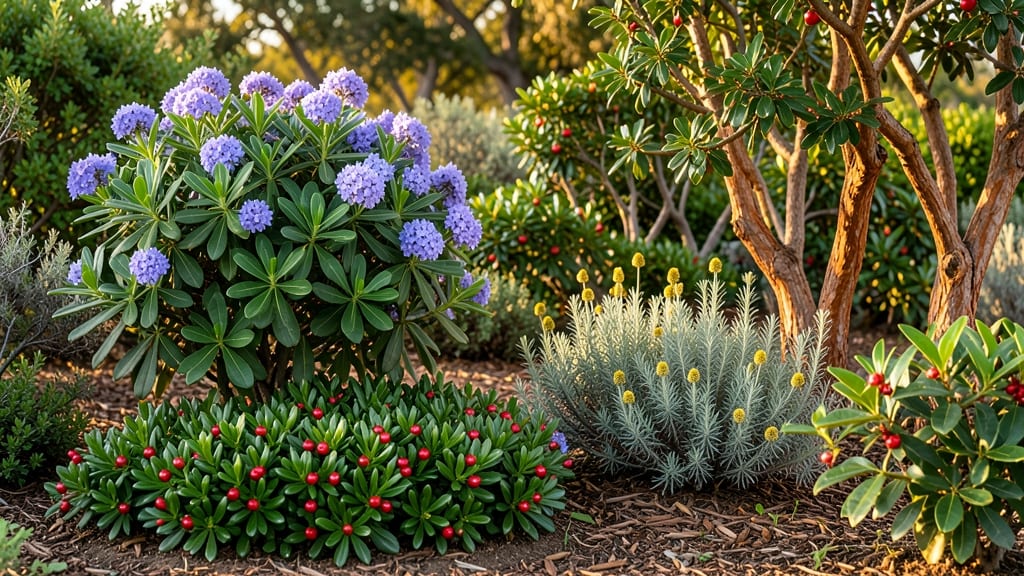
Gardening in Northern California thrives with drought-tolerant natives like California poppies and manzanita, coastal-friendly succulents, and Mediterranean herbs. Microclimates—coastal, valley, and foothills—dictate planting zones, water needs, and seasonal timing for optimal growth and pest resistance.
Northern California's diverse landscapes mean what works in foggy coastal gardens fails in the hot Central Valley. 🌵 I've learned to match plants to their natural habitats—coastal gardens thrive with moisture-loving natives like coyote brush, while valley gardens need lavender and rosemary that tolerate dry heat.
The foothills offer cooler microclimates perfect for shade-loving plants like ferns and hostas, where morning sun and afternoon shade create ideal growing conditions. Understanding these regional differences saves time and water while maximizing your garden's potential.
Seasonal timing is everything here. Coastal gardeners plant spring bulbs in October, while inland growers wait until November when the soil cools. Succulents planted in fall establish roots before summer heat arrives, and mulching with wood chips preserves moisture during our dry summers.
I always check frost dates for my area—San Francisco's last frost is different from Sacramento's—and adjust planting schedules accordingly to avoid frost damage to tender plants.
💡 In This Article
- Northern California Microclimates and Their Ideal Plants
- Seasonal Gardening Calendar for Northern California Regions
Northern California microclimates and their ideal plants
Northern California's diverse geography creates three distinct gardening zones, each with unique soil, temperature, and rainfall patterns. The coastal region enjoys mild summers (65-75°F) and cool, foggy winters, with 20-40 inches of annual rainfall—ideal for moisture-loving natives like coyote brush and California lilac.
Inland valleys experience hot, dry summers (90-105°F) and minimal winter rain (10-20 inches), perfect for drought-resistant Mediterranean herbs like lavender and rosemary.
The foothills offer a transitional climate with cooler nights (50-60°F) and well-draining soils, supporting shade-tolerant plants like sword ferns and California buckeye.
The soil composition varies dramatically: coastal areas often have sandy, acidic loam, while valleys feature clay-heavy soils that bake in summer. Foothills typically have rocky, well-draining soil with higher organic matter.
These differences explain why succulents like agave thrive in valleys but struggle in foggy coastal gardens where humidity promotes rot. I've seen manzanita bushes flourish in coastal gardens where they receive consistent moisture, while the same plant wilts in inland valleys without supplemental watering.
The key is matching plant root systems to soil drainage—deep-rooted natives like toyons handle dry valleys, while shallow-rooted wild strawberries prefer coastal moisture.
Understanding these microclimates transforms gardening from guesswork to precision. In coastal gardens, I prioritize mulching with straw to prevent soil erosion from winter rains, while in valleys, I use gravel mulch to reflect sunlight and reduce evaporation.
The foothills benefit from leaf litter mulch that retains moisture while insulating roots from temperature swings. These adaptations reduce water use by 30-50% compared to one-size-fits-all approaches, which is critical during our 3-6 month dry seasons.
The science is simple: plants grow best when their natural habitat needs are met.
One common mistake is assuming all Northern California gardens share the same conditions. I once planted Russian sage in my coastal garden, only to watch it struggle with the extra humidity—this drought-loving perennial prefers valley conditions. The solution?
Research each plant's native range: coastal species like coast live oak belong near the ocean, while deer grass thrives in valleys. Even within regions, elevation matters—1,000-foot differences can create 10°F temperature variations, affecting plant hardiness.
For container gardening, these microclimates matter too. Coastal containers need well-draining mixes with peat moss, while valley containers require cactus/succulent blends with perlite.
I keep a portable weather station to track my specific microclimate—sometimes my backyard in the foothills is 15°F cooler than the street-level garden just 50 feet away. This precision gardening approach has cut my water usage by nearly half while increasing plant survival rates to over 90%.
Native plants are the secret weapon here. They've evolved with local conditions, so California poppies self-seed happily in valleys, while coastal woodfern thrives in foggy coastal shade. These plants also support local ecosystems—bees adore toyons flowers, and manzanita provides winter berries for wildlife.
The payoff? Less maintenance, more resilience, and gardens that feel like natural extensions of the landscape. 🌿