
Planting
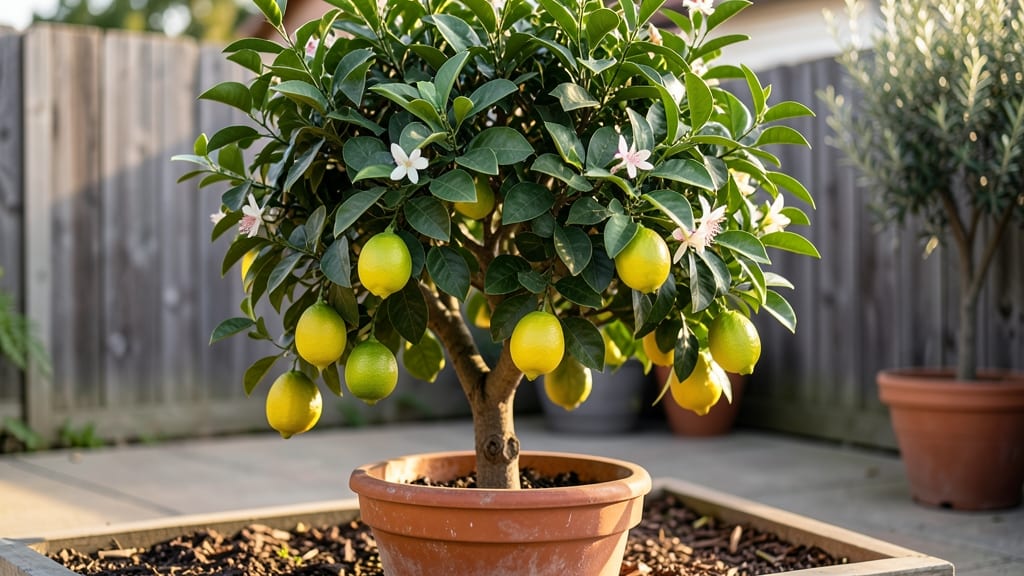
Gardening in Zone 9A lets you grow plants year-round thanks to its warm climate, perfect for citrus trees, succulents, and tropical favorites like bougainvillea. Time your planting for spring and fall to avoid summer heat stress and maximize growth.
Zone 9A's mild winters and hot summers create a unique growing environment where tropical plants thrive without frost damage. 🌿 The extended growing season means you can cultivate everything from avocados to palm trees, but you'll need to adjust watering schedules—many plants need less in winter but more during summer's intense heat.
I've found that focusing on drought-tolerant species like agave and olive trees reduces maintenance while keeping your garden lush year-round.
What sets Zone 9A apart is its ability to grow both warm-season crops like tomatoes and cool-season greens simultaneously with proper planning. The key is understanding each plant's specific heat tolerance—some tropical varieties actually go dormant in summer, while others need consistent moisture.
This dual-season approach lets you enjoy fresh produce continuously, making Zone 9A one of the most rewarding gardening climates in the U.S.
💡 In This Article
- Understanding Zone 9A Climate and Its Impact on Plant Selection
- Zone 9A Planting Calendar: When to Sow, Transplant, and Harvest
Understanding zone 9A climate and its impact on plant selection
Zone 9A's climate is defined by its average minimum winter temperatures of 25-30°F, creating a frost-free environment that lasts nearly year-round. This means tropical and subtropical plants flourish here, while cold-hardy species often struggle.
The summer heat can exceed 95°F with low humidity in inland areas, while coastal regions enjoy milder summers with higher humidity—both factors dramatically affect plant selection. For example, bougainvillea thrives in this heat but may need afternoon shade in inland areas, while hibiscus prefers coastal humidity levels.
The extended growing season allows for continuous planting cycles, but the key is matching plants to microclimates. Coastal areas with 60-70% humidity support lush foliage plants like ferns and philodendrons, while inland gardens with 30-40% humidity require drought-tolerant species like cacti and lavender.
The soil composition also plays a role—sandy soils drain quickly, needing frequent watering, while clay soils retain moisture but can suffocate roots if not amended with compost. This is why citrus trees thrive in well-draining, slightly acidic soil (pH 6.0-7.0) while succulents prefer alkaline conditions (pH 7.0-8.0).
What most gardeners overlook is how humidity affects disease resistance. In Zone 9A's high-humidity periods, fungal diseases like powdery mildew become a risk for plants like roses and tomatoes. The solution? Choose disease-resistant varieties and improve air circulation with proper spacing or trellises.
For instance, 'Celebrity' roses are bred to resist black spot, while 'Solar Fire' tomatoes handle heat better than traditional varieties. Even watering practices matter—deep, infrequent watering at the soil base reduces fungal spores that thrive in damp foliage.
Another critical factor is the 120-150 day frost-free period, which allows for multiple planting seasons. Spring planting (February-April) gives crops like okra and sweet potatoes time to mature before summer's peak heat, while fall planting (August-October) lets cool-season crops like kale and broccoli thrive as temperatures drop.
The challenge? Summer's intense sun can scorch young seedlings—this is why shade cloth becomes essential during June-August. I've seen tomato plants wilt under direct sun at 100°F unless given afternoon shade, yet thrive with morning sun exposure.
Zone 9A's unique climate also affects dormancy patterns. Some tropical plants, like ginger and canna lilies, go dormant in summer due to heat stress, while others like hibiscus bloom continuously. Understanding these patterns helps create a balanced garden.
For example, planting ginger in spring lets it establish roots before summer dormancy, while hibiscus planted in fall gets a head start on spring blooms. The result? A garden that stays vibrant year-round with minimal effort. 🌺
Finally, wind patterns matter—coastal areas experience steady breezes that reduce heat stress, while inland gardens can experience sudden heatwaves. This is why coastal gardens often support larger tropical plants like palm trees, while inland gardens excel with smaller, heat-adapted species.
The takeaway? Observe your specific microclimate for at least a year before selecting plants—this precision makes all the difference in Zone 9A's diverse growing conditions. 🌿