
Planting
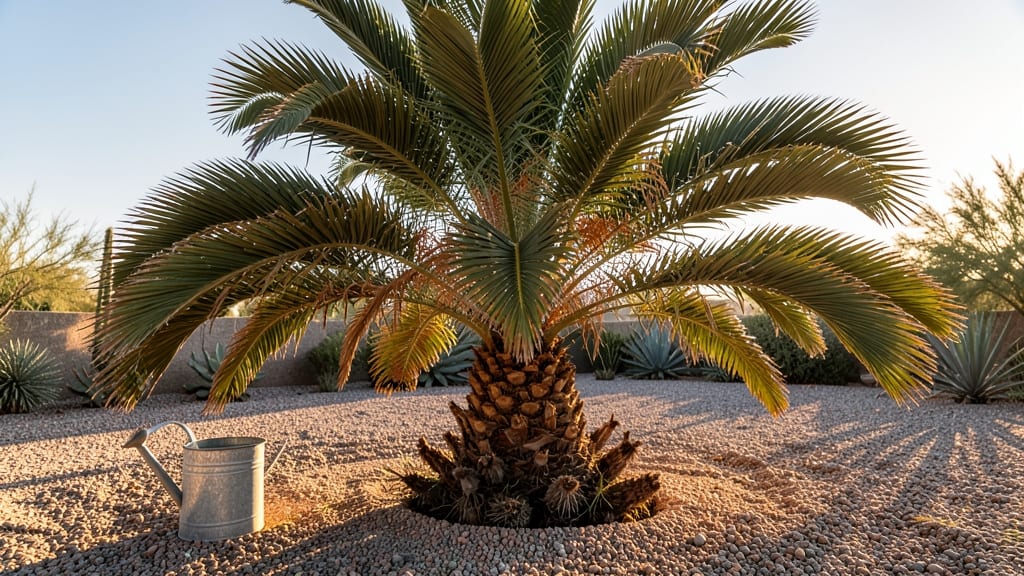
Gardening in Phoenix's USDA Zones 9b-10a means choosing hardy desert plants like desert marigold and palo verde trees, while avoiding frost-sensitive varieties. The best times to plant are fall or spring to sync with monsoon rains, and always use thick mulch to conserve water in extreme heat.
Phoenix's scorching summers and minimal rainfall create a unique challenge for gardeners. 🌵 The key is selecting plants that naturally thrive in these conditions, such as native desert species that require little water once established.
Unlike cooler climates, Phoenix gardens need soil amendments to improve drainage, as the heavy clay can trap moisture and lead to root rot. Urban areas often experience microclimates—heat islands where temperatures can spike even higher than rural zones, so positioning shade structures strategically becomes essential.
Understanding these conditions helps you create a garden that not only survives but thrives year-round. The right plant choices and soil prep make all the difference in turning your yard into a lush desert oasis.
💡 In This Article
- Phoenix Climate and Soil Conditions for Thriving Gardens
- 2024 Phoenix Planting Calendar: When to Sow, Transplant, and Harvest
Phoenix climate and soil conditions for thriving gardens
Phoenix's extreme desert climate—with summer temperatures routinely exceeding 110°F and less than 8 inches of annual rainfall—forces gardeners to prioritize plants that can withstand intense sun and drought. The USDA Zones 9b-10a designation means frost is rare, but heat stress is the real enemy.
Native species like palo verde trees and desert marigolds have evolved to thrive here, their deep root systems accessing groundwater while their waxy leaves minimize water loss. 💧 Unlike temperate climates, Phoenix's heat isn't just about temperature—it's about the relentless sun exposure that can scorch leaves within hours.
The soil in Phoenix presents another challenge: heavy clay that compacts easily, trapping moisture and suffocating roots. To combat this, gardeners often amend soil with organic matter like compost or coconut coir, which improves drainage and aeration.
A soil test reveals that native soils often have high pH levels (7.5-8.5), which can lock out essential nutrients like iron and manganese. Adding sulfur or acidic amendments can help balance the pH for plants that prefer slightly more neutral conditions, like citrus or vegetables.
Microclimates add another layer of complexity. Urban heat islands—areas with asphalt, concrete, and limited vegetation—can be 5-10°F hotter than surrounding rural zones. This means plants in a shaded backyard may thrive where those in a sunbaked front yard struggle.
Strategic placement of shade structures, windbreaks, or even reflective mulches can create cooler microenvironments. For example, a 3-foot-tall shade cloth can reduce soil temperatures by up to 20°F, making it possible to grow heat-sensitive crops like basil or lettuce in summer.
Water management is equally critical. Phoenix's monsoon season (July-September) delivers most of the year's rainfall, but the intensity can overwhelm unprepared gardens. Drip irrigation systems with timers set for early morning minimize evaporation, while mulching with 3-4 inches of gravel or wood chips helps retain moisture and regulate soil temperature.
Overwatering is a common mistake—most desert plants prefer "dry spells" between waterings to develop strong root systems.
Even with these adaptations, some plants simply won't survive Phoenix's conditions. Frost-sensitive species like impatiens or tropical hibiscus will bolt in summer heat, while shallow-rooted annuals like petunias wilt without constant moisture.
The key is selecting plants that match the local ecosystem, such as agave, yucca, or native grasses, which require minimal intervention once established. These species not only survive but often flourish with little more than occasional watering and protection from urban pollution.
For those who want to grow vegetables, the solution lies in seasonal timing. Leafy greens like kale or spinach thrive in cool winter months (November-February), while tomatoes and peppers prefer the milder spring (March-May) and fall (September-November) temperatures.
Succession planting—sowing new crops every 2-3 weeks—extends the growing season and maximizes yield in a climate where summer gardening is nearly impossible.