
Vegetables
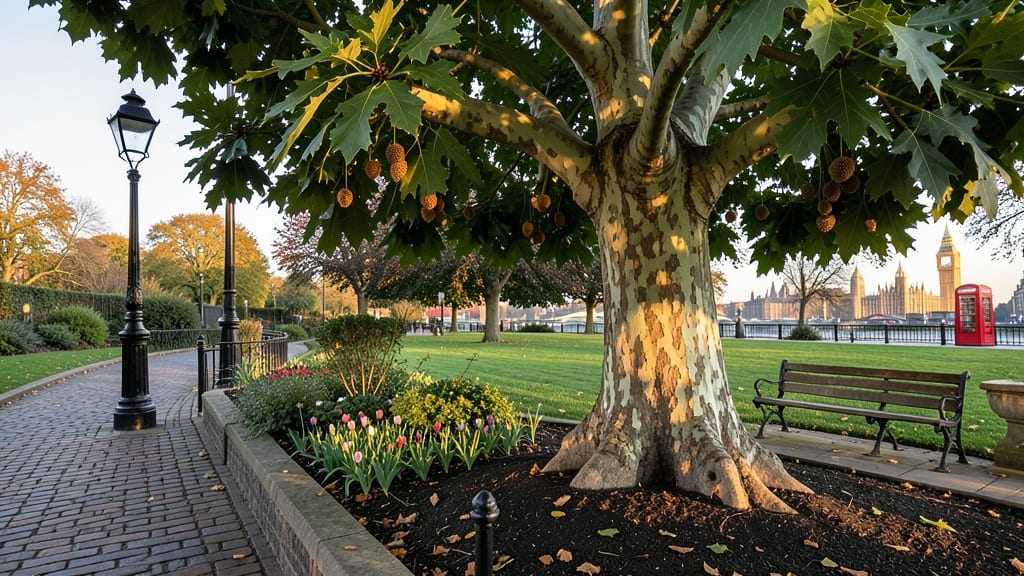
The gardens in London England showcase world-famous green spaces like Kew Gardens, Hyde Park, and the Royal Botanic Gardens, where historic charm meets vibrant plant collections and peaceful landscapes for every type of visitor.
London’s gardens aren’t just pretty—they’re living museums where history and nature collide. 🌿 Kew Gardens, with its 13,000 plant species, feels like a global rainforest, while Hyde Park’s 350-acre expanse hosts everything from summer concerts to rare bird sightings.
What’s special is how these spaces adapt: Chelsea Physic Garden’s medicinal plants date back to 1673, yet today it’s a hub for modern conservation research. Many gardens also offer free entry, making them accessible year-round for picnics, photography, or quiet reflection.
Pro tip: Visit in spring for cherry blossoms or autumn for golden foliage—both seasons transform these spaces into postcard-perfect backdrops. 🌸 The lesser-known Hampstead Heath’s wildflower meadows provide a stark contrast to the manicured Royal Parks, proving London’s green diversity extends far beyond the usual tourist spots.
💡 In This Article
- London’s Most Historic and Botanically Rich Gardens
- How to Plan Your London Garden Visits Like a Local
London’s most historic and botanically rich gardens
London’s gardens aren’t just green spaces—they’re living archives of botanical science and royal history. Kew Gardens, established in 1759, houses over 13,000 plant species from every continent, including rare specimens like the 100-year-old giant sequoia in its Temperate House.
What makes it unique is its global conservation work: Kew’s Millennium Seed Bank preserves seeds from endangered plants worldwide, ensuring biodiversity survives climate threats. The Iron Bridge, a 19th-century structure spanning the treetops, showcases Victorian engineering while offering panoramic views of the 300-acre landscape.
The Royal Botanic Gardens, Kew’s sister site, specializes in medicinal plants and scientific research. Its Medicinal Plants Unit studies compounds like quinine from cinchona trees, which revolutionized malaria treatment in the 19th century.
The Tropical Nursery, with its humid, steamy environment, mimics rainforest conditions—you’ll feel the 80% humidity as you walk past towering palms and orchids.
Nearby, Chelsea Physic Garden (founded 1673) focuses on herbal remedies, where you can still see foxglove (used for heart medicine) and opium poppies growing alongside lavender and rosemary.
Hyde Park’s 350 acres tell a different story—one of royal leisure and public access. Originally a hunting ground for Henry VIII, it became a public park in 1835 after a petition by 10,000 Londoners.
Today, its Serpentine Lake (a 106-acre reservoir) hosts swimming competitions, while the Speakers’ Corner remains a legendary free-speech forum since 1872.
The park’s seasonal transformations are dramatic: 20,000 cherry blossoms bloom in spring, and autumn turns the Great Lawn into a golden carpet. 🌿 The Royal Parks Foundation manages these spaces, balancing conservation with modern needs—like hosting 250 events annually, from concerts to yoga sessions.
What sets London’s gardens apart is their layered history. Take the Royal Parks: Kensington Gardens’ Peter Pan statue sits beside Queen Caroline’s Temple, a neoclassical ruin built in 1734 as a retreat for the king’s consort.
Meanwhile, Hampstead Heath’s wildflower meadows (home to 1,000 plant species) thrive thanks to no-mow policies in certain areas, creating a haven for bees and butterflies. These gardens prove London’s green spaces are both scientific treasures and living classrooms, where every path tells a story.
Architecturally, these gardens dazzle too. Kew’s Palm House, a 200-foot-long glasshouse, uses iron-and-glass Victorian engineering to create a tropical paradise. Inside, 1,500 plants thrive under controlled humidity, their leaves glistening with dew-like moisture.
Nearby, the Royal Botanic Gardens’ glasshouses replicate five global climates, from desert to rainforest. Even the fences and gates carry history: Hyde Park’s black railings (installed in 1826) were originally meant to keep out cattle—not crowds!
For visitors, the magic lies in the sensory details. At Kew, the aroma of magnolias in spring mixes with the rustling of palm fronds in the Palm House. In Chelsea Physic Garden, the earthy scent of thyme contrasts with the sweet fragrance of jasmine.
These gardens aren’t just places to walk—they’re immersive experiences where every season offers something new. Whether you’re tracking rare orchids or simply enjoying a picnic under 300-year-old oaks, London’s gardens deliver both wonder and wisdom. 🌺