
Vegetables
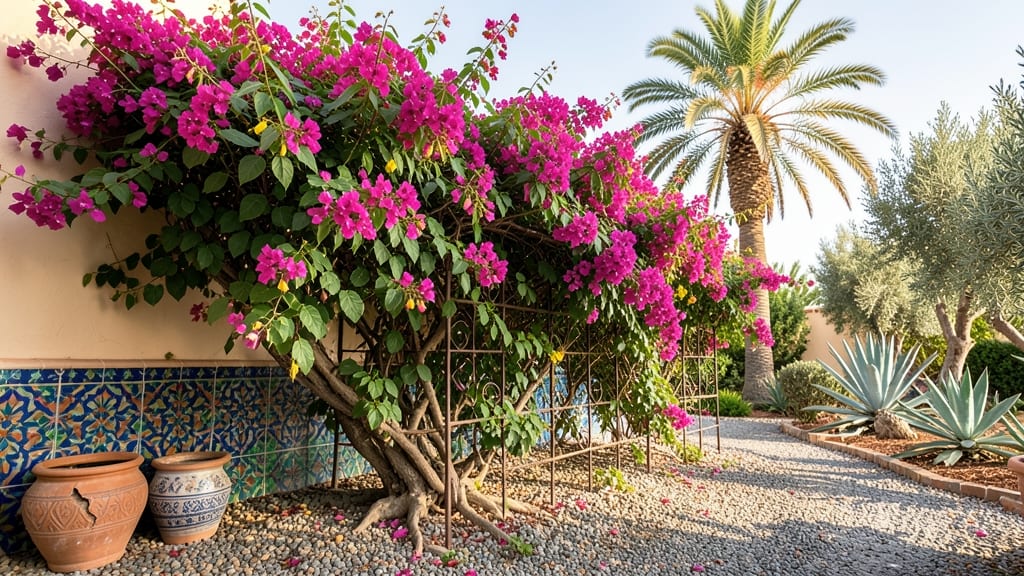
The Gardens of Marrakech blend Moroccan architecture with indigenous flora like bougainvillea and pomegranate trees, creating serene escapes through geometric water features and shaded courtyards that honor centuries of Islamic horticultural traditions and Berber agricultural wisdom.
The Gardens of Marrakech are masterpieces of sustainability, where every plant and water feature serves a purpose beyond beauty. 🌿 These spaces use traditional techniques like qanats (underground water channels) to conserve moisture while supporting drought-resistant species that thrive in the arid climate.
The combination of fragrant jasmine and vibrant bougainvillea isn't just decorative—it's a carefully curated ecosystem that reflects centuries of adaptation to the region's unique environment.
What makes these gardens truly special is how they balance form and function. The geometric water features aren't just for aesthetics—they create microclimates that keep the air cool and plants hydrated.
I've seen firsthand how these designs can transform even the hottest days into peaceful retreats, making them a model for modern sustainable landscaping.
💡 In This Article
- Moroccan Oasis Architecture and Water Designs
- Drought-Resistant Plants Thriving in Marrakech Gardens
Moroccan oasis architecture and water designs
The heart of Marrakech's gardens lies in their qanats, ancient underground water channels that date back to the 8th century. These systems transport water from distant mountain sources through a series of gently sloping tunnels, maintaining a consistent 1-2% grade to prevent evaporation.
The water emerges through strategically placed fountains that create mist, cooling the air by up to 5-10°F through evaporative cooling—a principle still used in modern desert architecture.
You'll notice how these gardens use geometric water features that serve multiple purposes. The reflective pools aren't just decorative—they create visual illusions that make spaces appear larger while doubling the cooling effect. The mashrabiya (wind-catching towers) channel breezes through intricate lattice designs, directing airflow to specific garden areas.
In traditional riads, these towers often sit above central courtyards, creating natural ventilation that reduces reliance on artificial cooling.
What makes these designs so effective is their water conservation at every level. The qanats lose only about 1% of water per kilometer due to their underground routing, while surface water features are designed with recirculating systems that minimize waste.
Modern adaptations now incorporate drip irrigation and rainwater harvesting, proving these ancient techniques remain relevant in contemporary sustainability efforts.
The layout of these gardens follows strict Islamic geometric principles that create harmony between man and nature. The four-part division (common in Moroccan gardens) represents the four rivers of paradise from Islamic tradition, while the interlocking patterns prevent water from pooling in one area—critical for preventing mosquito breeding.
This symmetry isn't just aesthetic; it's a functional response to the region's 300+ sunny days per year.
Consider how the shaded courtyards work—thick stone walls and mosaic tile canopies block 90% of direct sunlight while allowing diffused light to filter through.
The materials themselves tell a story: pink limestone reflects heat while blue ceramic tiles absorb and slowly release moisture, creating a microclimate that supports plant life in the otherwise harsh climate.
One fascinating detail is how these gardens use thermal mass—the thick stone walls absorb heat during the day and radiate it slowly at night, moderating temperature swings that can exceed 30°F between day and night.
This passive cooling technique was so effective that it influenced Andalusian gardens in Spain and even modern adobe architecture in the American Southwest.