
Container Gardens
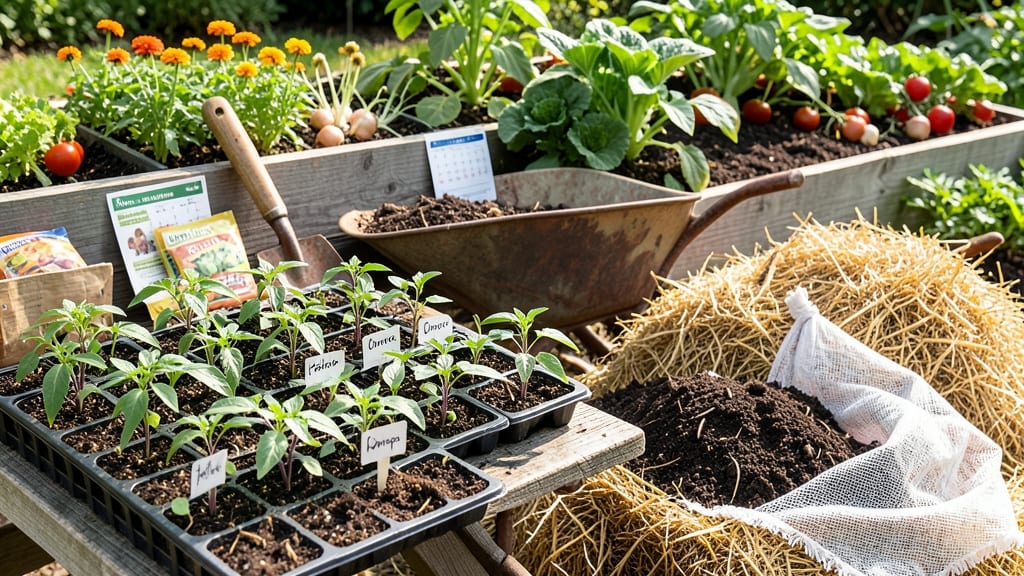
To plant gardens in Ohio, timing is everything—cool-season crops like lettuce and peas go in by early March in Zone 6a/6b, while tomatoes and peppers wait until after the last frost in mid-April.
Ohio’s unpredictable spring weather can turn your gardening dreams into a guessing game—unless you know the exact frost-free timeline for your zone. Planting too early risks frost damage, while waiting too long shrinks your harvest season.
Here’s your data-driven guide to mastering Ohio’s planting schedule by crop type, from cool-season greens to heat-loving vegetables, plus how to adjust for your specific microclimate.
You’ll learn the best months for each plant, how to extend your growing season with simple tricks, and when to turn to Ohio State University Extension for local tweaks.
Ohio’s frost-free dates by hardiness Zone: your planting calendar
Ohio spans USDA Hardiness Zones 5a through 6b, meaning frost dates vary dramatically from northern Cleveland (Zone 5b) to southern Cincinnati (Zone 6a). These differences determine whether your tomatoes thrive or your peppers bolt—or worse, freeze overnight.
The key? Knowing your last spring frost and first fall frost dates, then adjusting for your microclimate.
Urban areas like Columbus and Dayton often experience earlier last frosts (mid-April) due to the "urban heat island" effect, while rural Appalachian regions can linger in frost until late April or early May. Even within a single county, valleys hold cold air longer than hilltops.
Use the USDA Plant Hardiness Map to pinpoint your exact zone, then add or subtract 7–14 days based on your local patterns.
Pro Tip: Check Ohio State University Extension’s local frost date records for your county—some areas average 150 frost-free days, while others stretch to 180 days. For example, Toledo (Zone 6a) typically has 10 more frost-free days than Youngstown (Zone 5b).
Here’s your zone-by-zone breakdown of Ohio’s frost dates, including planting windows for cool-season vs. warm-season crops. Urban gardeners should shift these dates 3–5 days earlier, while rural gardeners should err on the later side.
📅 Summary Table: Ohio Frost Dates by Zone
| Zone | Avg. Last Frost | Avg. First Frost | Frost-Free Days | Cool-Season Planting | Warm-Season Planting |
|---|---|---|---|---|---|
| 5a (Northeast OH) | May 1–10 | October 10–20 | 150–160 | April 1–15 | May 20–June 1 |
| 5b (Cleveland/Akron) | April 25–May 5 | October 5–15 | 160–170 | March 25–April 10 | May 10–20 |
| 6a (Central OH) | April 15–25 | October 1–10 | 170–180 | March 15–April 1 | April 25–May 10 |
| 6b (Southwest OH) | April 10–20 | September 25–October 5 | 180–190 | March 1–March 15 | April 15–25 |
For Zone 5a gardeners, this means spinach and peas can go in as early as late March, but tomatoes and peppers must wait until after May 1.
In Zone 6b, you can start warm-season crops like cucumbers by April 15—a full month earlier than northern Ohio. Always use row covers or cold frames to push these windows further if needed.
Microclimates matter more than zones. A south-facing slope warms up 2–3 weeks earlier than a north-facing valley, while urban sidewalks can delay frost by 5–7 days. Test your soil temperature: Warm-season crops need soil at 60°F+ for 2+ weeks, while cool-season crops tolerate 40–50°F soil.
Use these dates as a starting point, not a rulebook. Track your own frosts for 3 years to refine your schedule. For example, my Zone 5b garden in Akron had a late frost on May 10 one year but no frost after April 25
Best planting times for Ohio’s most popular vegetables and flowers
Now that you know Ohio’s frost dates, let’s get specific. Planting at the wrong time can mean wilted seedlings or bitter-tasting produce. For example, tomatoes planted too early bolt to flower, while lettuce sown too late bolts to seed.
Here’s your crop-by-crop planting guide, including too-early/too-late warnings and microclimate adjustments.
I’ve organized this by cool-season crops (plant before last frost) and warm-season crops (plant after last frost), with bonus tips for fall planting to extend your harvest. Remember: Zone 5a gardeners should wait 1–2 weeks longer than Zone 6b for warm-season crops.
- 1 Cool-Season Crops (March–April): Spinach, peas, lettuce, kale, broccoli, carrots. Too early = frost damage; too late = bolting (going to seed).
- 2 Warm-Season Crops (May–June): Tomatoes, peppers, cucumbers, beans, squash. Too early = stunted growth; too late = smaller harvests. Wait until soil is 60°F+.
- 3 Flowers (April–May): Marigolds (direct sow after frost), zinnias (wait until May), petunias (transplant after last frost). Too early = leggy, weak stems.
- 4 Fall Planting (August–September): Kale, carrots, radishes, spinach, broccoli. Too late = slow growth before frost. Use row covers to extend harvests into October.
- 5 Herbs (April–May): Basil (wait until soil is warm), parsley (plant in early spring), cilantro (sow in fall for best flavor). Too early = basil won’t thrive; too late = cilantro bolts.
Let’s dive deeper into the top 5 mistakes Ohio gardeners make with planting times. First, overestimating soil warmth: Even if air temps are mild, soil may still be too cold for warm-season crops. Use a soil thermometer—60°F+ is non-negotiable for tomatoes and peppers.
Second, ignoring microclimates: My Zone 6a garden in Columbus has a south-facing raised bed that warms up 2 weeks earlier than my north-facing in-ground plot.
For cool-season crops, aim to plant 4–6 weeks before your last frost date. This gives seedlings time to establish roots before cold snaps. For example, spinach sown in late March in Zone 5b will be ready to harvest by early May, just as warmer weather arrives.
Meanwhile, warm-season crops like tomatoes should wait until after your last frost, but don’t delay too long—planting after June 1 risks smaller yields before frost.
Pro Tip: Use succession planting for crops like lettuce and beans. Sow half your seeds every 2 weeks to ensure a continuous harvest.
For example, plant 50% of your lettuce seeds in April and the rest in late May—this way, you’ll have fresh greens from May through October. The same strategy works for radishes and bush beans, which mature quickly.
Don’t forget fall planting! Many cool-season crops thrive when sown in late summer. For instance, kale and carrots planted in August will be ready for harvest by October or November, depending on your frost date.
Use row covers to protect tender greens like spinach from early frosts. My Zone 6a garden in Dayton still yields fresh kale through December with this trick.
Finally, adjust for your specific zone. If you’re in Zone 5a, wait until May 1 for tomatoes, but Zone 6b gardeners can plant as early as April 15. Always check Ohio State University Extension’s local frost records—some years, like 2021, had late frosts in May, while others, like 2012, had