
Planting
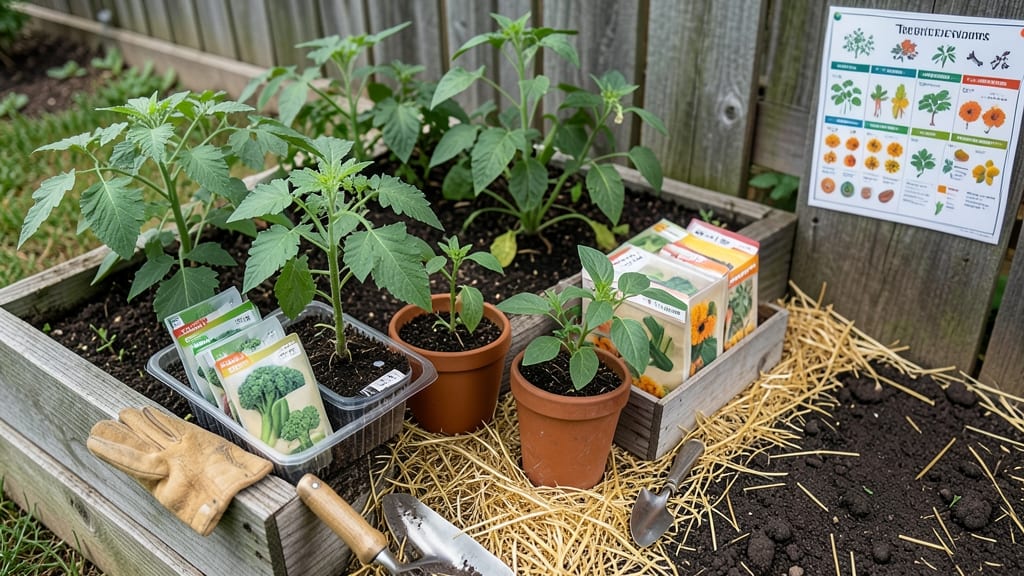
Planting your garden in Tennessee at the right time means the difference between a bountiful harvest and a wasted season—especially with the state’s varied microclimates.
Tennessee’s diverse microclimates—from the mountains to the Delta—mean your garden’s success hinges on planting at the perfect time. Get it wrong, and you risk stunted growth, pests, or total crop failure. But plant at the right moment, and you’ll enjoy lush harvests year after year.
Whether you’re sowing cool-season General Garden Plants 🌱 like spinach in late winter or warm-season tomatoes in early spring, timing is everything. The last frost typically hits around March 15 in most of the state, but East Tennessee’s higher elevations can delay planting by weeks.
Below, I break down the exact planting windows for your region, soil prep tips, and how to stretch your growing season—so you can avoid the costly mistakes I’ve made (and learn from them instead).
Tennessee planting zones & microclimates: when to start seeds vs. transplants
Tennessee spans USDA zones 6b through 7a, creating dramatic differences in planting times across just 200 miles. In the mountains of East Tennessee, frost lingers until mid-April, while West Tennessee’s Delta sees last frosts by mid-March.
These shifts mean your neighbor’s tomato transplant timing might be 3 weeks off from yours. Let’s break down the exact windows for your region.
For cool-season crops like kale and spinach, I recommend starting seeds indoors 4-6 weeks before your last frost date.
In East Tennessee (zone 6b), that’s mid-February, while West Tennessee (zone 7a) gardeners can begin late January. Transplants go in the ground 2-3 weeks before your last frost—late March in the mountains, early March in the Delta.
Warm-season crops like tomatoes and peppers need to wait until soil temperatures hit 60°F. In Middle Tennessee, that’s typically mid-April, but East Tennessee’s cooler soils may delay planting until early May.
Always check soil temperature with a probe—cold soil stunts roots even if air temps are warm.
Here’s your region-specific planting timeline at a glance:
| Region & Zone | Last Frost Date | Start Cool-Season Seeds (Indoors) | Transplant Cool-Season Crops | Plant Warm-Season Seeds (Outdoors) |
|---|---|---|---|---|
| East TN (Zone 6b) | Mid-April | Mid-February | Late March | Early May |
| Middle TN (Zone 7a) | Early April | Late January | Early March | Mid-April |
| West TN (Zone 7a) | Mid-March | Late January | Early March | Late March |
Pro tip: Use row covers to extend your cool-season planting by 2-3 weeks. For example, in East Tennessee, I’ve successfully planted spinach in February under floating row covers, harvesting before spring bolting would occur. Just remove covers when flowers appear to prevent pests.
For warm-season transplants, wait until nighttime temperatures stay above 55°F. In Nashville (zone 7a), I hold off on pepper transplants until mid-April, even if soil is workable earlier. Cold snaps can shock young plants, so monitor your local extended forecast like a hawk.
Fall planting follows a reverse schedule. Start cool-season seeds in late July for East Tennessee or early August in West Tennessee.
Aim to harvest before first frost, which hits early November in the mountains but mid-November in the Delta. Kale and carrots are my go-to fall crops—they sweeten after frost!
Microclimates matter even within cities. A south-facing wall can create a 2-week earlier planting window for tomatoes compared to a shady backyard. Use these frost-free date maps from the Tennessee State University Extension to pinpoint your exact spot: extension.tennessee.edu.
Remember: Soil temperature is more critical than air temperature. Use a soil thermometer ($10 at garden centers) to confirm 60°F+ for warm crops or 40-50°F for cool crops. Cold soil = failed transplants, no matter what the calendar says.
How Tennessee’s elevation & soil affects your planting schedule (and how to adjust)
Tennessee’s geography creates dramatic differences in planting schedules. In the Appalachian foothills, cooler temperatures delay spring by 2-3 weeks compared to Nashville’s urban heat islands. Meanwhile, West Tennessee’s clay soil drains poorly, while East Tennessee’s rocky terrain struggles to retain moisture.
These factors can shift your ideal planting window by up to 4 weeks—meaning what works in Memphis might fail in Chattanooga.
For example, my tomato seedlings in Nashville’s Zone 7a can hit the ground by mid-April, while my neighbor in Johnson City (Zone 6b) waits until late May.
Soil temperature matters just as much: Warm-season crops like peppers need soil at 60°F+, while cool-season greens thrive in 45-55°F ranges. Let’s break down how to adjust your schedule based on where you garden.
If you’re gardening in East Tennessee’s rocky soil, focus on soil amendments like composted pine needles to improve drainage. My blueberry bushes thrive here because the acidic soil matches their needs—just don’t plant tomatoes or peppers without raising beds or using containers.
For West Tennessee’s clay, mix in sand and organic matter to prevent compaction, which can delay germination by 1-2 weeks.
For warm-season crops, Nashville’s heat means you can start sweet potatoes as early as mid-March in raised beds, while East TN gardeners wait until late April. Meanwhile, cool-season crops like broccoli can go in 2 weeks earlier in West TN than in the mountains.
Use soil thermometers to confirm temperatures before planting—50°F+ for cool crops and 60°F+ for warm ones.
Pro tip: Container gardening lets you micro-adjust for your specific microclimate. I grow peppers in pots**> on my balcony in Nashville’s Zone 7a, giving me a 2-week head start over ground-planted varieties.
For clay-heavy areas, raised beds with 50% compost can improve drainage enough to plant 1 week earlier than recommended.
Remember, these adjustments are about timing and soil prep, not just dates. My herb garden in the foothills gets planted 3 weeks later than my Nashville plot, but both thrive because I’ve adapted to their unique conditions.
Start with your local frost-free date, then tweak based on elevation and soil type—your plants will thank you with bigger harvests!