
Tools
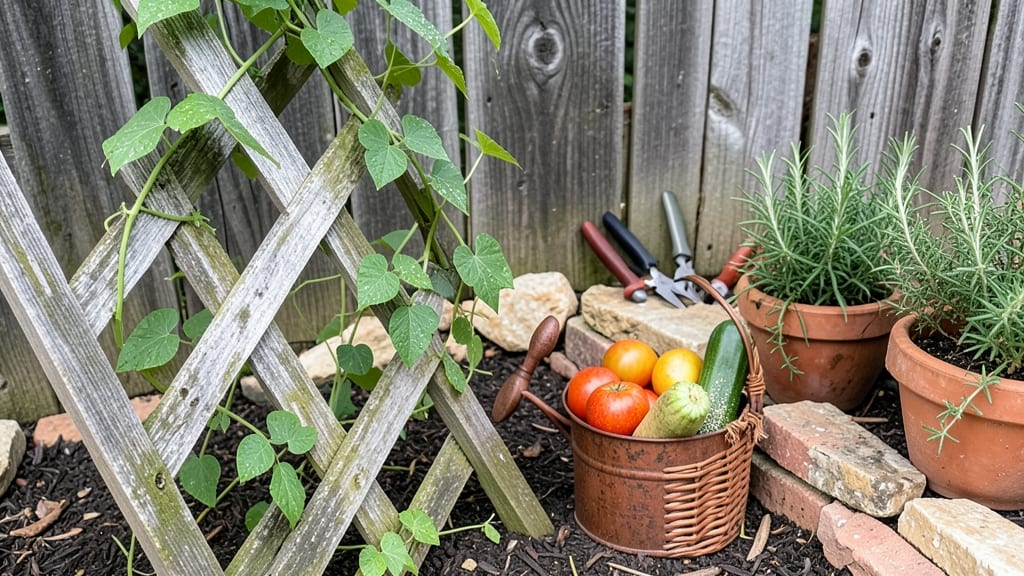
Creating grandma's garden pictures means blending vibrant blooms with edible plants, using soft natural light and vintage props to evoke warmth and authenticity. The key is focusing on textures—velvety petals, crisp herbs, and rustic containers—to craft scenes that feel both timeless and inviting.
Grandma's garden pictures thrive on that perfect mix of nostalgia and freshness. 🌸 The secret lies in balancing bold flowers with everyday edibles—think cherry tomatoes nestled among peonies or rosemary sprigs framing a sunflower. This combo creates visual interest while telling a story of a garden that's both beautiful and useful. I always shoot during the golden hour when light is softest, letting it highlight the natural colors without harsh shadows. Adding vintage elements like old wooden crates or lace tablecloths instantly transports viewers to a simpler time.
What makes these photos work isn't just the subjects but how they're arranged. 💛 Layering different heights—tall sunflowers behind low basil plants—creates depth, while contrasting textures (the rough bark of herbs against smooth petals) draw the eye.
The goal is to make every frame feel like a snapshot from a cherished memory, where the garden isn't just a place but a character in its own right.
💡 In This Article
- Photography Tips for Classic Garden Aesthetics
- Best Garden Subjects for Timeless Photos
Photography tips for Classic garden aesthetics
Golden hour—those magical 30 minutes before sunset—is the secret weapon for grandma's garden pictures. During this time, the sunlight takes on a warm, golden hue (around 5,000-6,000K color temperature), which softens shadows and enhances the natural colors of blooms and foliage.
This warm light creates a nostalgic glow that vintage photographs often capture. For example, a deep red rose photographed during golden hour will appear richer and more inviting than under harsh midday sun.
The depth of field technique is another essential tool. By using a wide aperture (like f/2.8 or f/4), you can blur the background while keeping your main subject—say, a cluster of lavender—crisp and sharp. This creates a dreamy, painterly effect that mimics how grandma's old photos looked.
For close-ups of herbs like thyme or rosemary, try a macro lens to highlight intricate textures, like the tiny hairs on basil leaves or the delicate veins in peony petals.
Composition plays a crucial role in evoking that timeless garden charm. Look for leading lines like garden paths, trellises, or even rows of tomato plants to guide the viewer's eye through your image.
Incorporating rustic props—such as a well-worn wooden crate, a vintage trowel, or a lace doily—adds layers of authenticity. These elements not only tell a story but also create visual interest by contrasting with the organic shapes of plants.
For instance, placing a terracotta pot with marigolds next to a cast-iron watering can instantly transports viewers to a bygone era.
Color palettes also matter significantly. Grandma's garden photos often feature earthy tones—think muted greens, warm browns, and soft pastels—paired with pops of vibrant color from flowers like sunflowers or hollyhocks.
To achieve this, shoot on an overcast day if golden hour isn't available; diffused light reduces contrast and enhances the softness of colors. Editing in post-production can further refine these tones, using tools like lightroom presets designed for vintage aesthetics to add a subtle film grain or warm tint.
Don't underestimate the power of seasonal layers. In spring, focus on fresh shoots and early blooms like daffodils; in summer, highlight lush foliage and ripe tomatoes; in autumn, capture the rich hues of chrysanthemums and pumpkins; and in winter, showcase evergreens and dried herbs.
Each season offers unique textures and colors that contribute to the timeless appeal of your garden pictures. For example, a winter shot of rosemary sprigs dusted with frost on a wooden cutting board can evoke a cozy, nostalgic atmosphere that feels distinctly seasonal.
Finally, consider the angle and perspective you choose. Shooting from a low angle can make flowers appear larger and more dramatic, while a slightly elevated view (like from a small stool) gives a broader context of the garden.
Experiment with framing your shots using natural elements—like arching branches or a rustic stone wall—to create a sense of depth and intimacy. These techniques work together to craft images that feel both personal and universally appealing, much like the gardens grandmas loved to tend.