
Lawn
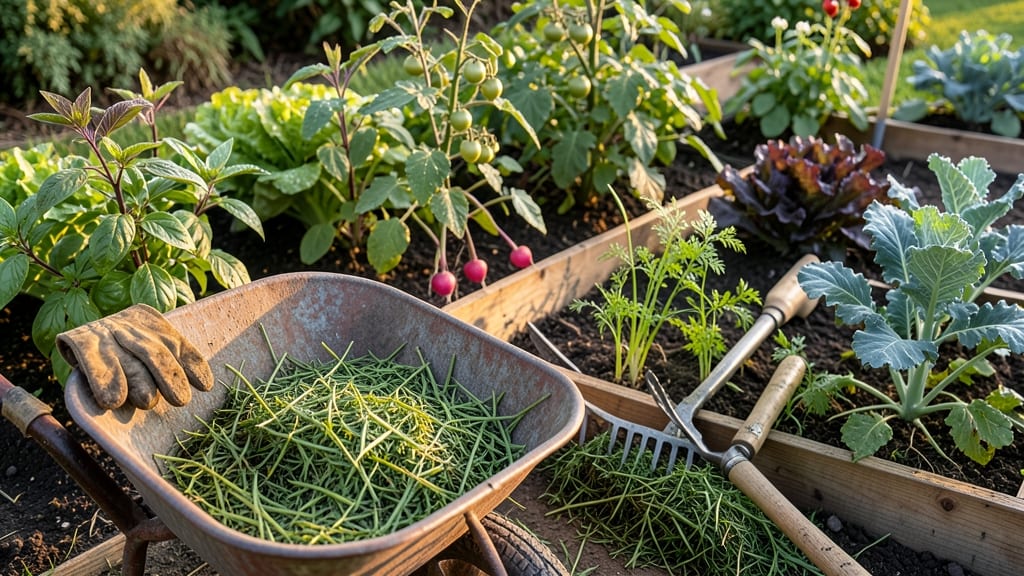
Using grass clippings in a vegetable garden can enrich soil with nitrogen while reducing waste, but they must be aged or composted first to prevent mold, weeds, or disease. Fresh clippings should never be applied directly to garden beds.
Grass clippings act like a natural fertilizer when properly prepared, thanks to their high nitrogen content that feeds soil microbes. 🌱 The key is letting them dry for 24-48 hours before using them as mulch or compost—this kills weed seeds and pathogens that could harm your veggies.
I've found this works especially well for nitrogen-loving plants like tomatoes and peppers, where the clippings can give them that extra growth boost without the risk of disease.
For best results, spread a thin layer (about ¼ inch thick) around plants after they've established, rather than piling them up. This mimics how grass clippings naturally decompose in lawns, providing slow-release nutrients while keeping moisture levels just right.
The composting process also creates beneficial fungi that help break down organic matter in your garden soil.
💡 In This Article
- Nutritional Benefits of Grass Clippings for Soil Health
- Step-by-Step Guide to Safely Using Grass Clippings in Gardens
Nutritional benefits of grass clippings for soil health
Grass clippings are essentially a free source of nitrogen, containing about 2-4% nitrogen by dry weight, which is comparable to commercial lawn fertilizers. When properly aged, these clippings break down into ammonium (NH₄⁺) and nitrate (NO₃⁻) forms that plants can readily absorb.
This nitrogen boost stimulates microbial activity in the soil, creating a thriving ecosystem of bacteria and fungi that help decompose organic matter and release additional nutrients like phosphorus and potassium.
The real magic happens when clippings decompose—they improve soil structure by adding organic matter that enhances water retention and aeration.
A ¼-inch layer of dried clippings can increase soil organic content by up to 10% over time, which is especially valuable for sandy soils that drain too quickly or clay soils that become compacted.
The fibrous texture also creates tiny air pockets, allowing roots to breathe better while holding moisture near plant bases.
What most gardeners don't realize is that the decomposition process generates heat—up to 140°F in a compost pile—which sterilizes weed seeds and pathogens.
This is why aged clippings (24-48 hours old) are safe for vegetable gardens, while fresh clippings can introduce crabgrass seeds or fungal spores that harm delicate plants like lettuce or radishes. The microbial activity also produces humic acids, which help bind nutrients and make them more available to plants.
For nitrogen-loving vegetables like tomatoes, peppers, and leafy greens, grass clippings provide a gentle, slow-release fertilizer that won't burn plants like synthetic nitrogen. Studies show that composted clippings can increase tomato yields by 15-20% compared to untreated soil, thanks to improved root development and nutrient uptake.
The key is balance—too much nitrogen can lead to lush foliage but fewer fruits, so always pair clippings with phosphorus-rich amendments like bone meal for flowering plants.
One often-overlooked benefit is the clippings' ability to suppress weeds by blocking sunlight from reaching weed seeds. A ½-inch layer of dried clippings can reduce weed growth by up to 80% while maintaining soil moisture.
This mulching effect is particularly valuable in summer when water conservation is critical. The clippings also create a protective barrier that prevents soil-borne diseases from splashing onto plant leaves during rain.
Consider this comparison: A typical lawn produces about 1 pound of clippings per 100 square feet per mowing. If you have a 500 sq ft lawn, that's roughly 5 pounds of potential fertilizer per mowing—enough to feed a small vegetable patch for weeks.
The environmental payoff is huge too, as using clippings eliminates the need for chemical fertilizers and reduces landfill waste from yard trimmings.