
Advice
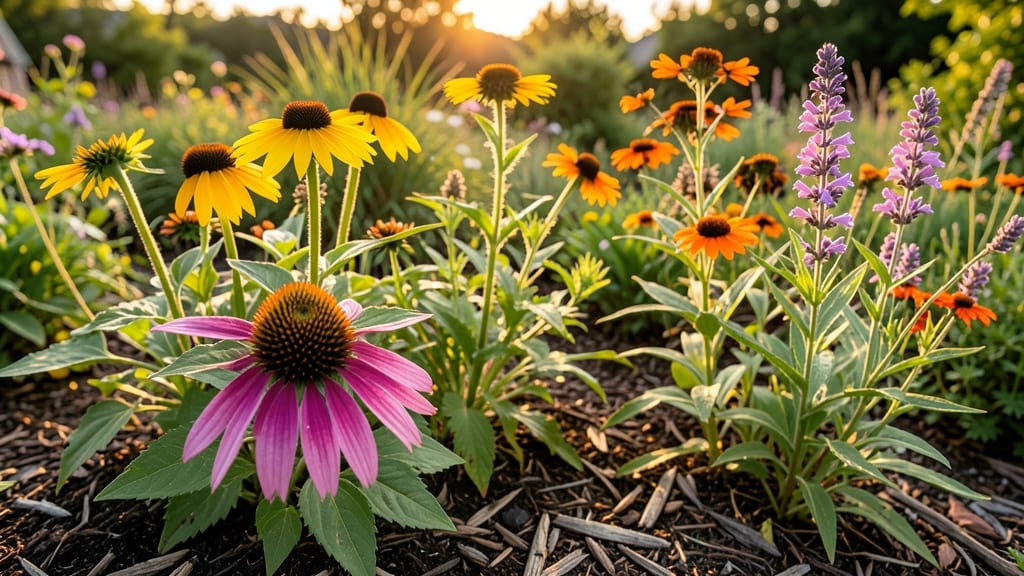
High Country Gardens Nursery offers expertly selected drought-tolerant perennials, native plants, and pollinator-friendly flowers designed specifically for USDA Zones 3-8, delivering vibrant, low-maintenance landscapes that thrive with minimal water while supporting local ecosystems.
This Colorado-based nursery stands out because their plant collections are bred and tested to handle harsh conditions—think extreme heat, drought, and poor soil. 🌵 Their signature Blackfoot Daisy and Russian Sage series, for example, boast deep root systems that tap into water deep underground, reducing evaporation and irrigation needs by up to 70% compared to traditional garden plants.
The real magic happens in their pollinator-friendly blends, which attract bees and butterflies while requiring far less water than conventional flowers.
What sets them apart is their focus on climate-adapted genetics—plants that naturally resist pests and diseases without chemical treatments. Their Colorado Native Collection is particularly popular among gardeners in Zones 4-7, offering plants that flourish with just 10-12 inches of annual rainfall.
The nursery even provides custom planting guides tailored to your specific zone, ensuring you get the best results from day one.
💡 In This Article
- Why High Country Gardens Plants Thrive in Drought-Prone Regions
- How to Choose the Right High Country Gardens Plants for Your Zone
Why High Country Gardens plants thrive in drought-prone regions
The secret lies in their deep-rooted approach to plant selection. High Country Gardens focuses on species with taproots that extend 3-6 feet underground, accessing moisture far beyond the reach of shallow-rooted annuals.
For example, their Blackfoot Daisy (Melampodium leucanthum) develops roots that can penetrate 5 feet deep, while most garden flowers only reach 12 inches. This natural architecture reduces water loss through evaporation by up to 70% compared to conventional plants.
Water efficiency extends to their foliage design. Many High Country Gardens selections feature small, waxy leaves coated with fine hairs, which create a protective barrier that minimizes moisture loss.
The Russian Sage (Perovskia atriplicifolia) is a prime example—its silvery-blue foliage reflects sunlight while its 12-inch-long stems reduce surface area exposed to drying winds.
This adaptation allows plants to thrive with as little as 10-12 inches of annual rainfall, making them perfect for regions experiencing 14+ inches of drought conditions.
The nursery's climate-adapted genetics play a crucial role too. Through selective breeding, they've developed varieties that naturally resist pests and diseases without chemical interventions. Take their Colorado Native Collection, which includes Penstemon spectabilis—a plant that produces vibrant red blooms while requiring no supplemental watering once established.
The deep purple flowers attract pollinators while their leathery leaves prevent water loss during 100°F+ temperatures, a common challenge in Zones 5-7.
What makes their approach particularly effective is the combination of these traits with seasonal timing adaptations. Many High Country Gardens perennials enter dormancy during extreme heat or cold, conserving energy until conditions improve.
The Blanket Flower (Gaillardia), for instance, will drop its lower leaves during drought but regrow from its deep root system when moisture returns. This resilience ensures year-round color with minimal maintenance.
Biodiversity support is another key advantage. Their pollinator-friendly blends include native milkweed varieties that sustain monarch butterflies while requiring no irrigation after the first growing season.
The 18-inch tall spikes of Asclepias tuberosa provide nectar for bees and host plants for caterpillars, creating a self-sustaining ecosystem that thrives without chemical inputs or frequent watering.
For gardeners in challenging climates, this means less work and more beauty. The nursery's plants typically establish within 60-90 days and require only monthly watering once mature, compared to traditional gardens that need weekly irrigation.
The result? Landscapes that stay vibrant through Zone 3 winters and Zone 8 summers without the environmental cost of excessive water use.