
Tools
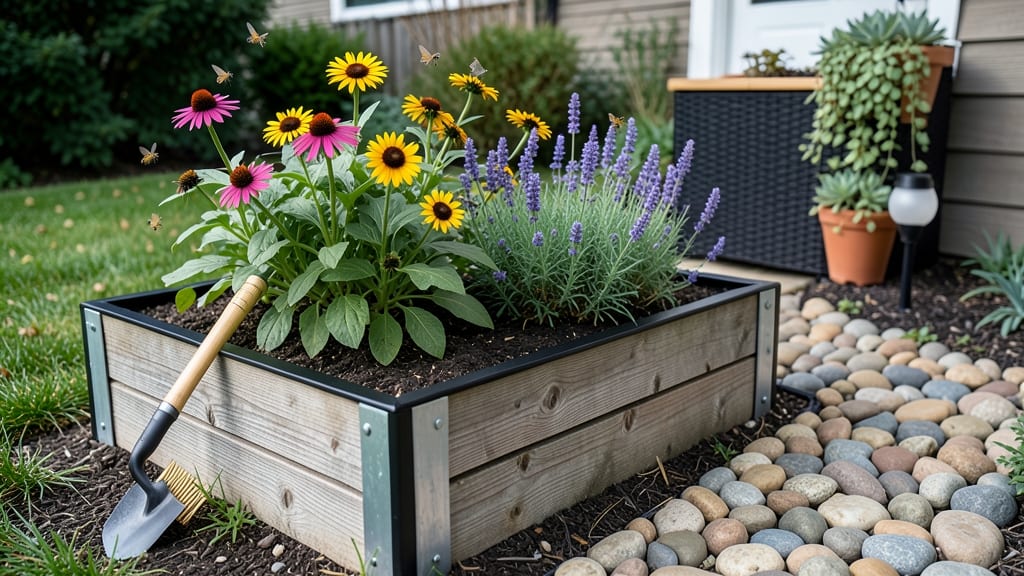
The top home and garden trends for 2024 are transforming outdoor spaces with biophilic design, vertical gardening solutions, and sustainable landscaping that prioritize drought-resistant plants. Smart home tech like AI-powered irrigation and indoor microgreen systems are also rising fast as eco-friendly upgrades.
This year's trends focus on creating spaces that feel alive and intentional. 🌿 Biophilic design isn't just about aesthetics—it's about reconnecting with nature by using native plants that support local ecosystems while cutting water use by up to 50%.
Vertical gardening has exploded in popularity because it turns tiny balconies into productive green spaces, perfect for growing herbs, veggies, or even small fruit trees. The best part? Many systems cost less than $100 to start and can be customized with recycled materials.
What's driving this shift? Homeowners are prioritizing sustainability without sacrificing style. Drought-resistant landscaping, for example, replaces thirsty lawns with hardy ground covers that thrive on rainfall alone. Meanwhile, smart irrigation systems—some controlled via phone apps—automatically adjust watering based on weather forecasts, saving both time and resources.
The result? Gardens that look stunning while working harder for the planet.
💡 In This Article
- Why Native Plants and Pollinator Gardens Are Dominating 2024
- How to Start a Low-Maintenance Vertical Garden at Home
Why native plants and pollinator gardens are dominating 2024
Native plants have become the cornerstone of modern landscaping because they're perfectly adapted to local climates, requiring up to 50% less water than non-native species. 🌱 These plants evolved alongside local wildlife, creating a symbiotic relationship that supports pollinators like bees and butterflies.
For example, the purple coneflower (Echinacea purpurea) thrives in USDA zones 3-9 with minimal irrigation once established, while attracting 20+ species of pollinators—a stark contrast to traditional lawns that offer zero ecological value.
The science behind their success lies in their deep root systems that improve soil structure and water retention. Studies from the Lady Bird Johnson Wildflower Center show native gardens can reduce runoff by 30% compared to conventional landscaping.
The key mechanism is mycorrhizal fungi in native soils, which form mutually beneficial relationships with plant roots, enhancing nutrient uptake. This natural ecosystem approach also creates microclimates that moderate temperature extremes, making spaces more comfortable during heatwaves.
What makes this trend particularly powerful is its dual benefit: ecological restoration and practical sustainability. A 100-square-foot pollinator garden can support thousands of native bees annually, while using 75% less water than a traditional lawn.
The visual impact is equally impressive—native perennials like black-eyed Susan (Rudbeckia hirta) and bee balm (Monarda spp.) provide vibrant seasonal color with minimal maintenance. 🌸 These plants often bloom for 6-8 weeks per season, offering continuous nectar sources compared to annuals that require yearly replanting.
For homeowners, the practical advantages extend beyond water savings. Native plants typically require no chemical fertilizers and fewer pesticides because they're already adapted to local pests. The National Wildlife Federation reports that gardens with native species see 90% fewer pest problems than those planted with non-native varieties.
This resilience makes them ideal for first-time gardeners or busy professionals who want beautiful, low-maintenance landscapes.
Consider the milkweed plant (Asclepias spp.), which is essential for monarch butterfly conservation. A single plant can support 200-300 caterpillars in a season while thriving in poor soil conditions. When planted in clusters, these gardens create pollinator highways that connect fragmented habitats.
The sensory experience is also unmatched—native gardens hum with the sounds of bees, the sight of fluttering wings, and the occasional fragrance of evening primrose blooming at dusk.
What most people don't realize is how these gardens contribute to climate resilience. Native plants often have thicker cuticles and deeper root systems that help prevent soil erosion during heavy rains.
In drought-prone areas like the Southwest, desert-adapted natives like yucca and agave can survive on less than 1 inch of rainfall per month once established. This adaptability makes them perfect for regions experiencing increased water restrictions.
To get started, focus on three key principles: plant diversity, layered planting, and seasonal succession. Begin with 3-5 native species that bloom at different times to ensure continuous food for pollinators.
For example, plant early spring bloomers like Virginia bluebells, summer favorites such as butterfly weed, and fall bloomers like goldenrod. The result is a garden that's always active with life, not just visually appealing.