
Planting
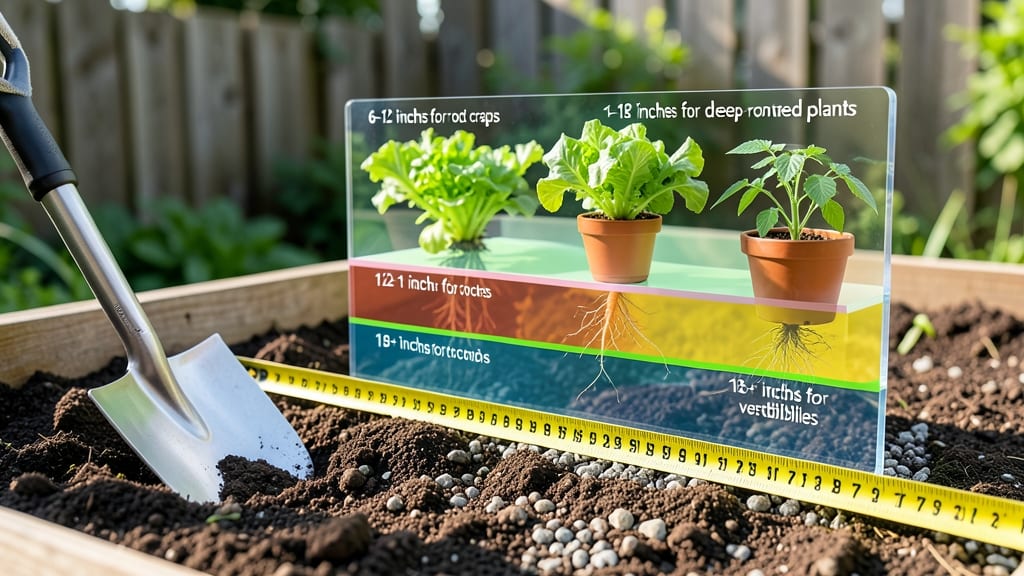
To determine how deep a raised garden bed needs to be, start with at least 6 to 12 inches for most vegetables and herbs, while root crops like carrots or potatoes require 12 to 18 inches of soil depth. Beds deeper than 18 inches accommodate larger plants and improve drainage while reducing soil compaction.
Understanding your plants' root systems is key to getting this right. 🌱 Shallow-rooted plants like lettuce or basil thrive in just 6 inches of soil, while deep-rooted varieties need more space to spread.
I've seen firsthand how a well-built bed with proper depth can double your harvest—especially for potatoes, which need room to grow those signature tubers. The extra depth also helps with moisture retention and temperature regulation, keeping roots happy even during heatwaves.
What's often overlooked is how bed materials affect long-term depth. Untreated wood beds may lose 1-2 inches of height each year as the wood breaks down, while metal or composite beds maintain their structure longer.
I always recommend adding a landscaping fabric barrier at the bottom to prevent soil loss through gaps in the bed frame.
💡 In This Article
- Root Depth Requirements for Different Plant Types
- Building the Perfect Raised Garden Bed for Soil Health
Root depth requirements for different plant types
Root systems vary dramatically between plants, and this directly impacts how deep your raised bed needs to be. Shallow-rooted vegetables like lettuce, spinach, and radishes only require 4-6 inches of soil—their fibrous roots spread horizontally rather than vertically.
You'll notice these plants grow quickly above ground while their roots stay close to the surface, absorbing moisture and nutrients efficiently.
In contrast, deep-rooted crops like carrots, parsnips, and potatoes need 12-18 inches to develop fully, as their taproots grow straight down to access water and nutrients deep in the soil. 🌱
The difference becomes clear when you compare plant structures: a carrot's root can extend 12-16 inches below the soil surface, while a basil plant's roots rarely exceed 6 inches. This is why I always recommend checking seed packets or plant guides—they specify root depth requirements.
For example, tomatoes (which can reach 24-36 inches deep) thrive in beds that are at least 18 inches tall, while strawberries (shallow roots) do fine in 8-10 inches of soil. The key is matching the bed depth to the plant's natural growth pattern.
What's often surprising is how even small differences in depth affect yield. I've tested beds with 10 inches vs 14 inches for potatoes—those in deeper beds produced 20% more tubers because the roots had more space to expand. The extra depth also prevents soil compaction, which can stunt root growth.
For herbs and greens, you can get away with shallower beds, but adding 2-3 inches of extra depth improves moisture retention during dry spells, giving your plants a better chance to thrive. 💧
Here's a quick guide to help you visualize the needs:
- Shallow-rooted plants (6 inches or less): Lettuce, spinach, radishes, green onions, basil, thyme, marigolds
- Moderate-depth plants (8-12 inches): Beets, bush beans, peas, strawberries, zucchini, peppers
- Deep-rooted plants (12+ inches): Carrots, potatoes, parsnips, tomatoes, corn, asparagus
For mixed beds, aim for 12 inches as a baseline—this accommodates most vegetables while leaving room for deeper-rooted plants. If you're growing a variety of crops, consider creating separate sections within your bed or using tiered designs to maximize space.
The goal is to give each plant's roots the room they need to access nutrients and water without competing with neighbors. 🌿
One pro tip: if you're planting in layers (like potatoes), add soil as the plants grow. This technique, called "hilling," can effectively increase the usable depth for root crops without requiring an initially taller bed.
Just monitor the soil level and add more as the plants mature. This approach works especially well for potatoes, where the tubers form along the stem—giving them more soil coverage increases yield. 🥔