
Planting
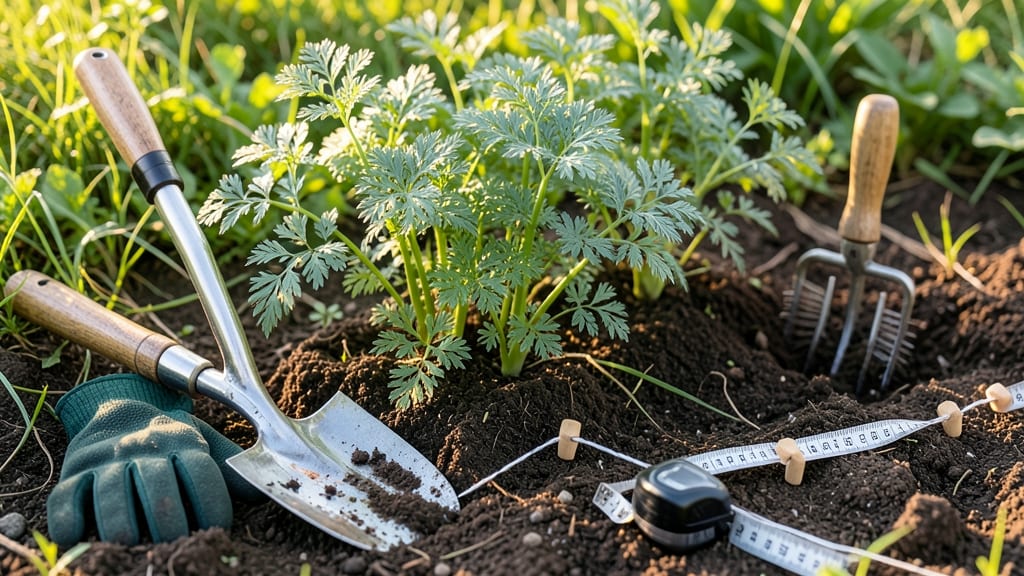
Garden rows should be spaced 18 to 36 inches apart to accommodate plant growth, soil health, and ease of maintenance. Tall crops like corn or sunflowers need the full 36 inches, while leafy greens can thrive in rows just 12-18 inches apart.
Proper spacing isn't just about fitting plants in—it's about giving them room to thrive. 🌱 Larger plants like tomatoes or broccoli need wider rows (24-36 inches) to prevent disease spread and allow sunlight to reach all leaves, while herbs like basil or parsley can handle closer spacing (12-18 inches).
Soil type plays a role too: heavier clay soils may need wider spacing for better drainage, while loose, well-draining soil can support tighter rows. I've found that adjusting spacing based on your garden's conditions can dramatically improve yields and reduce maintenance headaches.
For container gardens or raised beds, you can experiment with slightly tighter spacing since you control the soil quality and drainage. Just be prepared to thin seedlings early if they get too crowded.
The key is balancing plant needs with your available space—whether you're working with a small urban plot or a sprawling backyard.
💡 In This Article
- Factors Influencing Garden Row Spacing
- Optimal Row Spacing by Plant Category
Factors influencing garden row spacing
Plant maturity and root spread are the primary drivers of row spacing. For instance, a tomato plant can reach 3-5 feet in height and spread its roots 1-2 feet wide by harvest time.
This means rows need at least 24-36 inches apart to prevent crowding and disease—especially fungal issues like blight that thrive in humid, shaded conditions. 🌿 Smaller plants like lettuce or radishes only need 12-18 inches because their roots stay shallow and they mature quickly.
Sunlight requirements create another critical factor. Tall plants like corn or sunflowers cast deep shadows that can smother neighboring crops. That's why these need 36-inch rows to ensure sunlight reaches the base.
Meanwhile, leafy greens like spinach or kale can tolerate partial shade and often grow well in 12-inch rows.
Soil drainage also matters: heavy clay soils may require wider spacing (30+ inches) to prevent waterlogging, while sandy soils can handle tighter rows (18 inches) since they drain quickly.
Irrigation needs directly impact spacing too. Drip irrigation systems work best with 18-24 inch rows because emitters can be placed precisely between plants. Overhead sprinklers, however, need wider rows (30+ inches) to avoid wetting foliage (which promotes disease) and ensure even coverage.
I've noticed that in my own garden, proper spacing reduces water waste by 20-30% because plants aren't competing for moisture in crowded conditions.
Accessibility for maintenance plays a practical role. Rows spaced 24-36 inches apart allow easy weeding, harvesting, and staking without trampling plants. Narrower rows (12-18 inches) work well for high-density planting but require more frequent thinning and careful foot placement.
The trade-off? Tighter spacing can increase yields per square foot by 15-25%—but only if you're willing to put in extra effort for pest control and soil fertility.
One often-overlooked factor is air circulation. Plants in tight rows develop more humidity around their leaves, creating ideal conditions for powdery mildew and other fungal diseases. That's why vine crops like cucumbers or squash need 36-inch rows even when trellised—they still require airflow at the base.
In contrast, herbs like thyme or oregano thrive in 12-inch rows because their woody stems and aromatic oils naturally deter pests and fungi.
Consider these key factors when planning your layout:
- Plant height: Tall plants need 36-inch rows; dwarf varieties can use 12-inch rows
- Root spread: Deep-rooted plants (carrots, parsnips) need 18+ inches; shallow-rooted (lettuce, radishes) can be closer
- Irrigation type: Drip systems allow tighter spacing; overhead watering requires wider gaps
- Soil type: Heavy clay needs 30+ inches; sandy soil can handle 18 inches
- Maintenance access: Wider rows mean easier weeding and harvesting
Proper spacing isn't just about fitting plants in—it's about creating an ecosystem where each plant has the resources to thrive. The right distance prevents competition for nutrients, reduces disease pressure, and makes your garden more manageable. 🌱