
Landscaping
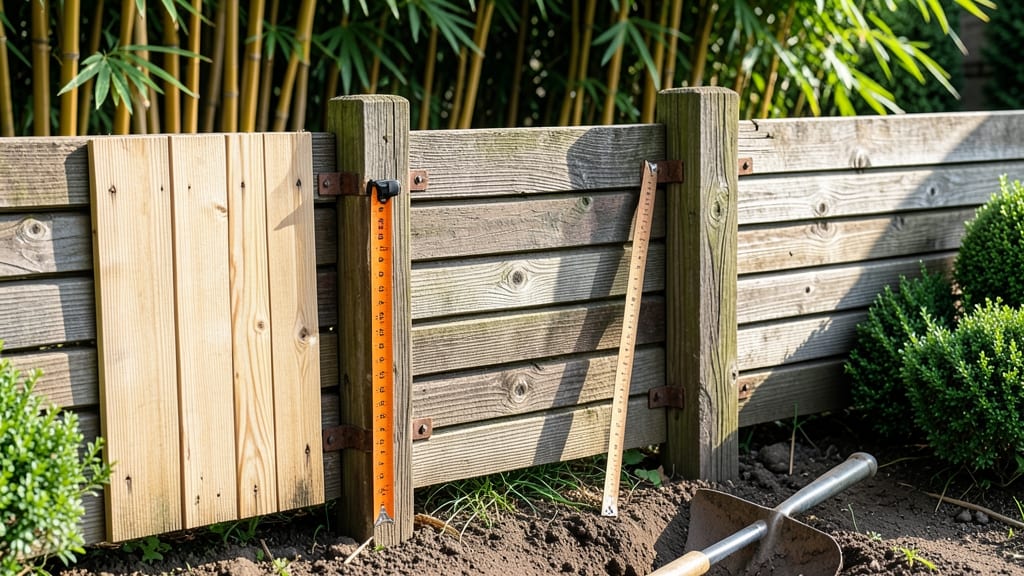
Determining how high a garden fence should be depends on your state's legal limits (usually 3 to 6 feet) and your specific needs like privacy or security. Always verify local zoning laws before installation, as height restrictions vary widely across regions.
Most homeowners aim for 4 to 6 feet when balancing privacy and aesthetics, though windy areas may require shorter, sturdier designs to prevent damage. 🌳 For example, California limits front-yard fences to 6 feet while some Texas counties allow up to 8 feet for privacy.
The material also matters—vinyl fences often max out at 6 feet, while metal or wood can reach 7-8 feet if permitted. I recommend measuring your property lines and checking with your local building department before purchasing materials.
Beyond legalities, consider your garden's purpose: taller fences block views but may obstruct sunlight, while shorter options let in more light but offer less seclusion. For wind-prone areas, a 5-foot fence with diagonal bracing often works better than a 6-foot one that sways dangerously.
Always factor in maintenance too—higher fences require more frequent cleaning and repairs.
💡 In This Article
- Legal Fence Height Limits by State: What You Need to Know
- Choosing the Right Fence Height for Privacy and Garden Protection
Legal fence height limits by state: what you need to know
State regulations on garden fence height can vary dramatically, often tied to frontage, side yards, and property lines. For instance, California enforces a strict 6-foot maximum for front-yard fences, while side and rear fences can reach 8 feet with proper setbacks.
Texas generally allows 6 feet for residential fences, but some counties permit 8 feet for privacy screens. 🏡 These rules exist to balance neighborly relations and sunlight access—taller fences in front yards can create shadows that violate local "light and air" ordinances.
Local ordinances often include exceptions for specific materials or purposes. For example, chain-link fences in many states are capped at 4-5 feet unless used for security (like dog enclosures), where 6 feet may be permitted.
Wood and vinyl fences typically follow the general 6-foot rule, but metal fences can sometimes exceed this due to their perceived permanence. Always check your county's building department website—they often publish interactive maps showing property line setbacks and height restrictions.
What most homeowners overlook is how property lines affect height. A 6-foot fence on your side of the boundary might encroach into your neighbor's space if not properly aligned. Some states require a 2-foot setback from property lines, meaning the fence can't start within 2 feet of the boundary line.
This is why it's critical to have a surveyor mark your property corners before installation—even a 1-foot error can turn a legal fence into a violation.
Wind exposure also influences legal height limits in coastal or open areas. States like Florida and Oregon often impose lower maximums (4-5 feet) for fences in hurricane-prone zones, as taller structures can become dangerous projectiles.
The physics here are simple: wind force increases with the square of the fence height, so a 6-foot fence in a 50 mph wind experiences 4x more force than a 3-foot fence. Always ask your local building inspector about wind load requirements if you're in an exposed area.
Some states allow "agricultural exemptions" for garden fences, letting farmers and homesteaders install taller structures for livestock containment. For example, 7-8 foot fences may be permitted if they're clearly marked as agricultural.
This is worth exploring if your garden doubles as a small farm—just be prepared to provide documentation proving its agricultural use. The key is to think beyond residential zoning and consider whether your fence serves a functional purpose beyond aesthetics.
Pro tip: Many municipalities offer free fence height guides on their websites. Look for terms like "land use code" or "fence ordinance" in your city's building department search.
For example, Los Angeles County's guidelines specify that front-yard fences cannot exceed 3 feet in height unless they're non-transparent (like solid wood), which then allows 6 feet. These nuances can save you thousands in fines or forced removals. Always verify before breaking ground!