
Fertilization
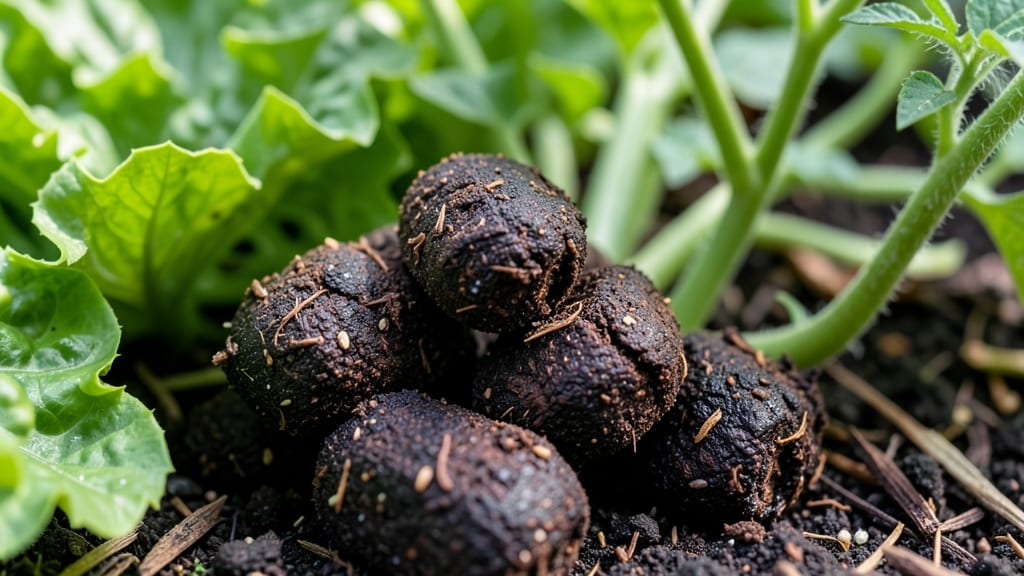
To determine how much rabbit manure to use in your garden, spread 1-2 inches of aged composted manure per square yard for general planting, or mix 1 part manure to 4-6 parts soil when planting directly. Always use aged manure to avoid burning plants with high ammonia levels.
Rabbit manure stands out because its balanced nitrogen-to-phosphorus-potassium (NPK) ratio (around 1-0-0.5) makes it ideal for gradual nutrient release, unlike chicken manure which can be too intense. 🐇 The key is aging—fresh manure can scorch roots, but after 3-6 months, it becomes a gentle powerhouse that improves soil structure while feeding microbes.
I've seen gardeners double their tomato yields just by working in 1-inch layers of aged rabbit manure in spring.
For vegetables like leafy greens, use the lighter 1-inch application rate, while heavy feeders like corn or squash can handle the full 2-inch layer. Flowers and perennials prefer the soil mix method (1:4 ratio) to prevent over-fertilization.
The secret? Timing—spring applications boost early growth, while fall additions enrich soil for next year's harvest.
💡 In This Article
- Why Rabbit Manure Composition Affects Plant Growth
- Plant-Specific Rabbit Manure Application Guide
Why rabbit manure composition affects plant growth
Rabbit manure's unique nutrient profile begins with its NPK ratio of approximately 1-0-0.5, which means it delivers more nitrogen (essential for leafy growth) while providing moderate phosphorus and potassium.
This balance makes it ideal for gradual nutrient release over 3-6 months, unlike chicken manure (3-2-2) that can overwhelm plants. The high organic matter content—around 20-30%—also improves soil structure by increasing water retention and aeration, creating an environment where beneficial microbes thrive.
The aging process transforms rabbit manure from a potential plant burn risk to a nutrient goldmine. Fresh manure contains high ammonia levels (up to 0.5%), which can scorch plant roots, but after 3-6 months of composting, these volatile compounds stabilize into plant-available forms.
The texture shifts from crumbly and dry to a dark, crumbly soil amendment with an earthy aroma—almost like rich humus. This transformation preserves the nutrients while making them safer for direct application.
What sets rabbit manure apart is its low salt content compared to other animal manures like horse or cow manure, which can accumulate salts that harm plants over time.
The moderate phosphorus content (0.5%) makes it particularly effective for root development in vegetables like carrots and beets, while the nitrogen supports vigorous top growth in leafy greens. The potassium, though lower, still contributes to overall plant resilience and disease resistance.
For comparison, chicken manure delivers three times more nitrogen but requires longer composting (6-12 months) to avoid burning plants, while cow manure has a higher phosphorus content (0.7%) but is bulkier and slower to break down.
Rabbit manure strikes a perfect balance for most gardeners—effective yet gentle, especially when aged properly. The key is patience: the longer you compost it, the more stable and beneficial it becomes for your plants.
When working rabbit manure into your soil, you'll notice an immediate improvement in texture—it lightens heavy clay soils while adding structure to sandy ones. The earthy smell becomes more pronounced as it decomposes, releasing nutrients in a slow, steady manner that plants can easily absorb.
This gradual release is what makes rabbit manure particularly valuable for container gardening, where nutrient levels drop quickly and frequent feeding is necessary.
One often-overlooked benefit is how rabbit manure supports beneficial soil microbes. The organic matter provides food for these microorganisms, which in turn help break down additional nutrients in the soil. This creates a self-sustaining ecosystem where plants have constant access to available nutrients.
The result? Healthier plants with stronger root systems and better disease resistance—all without the risk of over-fertilization that comes with more aggressive manures.
For best results, aim to incorporate rabbit manure into your garden beds 2-3 months before planting. This gives the microbes time to colonize and the nutrients time to stabilize, ensuring your plants get the full benefit when they need it most.
The transformation from fresh to aged manure is visible and tangible—what starts as a dry, crumbly material becomes a rich, dark amendment that improves both soil health and plant vitality. 🌱