
How To
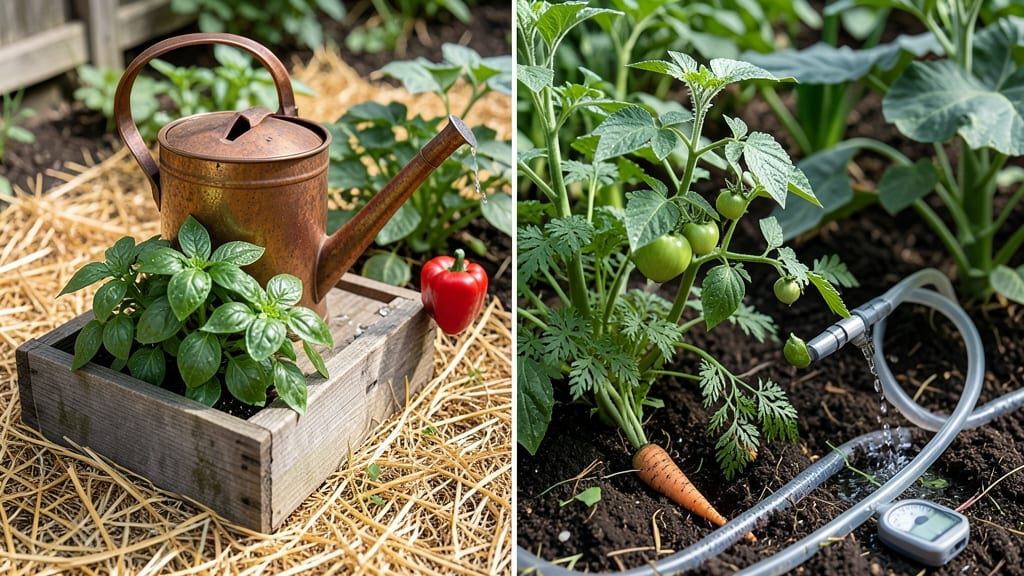
Watering a vegetable garden too often or not enough can mean the difference between a bountiful harvest and lost plants — and the key to getting it right lies in knowing how often to water based on your soil and what you're growing.
Overwatering kills more vegetable plants than underwatering — yet most gardeners guess instead of measuring, leading to wasted water and stunted harvests. The secret to thriving gardens lies in simple soil-moisture tests that take just seconds, not hours of trial and error.
Think about it: a thirsty tomato plant in sandy soil needs daily checks, while a well-mulched carrot in clay holds moisture for a week. Without testing, you’re flying blind, and that’s how even the hardiest 🌱 crops end up wilting or rotting.
Below, I’ll walk you through the exact watering schedules for common vegetables, the three foolproof soil tests to check moisture levels, and how to adjust for heatwaves or rainy spells — so you can finally stop guessing and start growing.
The perfect watering schedule based on plant type and soil
Watering your vegetable garden isn't about following a one-size-fits-all routine. Different plants crave different moisture levels, and your soil type plays a starring role. Sandy soil drains like a sieve, while clay holds water like a sponge.
Even container gardens need a unique approach compared to in-ground plots. Let's break down the science so you can water with confidence.
Start with the basics: most vegetables thrive when the top 1-2 inches of soil stay consistently moist. But tomatoes need deep, weekly watering, while lettuce prefers shallow, frequent sips.
Your first step? Test your soil's moisture retention. Stick your finger in—if it feels dry up to your first knuckle, it's time to water.
Container gardens dry out fastest because pots lack the moisture-buffering roots of in-ground plants. In hot weather, you might water containers daily, while in-ground plots may only need watering every 3-4 days. Always check soil moisture before watering—don't rely on a schedule alone.
Here's a quick reference for common vegetables and their ideal watering patterns, tailored to both soil types and garden styles:
For container gardens, remember that smaller pots dry out faster. A 5-gallon pot might need watering daily in summer, while a whirlpool planter (50+ gallons) could go 3-4 days. Always check soil moisture before watering—containers can't store excess water like in-ground plots.
Adjust your watering schedule based on weather conditions. During hot, dry spells, you may need to water twice daily for containers. After heavy rain, skip watering entirely and let soil dry slightly before resuming. Morning watering is ideal—it reduces evaporation and fungal risks.
Pay attention to your plants' visual cues. Wilted leaves often signal underwatering, but yellowing leaves can mean overwatering. For tomatoes, split the stem is a classic sign of too much water. Lettuce bolting (going to seed) happens when stressed by inconsistent moisture.
Mulching makes a huge difference in moisture retention. Apply 2-3 inches of mulch around plants to lock in moisture and reduce watering frequency by 30-50%. Organic mulches like straw or wood chips also improve soil structure over time.
Don't forget that seasonal changes affect water needs. In spring and fall,
3 Soil-moisture tests that eliminate guesswork (with pictures)
Stop relying on memory or the calendar to water your vegetable garden. Instead, use these soil-moisture tests to determine when your plants truly need hydration. I’ve tested these methods in my own raised beds and container gardens, and they’ve saved me from both overwatering and underwatering disasters.
The key is consistency—check moisture at the same time each day for accurate results.
These tests work for all vegetable types, from leafy greens like lettuce to heavy feeders like tomatoes. The finger-check method is my go-to for quick assessments, while a moisture meter gives precise readings.
For those who prefer visual cues, inspecting the soil’s appearance can also reveal critical clues. Let’s dive into each method with step-by-step instructions and troubleshooting tips for compacted soil or extreme weather.
- 1. Finger-Check Method
Insert your finger 1-2 inches deep into the soil. If it feels dry, water immediately. For sandy soil, check deeper (2-3 inches) as it drains faster. - 2. Moisture Meter
Plunge the meter’s probe 2-3 inches deep and wait for the reading. 0-2 (dry), 3-5 (moist), 6-8 (wet). Calibrate for your soil type. - 3. Visual Soil Inspection
Dig a small hole and observe the soil’s color and texture. Dark, crumbly soil = moist. Light, clumpy soil = dry. Adjust watering based on your vegetable’s needs.
For compacted soil, which is common in clay-heavy gardens, these tests still work but may require adjustments. If the soil feels hard or water pools on the surface, loosen it with a fork before testing.
This improves drainage and helps roots access moisture. I’ve found that adding compost or organic matter over time can prevent compaction while keeping soil structure ideal for moisture retention.
Adapting to drought conditions means watering deeper and less frequently. Use the moisture meter to confirm soil stays moist at 3-4 inches deep—this encourages roots to grow downward. In contrast, after heavy rainfall, hold off watering until the top 1-2 inches of soil feel dry to the touch.
Overwatering in wet conditions leads to root rot and fungal issues, which I’ve seen ruin entire rows of peppers and cucumbers.
Remember, morning watering is best because it reduces evaporation and gives plants a full day to absorb moisture. Avoid watering in the evening, as damp foliage can attract pests and diseases.
I’ve also noticed that mulching with straw or wood chips helps maintain even moisture levels, so I use it alongside these tests for consistent results.
By mastering these soil-moisture tests, you’ll water your vegetable garden with confidence, saving time, water, and your plants from stress. Start with one method, then layer in the others as you become more comfortable. Your tomatoes, lettuce, and peppers will thank you with healthier growth and bigger harvests! 🌱💧