
Size
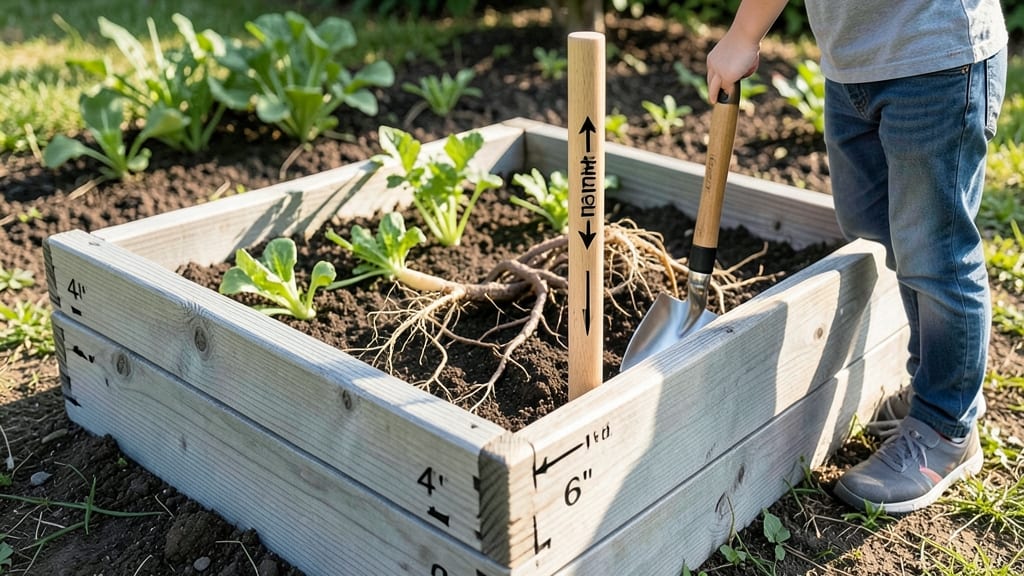
A raised garden bed needs to be at least 6 to 12 inches tall for shallow-rooted plants like herbs and lettuce, while deep-rooted crops such as tomatoes or carrots require 12 to 18 inches. Opt for 12 inches minimum for accessibility and drainage, balancing root depth with ease of planting and maintenance.
A raised garden bed's height directly impacts what you can grow and how easily you can tend to it. 🌱 For instance, shallow-rooted plants like strawberries or green onions thrive in beds just 6 inches deep, while deep-rooted vegetables such as asparagus or potatoes need 18 inches or more.
I've found that 12 inches strikes the best balance—it accommodates most common crops while keeping the bed manageable for planting, weeding, and harvesting. This height also improves drainage, preventing soggy soil that can lead to root rot or fungal issues.
Beyond plant needs, height affects your comfort too. A bed that's too low forces you to bend over constantly, which can be tough on your back. 💫 Aiming for 12 inches or higher lets you work from a standing position, reducing strain.
Plus, taller beds warm up faster in spring, giving you a longer growing season. If space is limited, consider stacking beds or using vertical planters to maximize your garden's productivity without sacrificing accessibility.
💡 In This Article
- Root Depth Requirements for Different Plants
- Accessibility and Construction Tips for Raised Beds
Root depth requirements for different plants
Root systems vary dramatically between plant types, and this directly determines how deep your raised bed needs to be.
For example, leafy greens like lettuce or spinach have shallow roots that only extend 6-8 inches deep, making them perfect for beds just 6-12 inches tall. 🌱 The key here is that these plants focus their energy on rapid leaf production rather than deep root growth, so they don't need much vertical space.
In contrast, carrots or parsnips develop taproots that can reach 12-18 inches or more—if you try growing them in a 6-inch bed, their roots will become stunted or forked, ruining the harvest.
The science behind this involves how plants access nutrients and water.
Shallow-rooted plants like herbs (basil, thyme) or strawberries rely on a dense network of fine roots near the surface to absorb moisture and nutrients quickly. 💧 Their beds can be as low as 6 inches because they don't need to penetrate deep soil layers.
Deep-rooted plants, however, require more space to establish strong structural roots that anchor them and access water from deeper soil layers.
For instance, tomatoes need at least 12 inches of depth to support their heavy foliage and fruit production, while asparagus can require up to 18 inches for its perennial crowns to thrive.
What most gardeners overlook is how soil compaction affects root growth. In raised beds, the soil is naturally looser than ground soil, allowing roots to spread more easily. 🌿 This means you can often get away with slightly shallower beds than you would in in-ground planting.
For example, radishes, which typically need 8-10 inches of depth, can sometimes grow well in a 10-inch bed because the aerated soil helps their roots expand sideways.
However, for deep-rooted perennials like rhubarb, you'll still want to aim for the full 18-inch depth to prevent root binding and ensure long-term productivity.
Another critical factor is how plants compete for resources.
In a shallow bed, deep-rooted plants will outcompete shallow-rooted ones for water and nutrients, stunting the growth of herbs or greens. 🌿 This is why many gardeners create separate beds for different plant types—a 6-inch bed for herbs and a 12-inch bed for tomatoesg, for example.
The depth difference ensures each plant gets the root space it needs without unnecessary competition. This stratification also makes it easier to rotate crops seasonally, maintaining soil health and reducing pest cycles.
For flowering plants, the story is slightly different. Most annual flowers like marigolds or zinnias have shallow roots and thrive in 6-12 inches of soil. 🌺 However, perennials like peonies or daylilies develop deep, woody roots that need 12-18 inches of depth to establish properly.
If you're designing a bed for mixed planting, prioritize the deepest-rooted plants in your selection to determine the minimum height.
For instance, if you're growing a combination of strawberries (6 inches), bush beans (10 inches), and roses (18 inches), your bed should be at least 18 inches tall to accommodate all three successfully.
One practical tip I've learned is to use a soil depth gauge (a simple ruler or dowel) when planning your beds. 📏 Push it into the soil after planting to check if roots have enough room to grow.
If you notice roots circling at the bottom of the bed or becoming compacted, it's a sign the bed isn't tall enough for that plant. This simple check can save you from disappointment later in the growing season.